In a nutshell
- 🌙 Lavender’s key compound linalool signals the brain to shift into a parasympathetic state, easing anxiety, lowering heart rate, and priming you for sleep.
- 🧠 The olfactory pathway routes scent directly to the amygdala and hypothalamus, dampening vigilance and reinforcing a “safe to rest” message.
- 🛠️ Best practice: 15–30 minutes of light lavender exposure via diffuser or pillow spray, paired with a fixed wind-down routine—consistency beats intensity.
- 🛡️ Safety and personalization: dilute oils, avoid direct skin/eye contact, consider asthma, pregnancy, or scent sensitivities; track time-to-sleep and perceived calm to gauge results.
- 🌿 Beyond lavender: cedarwood (cedrol), roman chamomile, and bergamot may help, but the most effective scent is the one your brain reliably associates with bedtime.
Night routines are noisy. Blue-lit screens, big thoughts, late emails. Neuroscientists say there is a quieter switch, a sensory signal that taps ancient wiring rather than willpower. The scent is lavender, specifically its signature compound linalool, long used in folk medicine and now examined in labs tracking heart rate variability, cortisol, and brain-wave changes. It’s the smell many researchers point to when you want your brain to recognize that it’s time to wind down. Is it magic? No. It’s conditioning plus biology. Breathe in a familiar, calming aroma at the same time every night, and the nervous system learns the cue faster than your to-do list can object.
How Lavender Signals the Brain to Power Down
Scientists studying linalool have observed that inhaling lavender’s volatile compounds can dampen arousal circuits and tilt the body toward a parasympathetic state. In both animal models and small human trials, lavender has been linked to reduced anxiety scores, modest heart rate drops, and improved self-reported sleep quality. The leading hypothesis: odor molecules activate receptors in the nose, which relay to the olfactory bulb and into limbic hubs tied to emotion and memory. Those signals can nudge the amygdala, hypothalamus, and brainstem toward low-alert mode. In plain English: the scent tells your threat-detector that it can stand down.
Crucially, lavender appears to work as a sensory cue as much as a chemical sedative. That means consistency matters. Pair the same scent with the same pre-sleep steps—dimming lights, light stretching, closing tabs—and the brain binds them. Over days, this association grows faster and more reliable. Think Pavlov, but with pillows. You’re teaching your nervous system what bedtime smells like. The dose needn’t be heavy; in fact, lighter, steady exposure often performs better than over-saturation, which can irritate or distract.
Lavender will not knock you out on command, and it should not replace care for chronic insomnia, pain, or mood disorders. But used as a nightly cue, the evidence suggests it can reduce pre-sleep hyperarousal—the mental engine that idles high when you need quiet—and help shorten the runway to rest.
The Olfactory Pathway: From Scent to Sleep
Unlike sight and hearing, smell has a shortcut to emotion. Odor signals bypass typical thalamic relay and route directly from the nose to the olfactory bulb, then on to the amygdala and hippocampus—regions that assign meaning and memory. That direct line is why scents feel immediate, visceral. With calming aromas like lavender, this pathway can dial down sympathetic drive, soften vigilance, and help synchronize pre-sleep routines with circadian drift. In practice, a few steady minutes of inhalation can change how ready you feel to stop scrolling and start resting.
Here’s a simplified map of what’s happening when lavender becomes your nightly “off switch.” The biology is complex; the goal is simple: reduce threat signaling, increase safety signals, and invite slower breathing and quieter thoughts.
| Pathway Node | What It Does | Likely Response to Lavender |
|---|---|---|
| Olfactory Bulb | Decodes odor patterns | Flags “safe/familiar” input, lowers novelty alarm |
| Amygdala | Assesses salience and threat | Shift toward safety appraisal; reduced vigilance |
| Hypothalamus | Coordinates hormones and autonomic tone | Leans parasympathetic; supports cortisol decline |
| Brainstem/ANS | Controls heart rate, respiration | Slightly slower pulse, deeper breaths, calm bias |
Memory glues this all together. When your brain repeatedly associates lavender with lights-out, that scent becomes a shorthand: a minimal signal that retrieves a larger routine. The result is not a sedative punch but a reliable nudge, the difference between tossing and easing into the first quiet minutes of night.
How to Use the Rest Cue in Real Life
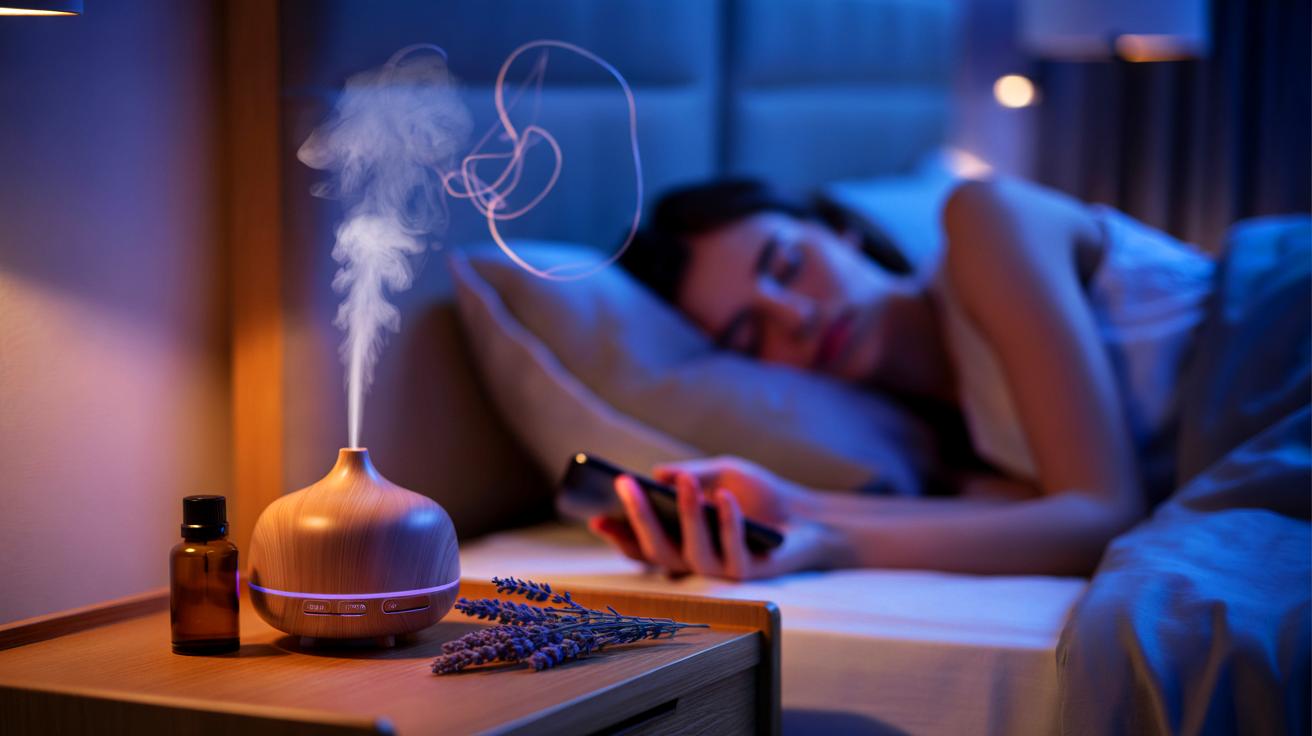
Start low and keep it consistent. Aim for 15–30 minutes of gentle exposure to lavender before bed. Two to four drops in a water diffuser, a light pillow spray, or a dab of diluted oil on a tissue tucked near the headboard can suffice. You want whisper, not wall-of-scent. Pair the aroma with the same sequence—dim lights, put phone face down, breathe slowly for one minute, then read or journal. After a week, your brain treats the scent as shorthand for “we’re done here.”
Traveling? Pack a small cotton pad with a drop of linalool-rich lavender in a sealed bag and reopen it at the hotel to re-create your cue. Sensitive skin or pets at home? Favor room diffusion over topical use, crack a window, and keep the intensity mild. Never apply undiluted essential oils directly to skin; patch-test diluted blends and avoid contact with eyes and mucosa. People who are pregnant, have asthma, or are scent-sensitive should consult a clinician and consider non-aromatic wind-down cues like breathwork or white noise.
The metric that matters is arousal, not aroma. Track simple signals: time-to-sleep, perceived calm, and wake-after-sleep onset. If lavender feels too floral, consider a neutral carrier with a drop of lavender plus a familiar bedtime activity so the association remains. Consistency beats intensity, and routine beats novelty, when the goal is rest.
Beyond Lavender: Sorting Hype From Evidence
Lavender leads because of its linalool content and the sheer volume of studies behind it. But it is not the only scent with calming data. Cedarwood (notably the component cedrol) has shown sedative tendencies in small trials; roman chamomile carries a gentle, soothing profile; bergamot can reduce pre-sleep tension for some. The catch: findings vary by formulation, dose, and delivery method, and personal history with a scent—good memories or bad—can overshadow chemistry.
Think of alternatives as candidates for your cue, not guaranteed sleep switches. If lavender isn’t your style, test contenders for a week each, same schedule, same steps, low intensity. Keep notes on relaxation and sleep onset. The “best” aroma is the one your brain tags as safe and sleepy. What matters is reliable association, not trendiness or price.
| Scent | Key Compound | Research Snapshot | Best Use |
|---|---|---|---|
| Lavender | Linalool | Strongest support for calming, pre-sleep readiness | Nightly cue, low-dose diffusion |
| Cedarwood | Cedrol | Sedative signals in small studies | Complement to lavender or solo |
| Roman Chamomile | Esters, apigenin-related components | Gentle relaxant profile | Tea plus light aroma pairing |
| Bergamot | Linalyl acetate | May ease tension; citrus-sensitive users beware | Early-evening unwind |
Bottom line: the scent neuroscientists single out as a sleep cue is lavender, but personal fit and habit design decide whether it works for you. Build the association, keep it gentle, and give it time.
Lavender’s power isn’t mystical; it’s neural. A familiar, soothing odor streams through the olfactory fast lane, quiets vigilance, and marks the transition from doing to being. Low-cost, low-tech, and surprisingly effective—especially when tied to the same tiny rituals night after night. If you’re chasing calmer evenings, consider training your brain with a consistent lavender cue and watch how the ritual starts working before you even hit the pillow. What will your next seven nights look like if you give your nose the final say?
Did you like it?4.5/5 (26)