In a nutshell
- 🐶 The head tilt helps dogs localize sound and see our faces better by adjusting pinnae position and refining interaural time differences—usually a sign of focused engagement.
- 🧠 It’s also a social cue: dogs use the tilt to read human emotions and seek interaction; owners often reinforce it—so read the whole-body language to distinguish curiosity from stress.
- ⚠️ Watch for red flags: persistent one-sided tilt, ear odor/discharge, nystagmus, stumbling, vomiting—possible ear infection, vestibular disease, or pain—seek veterinary care promptly.
- 🧰 For training, use clear cue words with visible gestures in quiet spaces, keep sessions short, track patterns, and video unusual tilts to help your veterinarian diagnose faster.
- 🩺 Practice ear care: gently dry after baths, use vet-recommended cleaners, avoid deep swabbing, and get an exam if tilting lasts 24–48 hours or appears with balance or eye-movement changes.
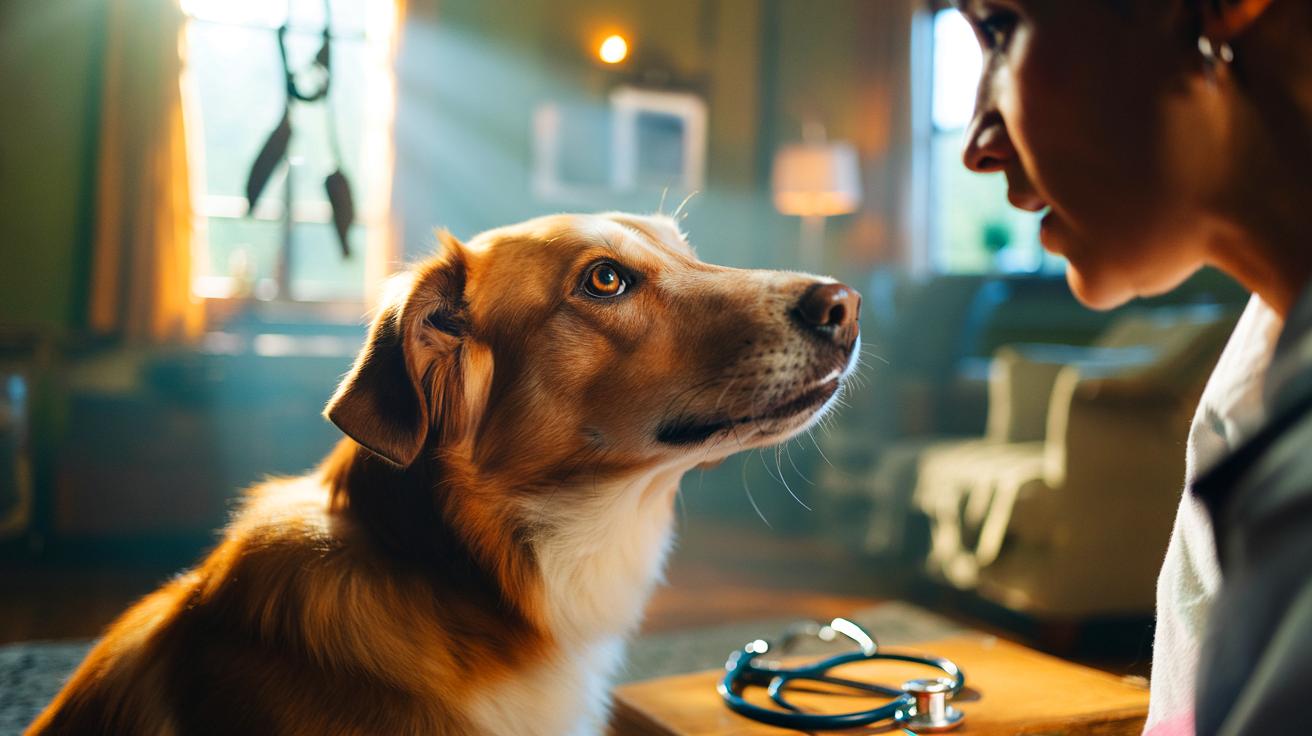
Your dog pauses, cocks its head, and locks eyes with you. It’s charming. It’s meme-worthy. But veterinarians say the head tilt is more than cute. It’s a blend of physics, attention, and sometimes a medical clue. Dogs use this posture to focus on sound, decode our faces, and filter meaning from noise. In noisy rooms or amid novel words, that tilt can sharpen perception. Most of the time, it signals engagement, not confusion. Still, experts warn that persistent tilting can hint at ear trouble or balance disorders. Knowing the difference can help you respond in ways that reward curiosity—and protect health.
How Dogs Hear the World: The Physics Behind the Tilt
Dogs don’t hear like we do. Their pinnae—the outer ear flaps—swivel to capture high-frequency sounds and subtle rustles we miss. Yet sound localization is hard when noise echoes off walls or arrives from odd angles. The classic head tilt becomes a tool. By changing the position of the head, a dog adjusts the distance between ears, refining the tiny interaural time differences that the brain uses to triangulate a sound. Tilting narrows the search field, helping a dog pinpoint whether that squeak is the toy box, the hallway, or the front door.
Veterinary neurologists note another player: the vestibular system, a balance network in the inner ear. Subtle shifts in head position recalibrate spatial awareness and stabilize vision, making it easier to parse moving stimuli or a human mouth forming words. Dogs with longer muzzles may tilt more because their snouts obscure parts of our faces; an angled view clears the line of sight to eyes and lips. In short, the tilt isn’t random. It’s a smart, low-energy way to optimize sensory input in complicated environments.
Watch when the tilt appears. A new phrase. An odd beep. Your whisper. Short, sharp sounds trigger it quickly, while sustained speech may lead to multiple micro-tilts as your dog updates its mental map. That choreography looks cute, but it’s really advanced signal processing in fur.
Emotional Intelligence and Communication Cues
The head tilt isn’t only about hearing; it’s about you. Studies on canine cognition suggest dogs excel at reading human social cues, and the tilt often coincides with attentive behaviors: soft eyes, forward ears, relaxed jaw. In this context, the posture can function like a question mark—“I’m listening; tell me more.” Many owners inadvertently reinforce it by smiling, praising, or handing out treats when the tilt appears. Over time, some dogs deploy it strategically to prolong interaction. To a social species tuned to our voices, the tilt is a bridge, not a gimmick.
Veterinarians describe the tilt as part of a larger cluster of engagement signals: head cock, weight forward, tail at mid-height, tiny paw lifts. It often occurs when dogs encounter emotionally charged words—“walk,” “park,” “grandma”—or novel objects you’re trying to name. Because dogs bind sounds to contexts, the tilt can mark the moment of mental sorting, a search for meaning among familiar patterns. Sensitive dogs may use it to gauge your mood, scanning micro-expressions to decide whether excited energy or calm patience is the right response.
It’s worth noting differences by individual. Confident, curious dogs tilt at newness; anxious dogs may tilt while also showing stress signals like lip licking, whale eye, or yawning. Read the whole body, not just the angle of the skull. That holistic view helps you reward curiosity while recognizing when reassurance—or space—is the better choice.
Medical Red Flags You Shouldn’t Ignore
Sometimes the tilt is not communication—it’s a symptom. A persistent or sudden one-sided tilt can point to otitis externa or media (ear infections), vestibular disease, or even pain in the neck or jaw. Red flags include head shaking, foul ear odor, discharge, loss of balance, nystagmus (rapid eye flicking), circling, or vomiting. If the tilt is paired with stumbling or eye movement, treat it as urgent and call your veterinarian. Senior dogs may experience idiopathic vestibular episodes that improve over days, yet they still require professional evaluation to rule out infection, inflammation, or stroke-like events.
Puppies tilt too—but frequent scratching, crying when the ear is touched, or refusal to chew on one side suggests discomfort, not curiosity. Allergies can inflame ear canals; water after baths or swims can trap moisture and feed yeast or bacteria. Don’t self-diagnose with cotton swabs or over-the-counter drops without guidance. Improper cleaning can push debris deeper and worsen the problem. A veterinarian can examine the canal, check the eardrum, and prescribe targeted treatment based on cytology.
| Sign | What It May Mean | First Step |
|---|---|---|
| Sudden, persistent tilt + stumbling | Vestibular dysfunction | Seek same-day veterinary care |
| Tilt + ear odor/discharge | Ear infection or foreign body | Schedule exam; avoid home swabbing |
| Intermittent tilt during play | Normal attention/engagement | Reward calmly; monitor changes |
| Tilting + jaw discomfort | Dental or TMJ pain | Oral exam with vet or dentist |
Training, Enrichment, and When to See the Vet
You can channel the adorable tilt into healthy learning. Use clear, consistent cue words and pair them with gestures your dog can see without craning. Work in quiet rooms to reduce auditory clutter. Mark attentive moments with a click or short “yes,” then reward. Keep sessions brisk—60 to 90 seconds for puppies, a few minutes for adults. Scatter training throughout the day. New textures, mild novelty, and scent games engage the brain and make tilting a byproduct of curiosity, not confusion. Clarity reduces strain; variety feeds focus.
As you train, log patterns. Note when tilts appear, which sounds trigger them, and whether they cluster with stress signals. A simple journal helps you spot gradual shifts that might indicate emerging ear issues or age-related vestibular changes. Grooming routines matter too: dry ears gently after baths, and ask your vet which ear-cleaning solution suits your dog’s skin and history. Avoid harsh products or deep insertion. For breeds with heavy ears or lots of hair, schedule regular checks to catch problems early.
Know the thresholds. Persistent tilt beyond 24–48 hours, any imbalance, or new eye movements warrants a veterinary exam. If a tilt resolves quickly in benign settings—your squeaky voice, a new word—it’s likely normal attention. When in doubt, video the behavior and share it with your clinician. That clip can cut diagnostic time and guide next steps, turning a mystery into a plan.
Head tilting lives at the crossroads of science and sentiment. It’s a precision tool for hearing, a social signal for bonding, and—occasionally—a flare for help. By observing context, reading whole-body language, and keeping basic ear care on your radar, you can protect health while nurturing connection. The next time your dog cocks its head, smile, speak clearly, and make the moment count. Curiosity is the engine of learning in dogs, just as it is in us. What patterns have you noticed about when, where, and why your dog tilts its head—and what might those moments be telling you?
Did you like it?4.4/5 (21)