In a nutshell
- 🐾 Spot subtle boredom cues—shadowing, window-staring, pacing, aimless licking—and address unmet foraging instincts before labeling it “bad behavior.”
- 🚩 Take red flags seriously: destruction, over-grooming, spinning, night zoomies; rule out pain with a vet, then add targeted enrichment to lower stress.
- 🕵️ Try the 10-minute sniff-and-seek: 1 min pick treats, 2 min set easy hides, 4 min “find it” search, 3 min harder reset—end on success and supervise for safety.
- 🔁 Build the habit: two short daily sessions; rotate scent work, puzzle feeders, and shreddable cardboard; scale for age/drive and track how long the post-game calm lasts.
- 📊 Use quick checks: shredding = need oral outlet; pacing/spinning = no task focus; night zoomies = daytime boredom—answer with structured scent work and consistent routines.
Your dog stares into the middle distance. Your cat claws the sofa you swore was “scratch-proof.” These aren’t spiteful acts; they’re messages. Pets crave challenges, novelty, and a job to do. When those needs go unmet, boredom sets in—and behavior goes sideways. The good news: relief doesn’t require an hour-long hike or a pricey gadget. A focused, ten-minute game can reset mood, burn mental energy, and rebuild calm. Think scent, search, reward. Think simple, repeatable, fun. Boredom is not misbehavior; it’s an unmet need you can meet today. Here’s how to read the quiet clues, spot the red flags, and run a fast, reliable boredom fix that fits even the busiest weekday.
Quiet Clues: Subtle Signs Your Pet Is Bored
Boredom isn’t always loud. Sometimes it whispers. Your dog may shadow you from room to room, sighing, sleeping hard, then jolting into frantic bursts. Your cat might sit at the window for long stretches, chirping at birds, then pounce your ankles when you pass. Small animals pace their enclosures, nibble cage bars, or stash and un-stash the same toy. These are quiet tells—signals of pent-up energy and unused foraging instincts.
Watch for “busy” behavior with no purpose: repetitive licking, toy shuffling, or aimless wandering. Notice appetite changes—snacking without enthusiasm or over-gobbling, followed by restlessness. Social changes count too. Affection spikes that flip to irritation. Play invitations that vanish as quickly as they appear. When normal routines feel slightly off, consider unmet mental work before assuming “bad attitude.” The core issue is often simple: there’s no puzzle to solve, no scent trail to chase, no safe outlet for natural drives. Give the brain a job and the body follows.
Red Flags You Shouldn’t Ignore
Some signals are louder. Shredded cushions, door scratching, tipping the water bowl on purpose. Cats may over-groom, leaving thin patches; dogs may spin or tail-chase; rabbits might thump repeatedly. These can look like defiance, but they’re usually stress relief born of under-stimulation. If you see a sudden spike in destruction or repetitive behaviors, first rule out medical causes—pain often masquerades as “acting out.” Then upgrade enrichment with structured, short sessions that tire the mind safely.
| Sign | Likely Meaning | Quick Check |
|---|---|---|
| Shredding/chewing objects | Seeking oral outlet, stress release | Offer chew-safe items; rotate textures |
| Pacing/spinning | Excess arousal, no task focus | Short sniff game; reduce chaos |
| Night zoomies | Daytime boredom, energy dump | Evening scent work before bed |
| Over-grooming | Self-soothing habit | Vet check; add puzzle feeding |
If destruction escalates fast or a pet injures themselves, call your veterinarian or a certified behavior professional. Otherwise, view these red flags as a clear assignment: add brain work. The fix can be surprisingly small but consistent—ten minutes of focused novelty can outmatch a long, unfocused walk.
The 10-Minute Game: Sniff-and-Seek Reset
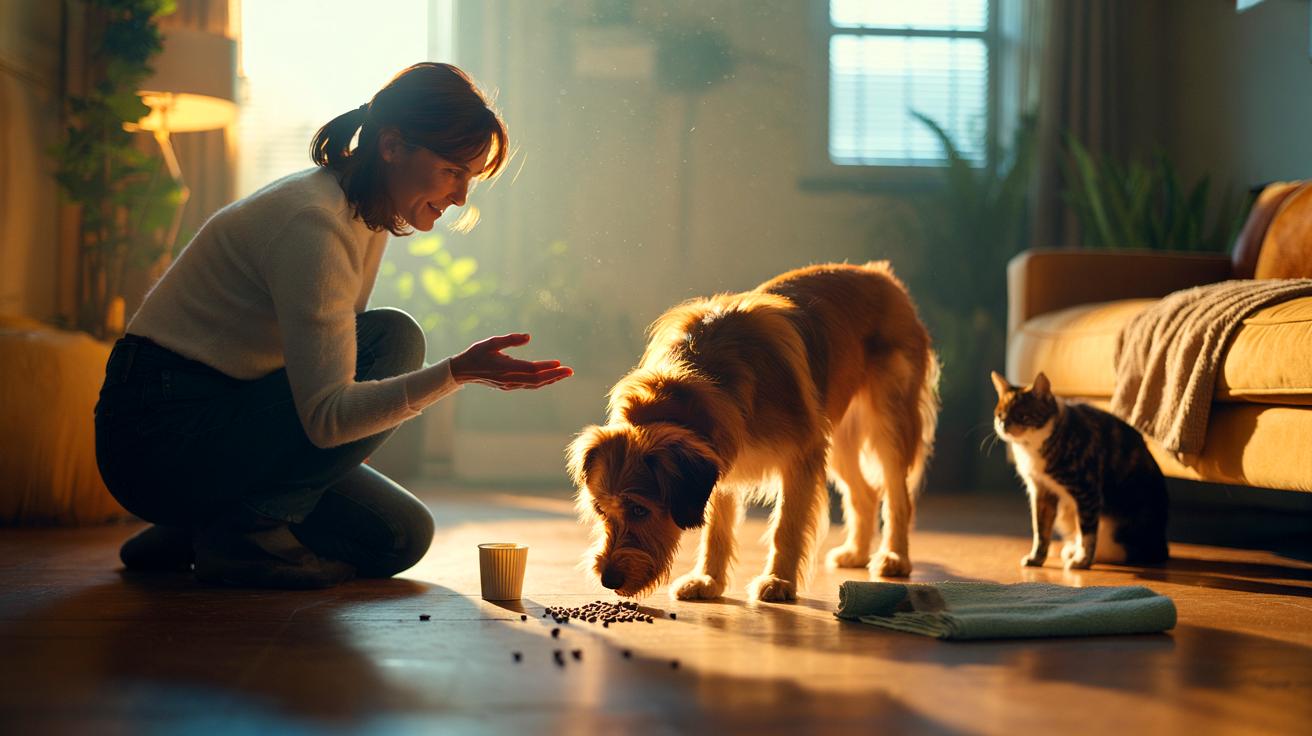
This fast routine harnesses a universal skill: scent work. It builds confidence, drains mental energy, and rewards persistence. Step one (1 minute): pick a low-calorie, high-smell treat or a favorite kibble. Step two (2 minutes): cue “stay” or park your pet behind a barrier. Let them watch you place three easy “finds” on the floor—corners, chair legs, open spaces. Step three (4 minutes): release with a clear cue—“find it!”—and let the nose lead. Quiet praise. No micromanaging. Add two harder hides behind table legs or under a towel.
Final step (3 minutes): reset once with fresh hides, slightly harder. Then end on success. Stop the game while your pet still wants more. That preserves motivation. For cats, swap in churu dots or dry treats; let them watch, then hide on scratch posts, shelves, or inside a paper bag. For small animals, scatter-safe greens in a hay pile. Safety note: avoid choking hazards; supervise closely. Two rounds, ten minutes, calmer house.
Make It a Habit: Right Amount of Daily Enrichment
Consistency beats intensity. Aim for two short enrichment bursts on busy days: one morning, one evening. Rotate themes—scent today, simple puzzle feeders tomorrow, cardboard-shred mission the next. Keep records mentally: how fast did your pet solve it, how settled were they after, how long did the calm last? If the post-game nap hits within ten minutes and lasts 30–60, you’ve nailed the dose. Quality beats quantity when the brain truly works.
Scale for life. Puppies and kittens need micro-rounds with lots of wins. Seniors benefit from lower hides and softer rewards. High-drive dogs may need a second reset in the afternoon; indoor-only cats thrive on vertical hides and window “prey” scents swapped weekly. Use a simple rule: new smell, new spot, same cue. That keeps the game fresh without reinventing the routine. Five days a week is realistic; weekends can be longer adventures if energy and time allow.
Your pet isn’t plotting chaos—they’re asking for a job their species evolved to love. Ten minutes of focused sniff-and-seek unlocks that job, trims anxiety, and channels energy into a satisfying win. Start simple, rotate often, and track the calm that follows. The transformation is usually quiet, measurable, and fast. Ready to test it tonight—three easy hides, two medium, one victory lap—and see how your home feels after ten deliberate minutes? What’s the first scent or treat you’ll choose to launch your pet’s new boredom-busting routine?
Did you like it?4.4/5 (25)