In a nutshell
- 🧭 Prepare the space with a dedicated decompression zone, duplicate resources (extra litter boxes, bowls, beds), and visual barriers to reduce pressure while keeping resident routines steady.
- 🐾 Start with scent and sound before sight: feed on opposite sides of a door, swap bedding, and use counterconditioning so the newcomer’s odor predicts good things; keep sessions short and watch early stress signals.
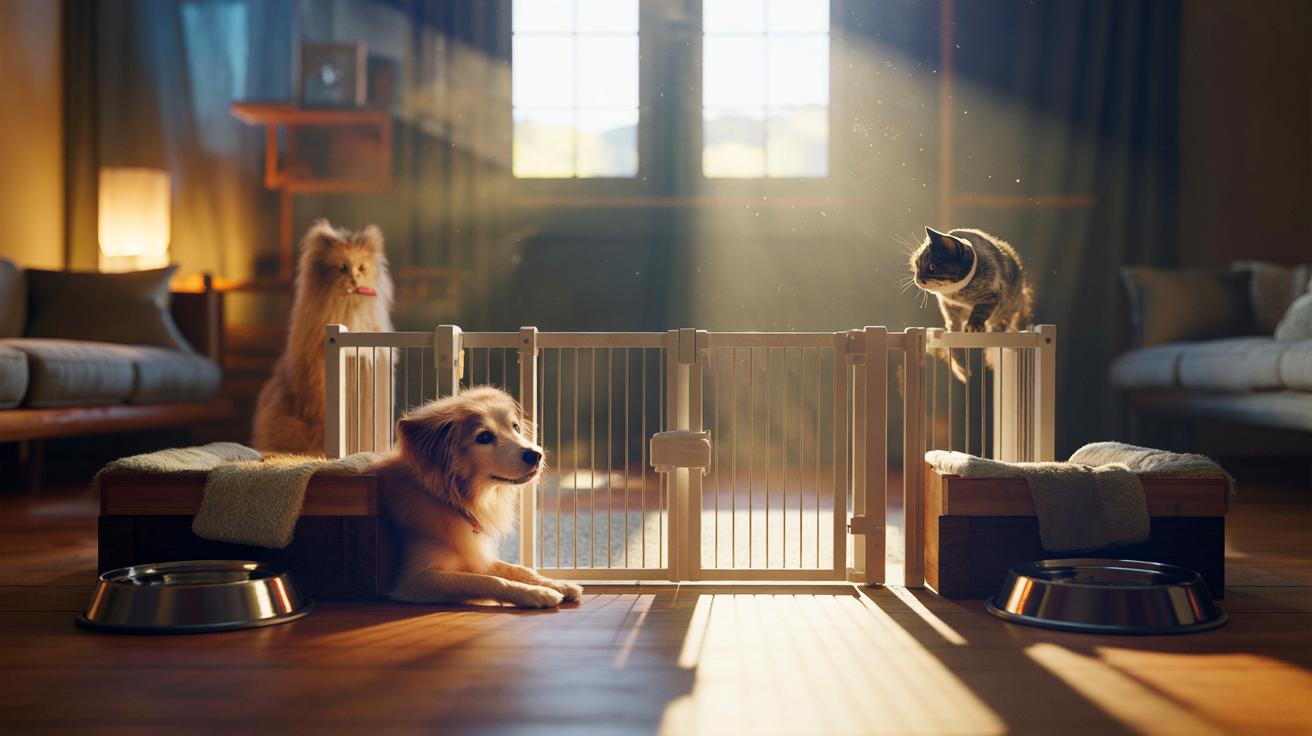
- 👀 Move to controlled barrier introductions (gates, pens) with leashed dogs or parallel play for cats, maintain a safe threshold distance, and use consent checks and calm-reward games to reinforce relaxed observation.
- 🧩 Grant brief, supervised access last; tighten management (separate feeding, stash guardable toys), add pattern games and cooperative care, protect sleep, and schedule decompression to prevent flare-ups.
- 📓 Track daily progress, slow down after setbacks, and consult certified pros (CCPDT, IAABC, CAAB) when needed; expect harmony to build over weeks, not hours.
Adopting a new pet should feel hopeful, not harrowing. Yet the first week can make or break long-term harmony. Animal behaviorists agree on a simple truth: introductions aren’t a single moment; they’re a carefully staged process. Cats, dogs, and small mammals thrive when humans respect pace and predictability. That means gradual exposure, scent-first communication, and consent-based pacing calibrated to each animal’s comfort. Rushing is the enemy of trust. With a few smart tools—barriers, duplicate resources, routines—you can dramatically reduce conflict and create confidence on both sides of the door. Think choreography, not chaos. Think “less is more,” especially in the beginning.
Prepare the Environment Before First Contact
Preparation starts days before animals meet. Behaviorists recommend building a secure, low-pressure layout that lets everyone breathe. Start by carving out a decompression zone for the newcomer—a spare room or penned area with bed, litter or potty setup, water, toys, and a door or sturdy gate. Duplicate resources to blunt resource guarding: two feeding stations, extra litter boxes (one per cat plus one), several water bowls, multiple resting spots. For cats, add vertical space—perches and shelves. For dogs, designate a quiet crate or covered pen. Small pets need hideouts and stable substrate that smells like home.
Stash visual barriers like blankets and window film to limit staring, which raises arousal. Place scent stations: swap cloths between animals, rub along cheeks and shoulders (cats) or chest and flanks (dogs), then park those cloths near food so the other pet pairs the odor with good things. Consider pheromone diffusers for cats and calming music for sensitive species. Keep routines steady—predictable feeding, walks, and play—so the resident animal doesn’t feel displaced. If you don’t plan the space, the space plans the meeting.
Stage One: Scent and Sound, Not Sight
Before any eye contact, trade information safely. Feed on opposite sides of a closed door or gate, gradually moving bowls closer over days while watching for soft bodies, easy breathing, and normal eating. That’s counterconditioning at work—your pet learns the new scent predicts dinner, not danger. Rotate bedding between rooms. For dogs, let the newcomer explore the yard alone first, then allow the resident dog to sniff the newcomer’s track. Keep sessions short. End while it’s still going well. Short, sweet exposures build trust faster than marathon encounters.
| Species | Early Stress Signals | What to Do |
|---|---|---|
| Cats | Tail puff, ears flattening, freeze or flee, growl | Increase distance, add vertical space, resume scent-only swaps |
| Dogs | Hard stare, lip lick, yawns, hackles, stiff walk | Back up to threshold, reward calm, use gates and leashes |
| Rabbits/Small Pets | Thumping, rapid breathing, hiding, refusal to eat | Cover part of pen, add hides, scent-only exposure, quiet room |
Watch for green-light signals: soft eyes, loose tails, normal grooming, curiosity without fixation. Label what you see out loud to slow your own reactions. Teach a simple relaxation routine—mat settling for dogs, food puzzles for cats—to pair the other pet’s scent with calm behavior. If either animal stops eating or play degrades, you’ve gone too fast. Reset the distance and try again later. Progress isn’t linear; it’s a gentle zigzag toward comfort.
Stage Two: Controlled Visual Introductions
Now let them look—safely. Use a barrier introduction like a baby gate, exercise pen, or cracked door with doorstop. Keep leashes on dogs for safety but allow slack so they can choose to disengage. Cue a “look at that” game: when one pet glances at the other, say “Yes” and deliver a treat on the ground away from the fence. You’re reinforcing calm observation. For cats, scatter high-value treats or play wand-toys parallel to the barrier, never luring noses to the mesh. Short sessions beat long standoffs. End after 1–3 minutes of success.
Maintain a threshold distance—the spot where both animals can see each other while staying loose and responsive. If posture stiffens or someone anchors, you’re too close. Step back. Perform “consent checks”: pause and see if either pet chooses to re-approach. Choice reduces stress. For dogs, add parallel walks outdoors with wide spacing; smell-rich ground helps diffuse tension. For cats, rotate room access while the other explores, preventing territorial pileups. Log daily notes—distance, duration, body language—to guide each next step. When in doubt, slow down, split the session, and finish on a win.
From First Access to Lasting Peace
Full access comes last, not first. Start with brief, supervised time together in a neutral area. Drop scatter treats periodically so the presence of the other pet keeps “making food happen.” Install multiple escape routes and resting zones so no one gets cornered. Keep management tight for the first month: feed separately, store toys that trigger guarding, and rotate high-value chews. Use pattern games—go-to-mat, hand target, name-response—to give predictable scripts when excitement spikes. If conflict bubbles, interrupt calmly, guide each pet to their stations, and reset with easier criteria next time.
Protect sleep. Tired animals snap. Schedule decompression—walks for dogs, solo play or window-watching for cats, quiet-foraging for small pets. Layer in cooperative care skills like consent-to-be-touched and easy harnessing so handling doesn’t add tension. If setbacks recur—growls that escalate, litter box avoidance, resource scuffles—bring in a certified professional (CCPDT for dogs, IAABC or CAAB for multi-species) early. Harmony is a practice, not a finish line. With steady routines, strategic management, and humane training, most households find their groove within weeks, not hours.
Introductions that honor biology feel calm, almost boring—and that’s the goal. You’re teaching your pets that the other animal predicts safety, space, and good things. Start with scent, progress to sight, then allow short, supported access with clear exits and abundant resources. Take notes, celebrate tiny wins, and resist the urge to fast-forward. If you could redesign your space or routine this week to reduce friction, what one change would you try first?
Did you like it?4.3/5 (23)