In a nutshell
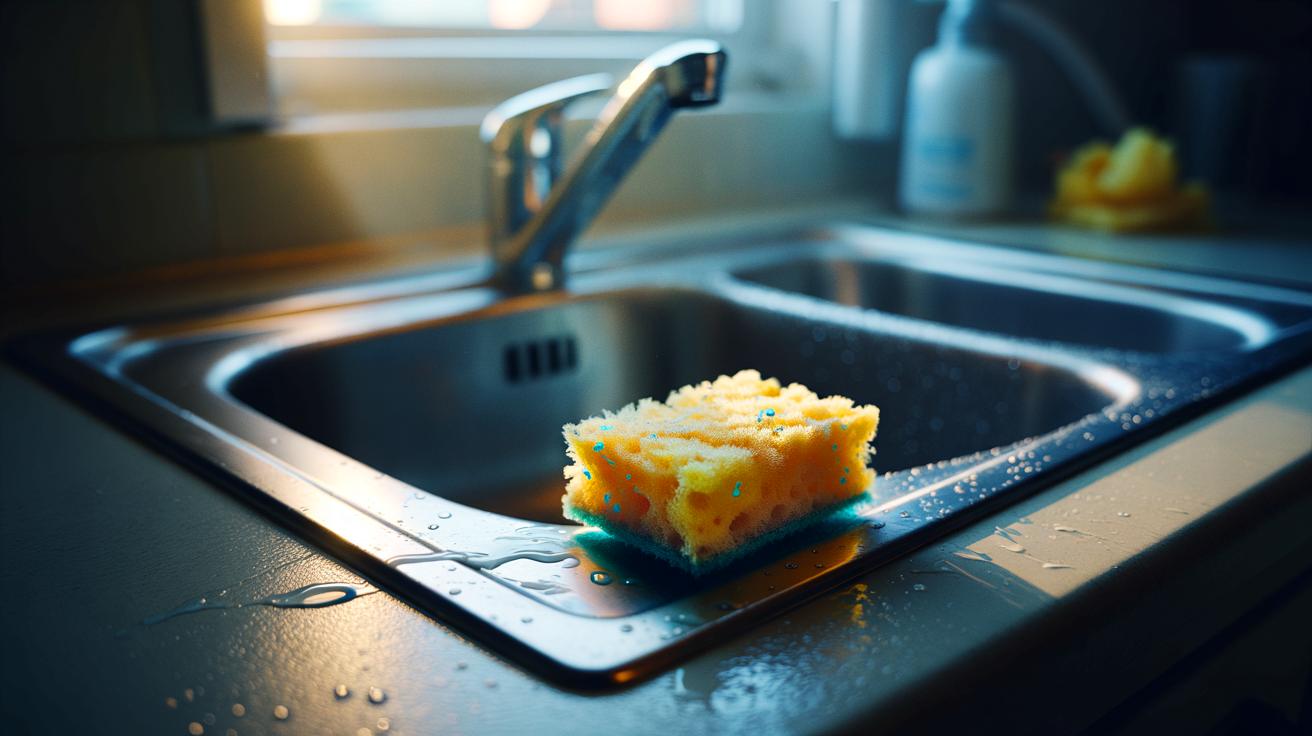
- 🧽 Scientists identify the kitchen sponge as a microbial hotspot—often dirtier than the sink—harboring coliforms, E. coli, and Pseudomonas.
- 🧫 Moist, porous design fosters resilient biofilms that simple rinsing can’t remove; moisture + nutrients + time accelerates bacterial growth.
- 🔄 Invisible cross-contamination occurs when one sponge moves microbes from dishes to counters, handles, and other touchpoints.
- 🧰 Evidence-based fixes: segment cleaning tools (dishes vs. counters), let sponges air-dry upright, and replace every 7–10 days.
- ♨️ Disinfect effectively: use the dishwasher, a diluted bleach soak, or carefully microwave a fully wet sponge; also sanitize sinks and drains.
Every kitchen has a villain that hides in plain sight, and it’s not the sink. Scientists point to the humble kitchen sponge—that soft, colorful staple near the faucet—as a microbial metropolis teeming with life you don’t want near dinner. Moist. Porous. Packed with food residue. It offers a perfect habitat for thriving bacteria, sometimes even more than the sink drain you scrub with it. The overlooked reality: your sponge can be dirtier than your sink, your cutting board, even the trash can lid. This isn’t fearmongering; it’s a hygiene gap we can close with smarter routines, better tools, and a few minutes of daily discipline.
The Germ Hideout: Your Kitchen Sponge
Microbiologists have long flagged the kitchen sponge as a high-risk hotspot. It holds water for hours, traps crumbs deep in its crevices, and lives in a warm zone where it’s used multiple times per day. That’s a textbook recipe for rapid bacterial growth and resilient biofilms—communities of microbes that cling to surfaces and resist quick rinses. Studies from organizations like NSF International have found coliform bacteria, including E. coli, on sponges at levels that beat many bathroom surfaces. When you scrub a plate, then swipe the counter, you can be painting bacteria from one surface onto another.
Why does it go unnoticed? Familiarity. We equate “soap suds” with “sanitized,” and a sponge looks harmless when it smells fresh or feels clean. But a brief rinse rarely reaches the microscopic nooks inside a sponge’s foam. Those tiny pockets form an ideal refuge where nutrients and moisture remain even after a squeeze. In other words, the sponge doesn’t just contact germs; it can cultivate them. That means the tool you trust to clean is often the item rewriting the microbial map of your kitchen.
Why Sponges Beat Sinks in Microbes
It’s a matter of design and ecology. A sink’s slick metal or porcelain drains water and dries faster; a sponge does the opposite. Its enormous internal surface area gives microbes room to anchor and expand. Food particles become fuel. Warm water adds speed. Frequent use deposits new bacteria, while insufficient drying keeps them active. Over time, this creates durable biofilms that shrug off casual rinsing. Moisture plus nutrients plus time equals multiplication, not mitigation. Researchers sampling households report sponges and dishcloths among the top carriers of Salmonella, Enterobacter, and Pseudomonas, outpacing many sink-adjacent surfaces.
To orient your cleaning priorities, compare common hotspots. This simple snapshot reflects typical patterns microbiologists report in home surveys.
| Item | Typical Moisture Level | Relative Microbial Load | Primary Pathogens Reported |
|---|---|---|---|
| Kitchen sponge | High, persistent | Very High | Coliforms, E. coli, Pseudomonas, yeasts/molds |
| Sink drain/strainer | High, intermittent | High | Biofilm-formers, coliforms |
| Cutting board (raw meat) | Moderate | High (short-term) | Salmonella, Campylobacter |
| Fridge vegetable drawer | Moderate | Moderate | Listeria, yeasts/molds |
| Faucet handle | Low | Moderate | Coliforms (transfer) |
When you must choose where to focus, the sponge wins the “clean me first” contest—by a lot.
Cross-Contamination You Don’t See
Kitchen contamination rarely happens in a dramatic moment; it spreads in tiny, forgettable gestures. You rinse a cutting board used for raw chicken, wipe it with a sponge, then swipe the same sponge across a countertop, the fridge handle, maybe the coffee maker. A child grabs a snack. A pet bowl gets nudged. Each touch can transfer microbes. Invisible residue becomes a relay race for bacteria, with your sponge as the baton.
Timing multiplies risk. Pre-dinner rush means fewer pauses for sanitizing. Sponges that stay damp between uses act like slow-release carriers. Even “clean” sinks can be re-seeded when a contaminated sponge sits in a puddle on the basin’s edge. Consider also the biofilm effect: once established, microbial communities tolerate detergents better and recolonize surfaces swiftly. That’s why “smell checks” fail; absence of odor doesn’t equal safe. The real fix comes from interrupting these transfer pathways and resetting the tools that drive them.
What Scientists Recommend: Smarter Cleaning Routines
Action beats anxiety. Start by segmenting tools: one sponge or scrubber only for dishes, another for counters, and a disposable option (or paper towels) for raw-meat spills. Never use the same sponge on raw protein residue and ready-to-eat surfaces. Let sponges dry completely between uses; store them upright on a ventilated rack, not flat in a wet sink. Replace cellulose sponges every 7–10 days in busy kitchens, sooner if they smell or crumble. Silicone scrubbers dry faster and resist absorption, though they still require cleaning.
For disinfection, proven methods help reduce loads. Run sponges through a dishwasher cycle with heated dry. Alternatively, soak in a diluted bleach solution (about 1 tablespoon of bleach per quart of water) for 5 minutes, then rinse and air-dry. Some labs show that microwaving a fully wet sponge for 1–2 minutes can reduce bacteria, but use caution: no metal, monitor closely, and avoid dried-out sponges, which can scorch. The safest rule is simple: clean, dry, rotate, replace. Pair this with routine sanitizing of sink drains, faucet handles, and fridge drawers to keep recontamination in check.
Here’s the headline that matters: the filthiest item near your faucet is often the one marketed to clean everything else. That doesn’t mean panic; it means a plan. Upgrade your toolkit, separate tasks, disinfect on a schedule, and embrace drying time as a silent sanitizer. A small shift in habits can dramatically cut the microbial traffic flowing across your kitchen. If you picked one change today—switching to a two-sponge system, adopting a weekly replacement, or sanitizing after raw-meat prep—which would make the biggest difference in your home, and why?
Did you like it?4.7/5 (26)