In a nutshell
- 🍋 The lemon peel releases limonene and citric acid, which neutralize stubborn odors instead of masking them.
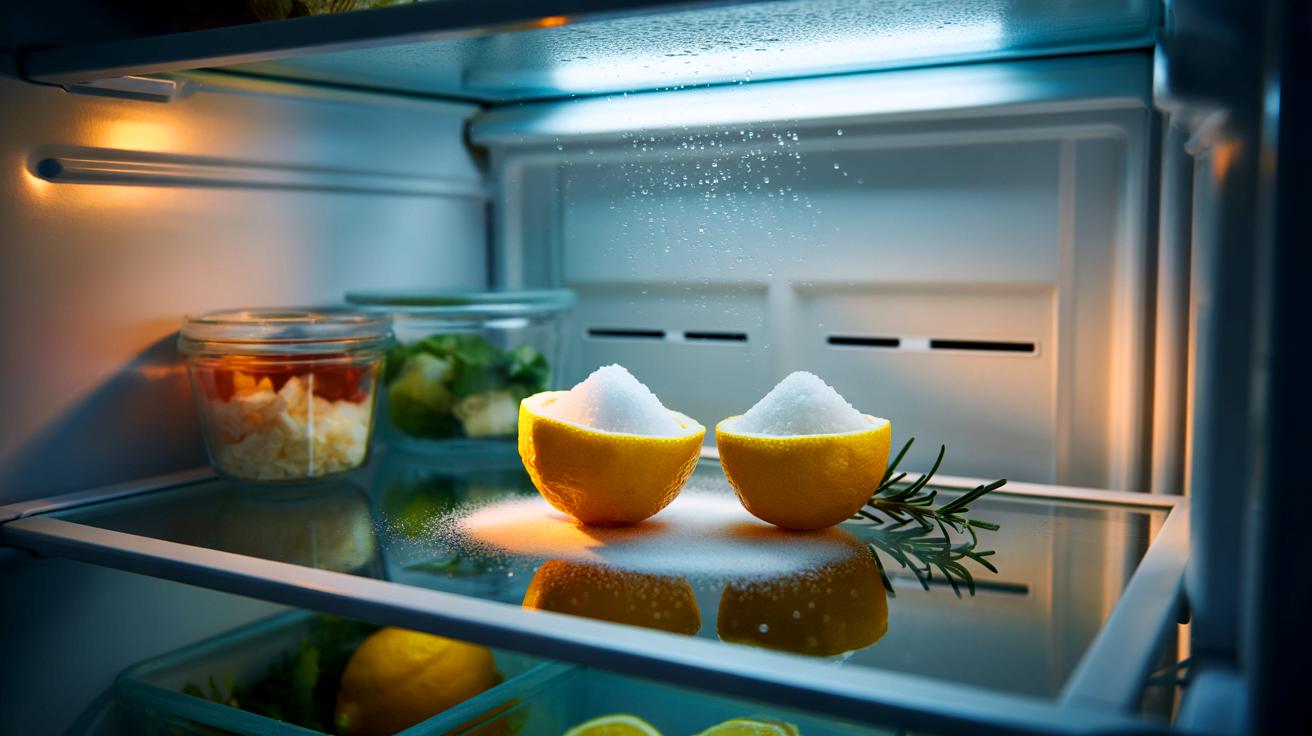
- 🛠️ Make two “peel cups” by halving a lemon, scooping the pulp, and filling with coarse salt or baking soda; place on the top shelf and in the crisper for 10–21 days of freshness.
- ⚠️ Prioritize safety: keep peels from touching unwrapped foods, discard if moldy, and consider orange, grapefruit, or lime peel variations for different aromas.
- 🧽 If odors persist, deep clean with a baking soda solution, check the drip pan and defrost drain, seal pungent foods, and pair with activated charcoal.
- 📅 Optimize placement and airflow: don’t overpack, set a weekly refresh habit, and position a fresh peel near vents for even scent distribution.
You open the fridge and catch a whiff of last night’s leftovers. Not ideal. There’s a simple, fragrant fix hiding in your fruit bowl. The humble lemon peel can transform a stale-smelling refrigerator into a crisp, citrus-laced haven—without chemicals, sprays, or pricey filters. It’s cheap. It’s fast. It works for weeks when done right. This trick marries science and simplicity: essential oils and natural acids tackle funk at the source while a bit of kitchen know-how keeps moisture in check. Think less masking, more neutralizing. Here’s the why, the how, and the smart tweaks that make this old-school method a modern essential.
Why Lemon Peel Works
On paper, a lemon peel is just zest and pith. In your fridge, it’s a targeted odor strategy. The peel is rich in limonene, a volatile aromatic compound that lends that bright, clean scent we associate with fresh kitchens and just-mopped floors. Limonene doesn’t merely perfume the air; it interacts with stubborn smells, especially fatty or sulfurous notes, helping blunt their intensity. The peel also carries citric acid, which lowers pH on contact, discouraging some odor-causing microbes from thriving on damp shelves and door bins.
Unlike a spray, lemon peel keeps working as it slowly releases essential oils. Pair it with coarse salt or a spoonful of baking soda and you add a moisture and odor sink, preventing the peel from turning mushy while boosting absorption. The result is a longer-lasting, cleaner-smelling fridge that relies on chemistry you can pronounce. Compared with activated charcoal, lemon offers an uplifting aroma while still tackling the root of the problem—volatile organic compounds from spills, aging produce, and open containers.
There’s also behavior change baked in. A bright lemon “cup” on the shelf is a visual nudge to cover leftovers and wipe small drips quickly. That matters. Most refrigerator funk isn’t mysterious; it’s cumulative, and citrus keeps you honest about prevention in addition to cure.
How to Do the Lemon Peel Trick
Choose a firm, heavy lemon with a glossy skin. Wash and dry it. Halve the fruit, juice it for cooking or iced water, then scoop out the pulp, leaving two sturdy “cups” of peel. Fill each cup with a tablespoon of coarse salt or baking soda, which reduces moisture and boosts odor control. Place one cup on the top shelf and one in the crisper. Keep peels upright and away from direct drips to extend their life to two or even three weeks. For a quicker option, twist long zest strips to bruise the oil glands and tuck them in a small open jar with a teaspoon of baking soda.
Refresh when the peel looks dried or the aroma fades. If you store pungent foods—onions, blue cheese, fish—double up with a second set. You can also slip a sprig of rosemary or a cinnamon stick into the peel cup for a warmer profile. For small dorm fridges, one peel cup is enough; for family-size units, aim for two or three strategically placed near air vents and the dairy compartment.
| Item | Role | Lifespan | Best Placement |
|---|---|---|---|
| Lemon peel cup | Releases limonene; mild antimicrobial | 10–21 days | Top shelf or crisper |
| Coarse salt | Wicks moisture | Replace with peel | Inside peel |
| Baking soda | Absorbs odors | 30 days | Open jar near peel |
Safety, Shelf Life, and Variations
Food safety comes first. Don’t let lemon cups leak or rest directly against unwrapped foods; acidity and oils can alter flavors. If a peel shows mold, discard immediately and wipe the spot with a mix of warm water and a teaspoon of baking soda. In very humid fridges, salt performs better than baking soda inside the peel because it keeps the cup from softening. Expect 10–14 days of strong scent, extending to three weeks in drier settings. Replace sooner if you’ve had a major spill or stored aromatic leftovers.
Want variations? Orange and grapefruit peels provide a sweeter aroma; lime offers a sharper, more herbal edge. Add a few whole cloves for a bakery-like note, or a strip of ginger to nudge brightness. For eco-minded households, compost used peels or toss them into a simmer pot on cleaning day. If you own a garbage disposal, grind spent peels with ice to clean blades and release lingering citrus oils.
Allergy note: citrus oils can irritate skin. Handle peels briefly and wash hands if sensitive. Avoid essential oil drops on shelves—they can be too concentrated. The peel method is gentler, steadier, and easier to control, which is exactly why it shines in a busy kitchen.
Troubleshooting Stubborn Fridge Odors
If the lemon trick isn’t cutting through, the odor is likely structural. Start fresh. Remove everything, checking dates and lids. Mix a quart of warm water with two tablespoons of baking soda and wipe walls, shelves, bins, and the gasket, rinsing with a clean damp cloth. Don’t forget the drip pan under the fridge—a classic stink trap. If accessible, clear the defrost drain with a turkey baster of hot water. Dry surfaces fully before restocking; moisture is odor’s accomplice.
Next, isolate culprits. Onions, garlic spreads, and washed-rind cheeses demand airtight containers. Fish and seafood get a separate, sealed bin. Keep produce in crispers with vents adjusted—closed for leafy greens, slightly open for ethylene producers like apples. A small tray of activated charcoal can partner with your lemon peel setup after deep cleaning, especially after a power outage or a spill that lingered.
Finally, space matters. Don’t overpack. Air must circulate for your citrus deodorizer to work its magic. Consider rotation: place the newest lemon cup near the intake vent so the fan disperses fresh aroma through the cabinet. Within days, the background funk should fade, replaced by a subtle, clean citrus lift that feels intentional rather than perfumed.
The quiet genius of the lemon peel trick is its balance: natural chemistry, low waste, and a fragrance profile that reads clean without shouting. It buys time between deep cleans and makes opening the door feel like a reset, not a warning. Use it as a weekly ritual, right after grocery day, and you’ll prevent problems before they start. A small peel can change the mood of a big appliance. What’s your next step—will you try classic lemon cups, or riff with grapefruit and cloves to craft a signature fridge scent that suits your kitchen life?
Did you like it?4.5/5 (20)