In a nutshell
- 🧺 Use distilled white vinegar to neutralize musty odors by dissolving alkaline residues, mineral films, and odor-causing compounds for a truly fresh, not perfumed, finish.
- 🧪 Rescue a sour load fast: add 1/2 to 1 cup to the rinse or a 30-minute pre-soak, then launder; don’t dry until the smell is gone to avoid setting odors.
- ⚠️ Safety first: Never mix with chlorine bleach, spot-test bright dyes, and limit long soaks on elastic-heavy garments; vinegar is rinse-stage deodorizer, not a primary stain remover.
- ☀️ Dry right: Sun-dry when possible—UV aids deodorizing; otherwise, ensure a thorough dry so moisture doesn’t re-seed odors in towels and synthetics.
- 🔁 Prevent future funk: move washes promptly, ventilate the washer and room, and run a monthly maintenance wash (hot cycle + 1 cup vinegar) to clear machine biofilm and boost absorbency.
Your laundry smells like a damp basement. It happens to the best of us: a forgotten load in the washer, towels that never quite dry, gym clothes fermenting in a hamper. The fix doesn’t require perfume-heavy detergents or pricey additives. It starts in your pantry. Distilled white vinegar—the clear, 5% acetic acid kind—neutralizes the compounds that make fabrics smell stale. No florals that fade. No residue that traps new odors. Used correctly, one ingredient can reset even stubborn mustiness without harming most fabrics. Here’s why it works, exactly how to use it, and what to do so that mildew funk doesn’t return next week.
Why White Vinegar Erases Musty Odors
Musty laundry isn’t just “old water.” It’s a cocktail of volatile organic compounds left by mildew, body soils, and detergent buildup. White vinegar tackles the chemistry. Its mild acidity (about 5% acetic acid, pH ~2.4) helps dissolve alkaline residues, breaks up mineral films from hard water, and disrupts odor-causing molecules so they rinse clean. The result feels like a reset: fabrics emerge neutral, not perfumed. That neutral baseline is the secret—no masking, just removal. On towels and synthetics—common odor magnets—vinegar’s de-scaling power restores absorbency, which also slows future stink.
There’s another advantage: compatibility. Vinegar pairs safely with most detergents in standard wash cycles, reducing the clingy residue that traps smells. It can also loosen the biofilm lurking inside machines, where slime and lint harbor stink. Think of it as housecleaning for your washer and wardrobe. While potent enough to freshen must, it’s gentle on cottons and many blends when properly diluted. Still, always spot-test vivid dyes and delicate fibers, and avoid repeated soaking of items with fragile elastics. When in doubt, test a seam and rinse well.
Step-by-Step: Rescue a Sour Load Fast
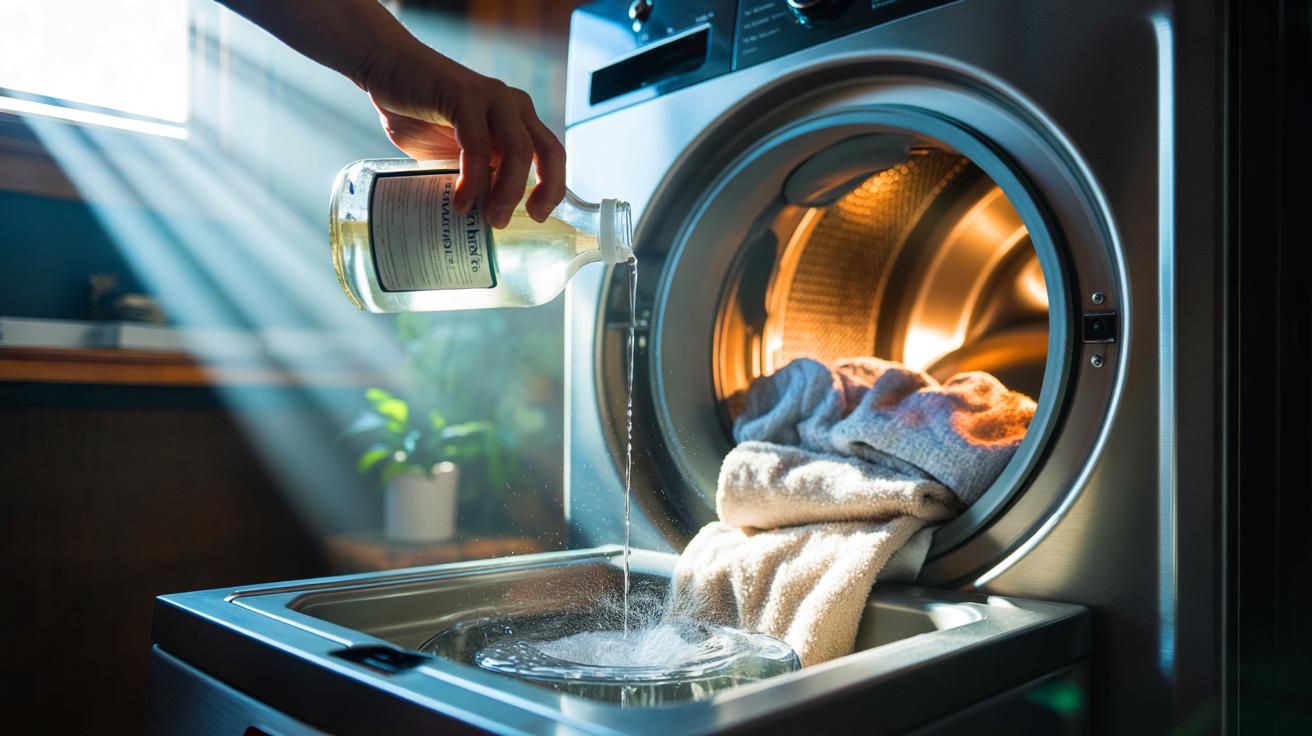
Got a sour-smelling load? Don’t dry it. Heat will set the odor. Instead, run a targeted refresh. For a typical drum, add 1/2 to 1 cup of distilled white vinegar straight to the drum or the fabric softener compartment so it dispenses in the rinse. Use warm water if the fabric allows. Rewash once with your regular detergent if soils are heavy; otherwise, let the rinse do most of the deodorizing. Vinegar neutralizes the smell; the rinse carries it away. For intense mustiness, pre-soak: 1 cup per gallon of cool water, 30 minutes, then launder as usual.
| Load Size | Machine Type | Vinegar Amount | When to Add |
|---|---|---|---|
| Small | Front Loader | 1/2 cup | Rinse compartment |
| Medium | Top Loader | 3/4 cup | Directly into drum |
| Large/Extra Funky | Any | 1 cup | Soak or rinse cycle |
Drying matters. Sun-dry when possible; UV helps deodorize and sanitize naturally. Indoors, use a thorough, not scorching, dryer cycle to fully evaporate moisture that can re-seed odors. If a faint tang lingers wet, it will vanish once dry. Never mix vinegar with chlorine bleach—harmful fumes can form. If using oxygen-based whiteners, run them in a separate cycle. And if your gasket or detergent drawer smells swampy, remove the load after the rinse, then run a hot empty cycle with 1 cup vinegar to purge the machine before the next wash.
Prevention, Stain Concerns, and Machine Care
Once you’ve erased the must, keep it gone. Move washed clothes to the dryer promptly; limit hamper dwell time for damp towels and workout gear. Improve airflow in closets and laundry rooms. Between cycles, prop open the washer door and pull out the detergent drawer to dry. A monthly maintenance wash—hot water plus 1 cup white vinegar in an empty machine—helps dissolve buildup on drums, hoses, and gaskets. Clean machines make clean-smelling laundry. For hard-water homes, this step is transformative: fewer mineral films, fewer odors, better detergent performance.
What about color vibrancy or delicate fibers? Vinegar’s dilution in rinse water is generally fabric-safe, but smart habits matter. Spot-test bright reds and indigos on an inside seam. Avoid frequent long soaks for garments with spandex-heavy blends; acidity plus time can fatigue some elastics. Treat stains first, then deodorize—vinegar is not a primary stain remover for oil, dye, or protein. After washing with detergent, apply the vinegar in the rinse to clear residues. If you love fabric softener, alternate days; vinegar already softens by removing buildup. And remember: don’t combine vinegar with chlorine bleach, ever.
One kitchen staple can undo hours of musty disappointment and restore that just-washed calm to your closet. Distilled white vinegar doesn’t cover odors; it erases the chemistry that creates them, while quietly maintaining your machine. It’s inexpensive, fast, and friendly to everyday fabrics when you follow a few simple rules. Try a vinegar rinse on your next questionable load, sun-dry when you can, and keep the washer aired out between sessions. Small shifts add up to permanently fresher laundry. What’s the most stubborn smell you’ve battled in your washer, and which step will you test first to make it disappear for good?
Did you like it?4.4/5 (23)