In a nutshell
- 🌾 Composition: Rice water carries starches, amino acids, trace minerals, and silica, acting as a gentle biostimulant that feeds beneficial microbes and improves nutrient availability.
- 🌱 Mechanism: Added carbon fuels microbial biofilms on roots, promoting root branching and sturdier shoots, while silica strengthens cell walls for better stress tolerance.
- ⚖️ Application: Use unseasoned water; dilute (~1:3 for houseplants, 1:1–1:2 for beds), apply to moist soil every 2–4 weeks; fermented batches need heavier dilution (≥1:5) and placement around the drip line.
- 🚫 Limits and risks: Overuse or poor drainage can trigger anaerobic conditions and pests; avoid salted water and waterlogged mixes; store no more than 48 hours.
- 🔧 Integration: Rice water complements—does not replace—a balanced N–P–K regimen and proper light; watch plant feedback and adjust frequency and strength.
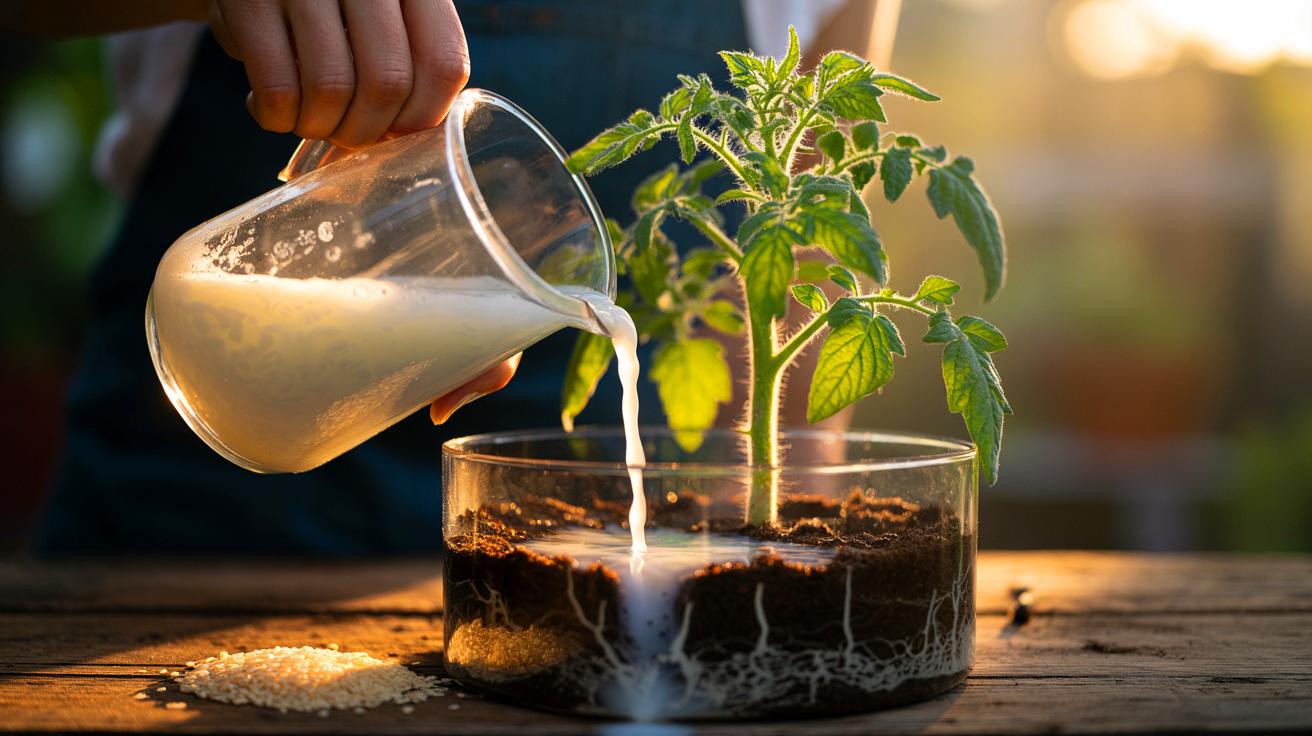
Gardeners swear by rice water, the cloudy liquid left after rinsing or boiling grains, as a low-cost tonic for houseplants and vegetables. The idea is simple: place it near the roots, and growth improves. But behind that folksy tip sits real biology. Rice water carries starches, trace minerals, and microbe-ready carbon that can energize the rhizosphere, the thin soil layer hugging roots. It’s not magic. It’s ecology. When applied thoughtfully—diluted, unseasoned, and on the right schedule—this kitchen byproduct can nudge plants toward sturdier stems and denser roots. Used recklessly, it can sour soil and invite pests. Used well, it’s a gentle, sustainable boost.
What Is in Rice Water and Why It Matters
Rice water is essentially a dilute broth of soluble starches, amino acids, small amounts of phosphorus and potassium, traces of silica, and B-group vitamins. These ingredients don’t act like a high-powered fertilizer. Instead, they behave like a biostimulant, feeding beneficial microbes that live on and around roots. As microbes metabolize carbs, they release organic acids that can loosen bound nutrients in soil, making iron, manganese, and phosphorus more available. The result is not a nutrient dump, but a gradual improvement in nutrient access. For seedlings or stressed plants, that gentle nudge matters. It’s also typically mild in electrical conductivity, reducing the risk of fertilizer burn. Think of it as priming the pump, not replacing the pump.
When gardeners place rice water near the roots, two things tend to happen. Microbial colonies get a quick carbon snack, then proliferate along root hairs. At the same time, starches act as a temporary moisture buffer, slowing evaporation at the root zone in container mixes. That combination can encourage new root tips to branch, which improves overall uptake capacity. The catch: excess starch can ferment anaerobically in heavy, compacted soils. Oxygen-poor conditions favor pathogens. So the benefits depend on dilution, drainage, and timing.
| Component | Source in Rice Water | Primary Effect on Plants |
|---|---|---|
| Starches | Surface wash from grains | Feeds beneficial microbes; moisture retention |
| Amino acids | Trace protein residues | Chelation of micronutrients; mild growth support |
| Silica | Rice husk residues | Stronger cell walls; stress tolerance |
| Phosphorus, potassium | Minute mineral traces | Root vigor; water regulation |
How It Strengthens Roots and Shoots
Plant strength starts underground. Roots exude sugars; microbes return the favor by unlocking nutrients and producing bioactive compounds. Rice water accelerates that handshake. Lactic acid bacteria and other benign microbes thrive on the added carbon, forming protective biofilms on root surfaces. These films can outcompete pathogens, a phenomenon gardeners call “competitive exclusion.” The plant invests less energy fighting disease and more building tissue. Meanwhile, silicon from rice residues can incorporate into cell walls, subtly increasing rigidity. Leaves hold shape better. Stems resist lodging. Under heat or drought, silica-treated tissues leak less water.
There’s also a priming effect. When microbe populations rise, they produce small molecules—organic acids and phytohormone-like signals—that tweak plant physiology. Even at trace levels, these can promote root branching and finer root hairs, expanding the root’s surface area. With more “fingers” in the soil, the plant accesses phosphorus pockets and micronutrients it previously missed. Shoots respond upstream: steadier nutrient flow supports chlorophyll production, so foliage deepens in color and photosynthesis climbs. You see it as tighter internodes and more resilient new growth. Not a miracle. A cascade.
Does rice water contain plant hormones? Claims fly online. Evidence is thin for direct hormone content, but the microbe-mediated signals can mimic that effect. The distinction matters less than practice: consistent, moderate applications build structure; sporadic deluges create imbalance.
Best Practices for Applying Rice Water
Use unseasoned rice water only. No salt, oil, or soap. For fresh rinse water, dilute roughly 1:3 with clean water for houseplants; for garden beds with good drainage, a 1:1 to 1:2 dilution is fine. Apply to moist soil, not bone-dry media, so microbes wake up evenly and roots aren’t shocked. Frequency? Every two to four weeks during active growth. Skip during dormancy. Less is more; your nose is a guide—if it smells sour, it’s gone too far.
Fermented rice water can be potent. If you choose to ferment 24–48 hours at room temperature, vent the container and dilute more, at least 1:5, to avoid anaerobic overload. Pour around the drip line, not directly against the stem, and stop at the first sign of fungus gnats or a slick film on soil. Container plants with peat-heavy mixes benefit most, but they’re also easiest to overdo. In clay soils, improve aeration first with compost or perlite before experimenting. And always keep expectations realistic: rice water complements, not replaces, a balanced N–P–K fertilizer regimen and appropriate light.
Watch for feedback. Pale leaves suggest actual nutrient deficiency—use a complete fertilizer. A sour smell or limping growth points to overapplication or poor drainage. Adjust, don’t abandon. The goal is steady microbial support, not a weekly spectacle.
When Rice Water Backfires: Myths, Limits, and Safety
Rice water is not a silver bullet. High-starch inputs in cramped, wet pots can spark anaerobic microbes that compete with roots for oxygen. That’s why succulents and cacti, which demand fast-draining media, are poor candidates. If your mix stays wet longer than two days, rice water will likely worsen conditions. Another myth: that it “fixes” every deficiency. It doesn’t supply enough nitrogen or magnesium to satisfy hungry tomatoes or citrus. Use it alongside compost teas or slow-release fertilizers, not instead of them.
Safety matters indoors. Starchy residues attract fungus gnats; place yellow sticky traps and let the top inch of soil dry between waterings. Always cool boiled rice water before use, and never repurpose water seasoned with salt or bouillon—salt stress can scorch roots. Rinse residual film from saucers to avoid mold. If anyone in the household is immunocompromised, stick to fresh, lightly diluted rinse water rather than fermented batches. Finally, store only in the fridge and for no more than 48 hours. After that, discard. Your plants want living support, not a swamp.
Used with intent, rice water is a thrifty way to enliven the root zone. Used casually, it’s a mess. The difference is practice, proportion, and patience.
Placed near roots, rice water acts as a subtle lever: it energizes microbes, improves nutrient access, and nudges plants toward sturdier stems without the harsh edge of synthetic feeds. It costs nothing, recycles kitchen waste, and—done right—builds resilience season after season. The secret isn’t exotic; it’s the slow choreography of roots and microbes. Start small, journal results, and tweak dilution to your conditions. Your garden will tell you what works. Are you ready to test a cup, observe for a month, and turn a household rinse into a reliable growth habit?
Did you like it?4.4/5 (25)