In a nutshell
- 🌱 Mulch applied in early spring blocks light and seed-to-soil contact, disrupting the weed seed bank before the first germination flush.
- 🔬 Mulch reshapes the microclimate—controlling light, moisture, and temperature—which suppresses annual weeds while boosting soil biology for lasting resilience.
- 📏 Match material to need: 2–3 in shredded bark or composted leaves for beds; 3–4 in wood chips or clean straw for trees/veggies; keep mulch off stems and skip dyed/rubber near edibles.
- 🧰 Use smart techniques: prep and edge beds, slice existing weeds, add cardboard/newsprint under mulch, form trunk “donuts,” and pair with a pre-emergent when suitable; patrol for tiny sprouts.
- ⏳ Payoff: season-long weed control, steadier moisture, healthier plants, and far less maintenance—one spring session prevents months of weeding.
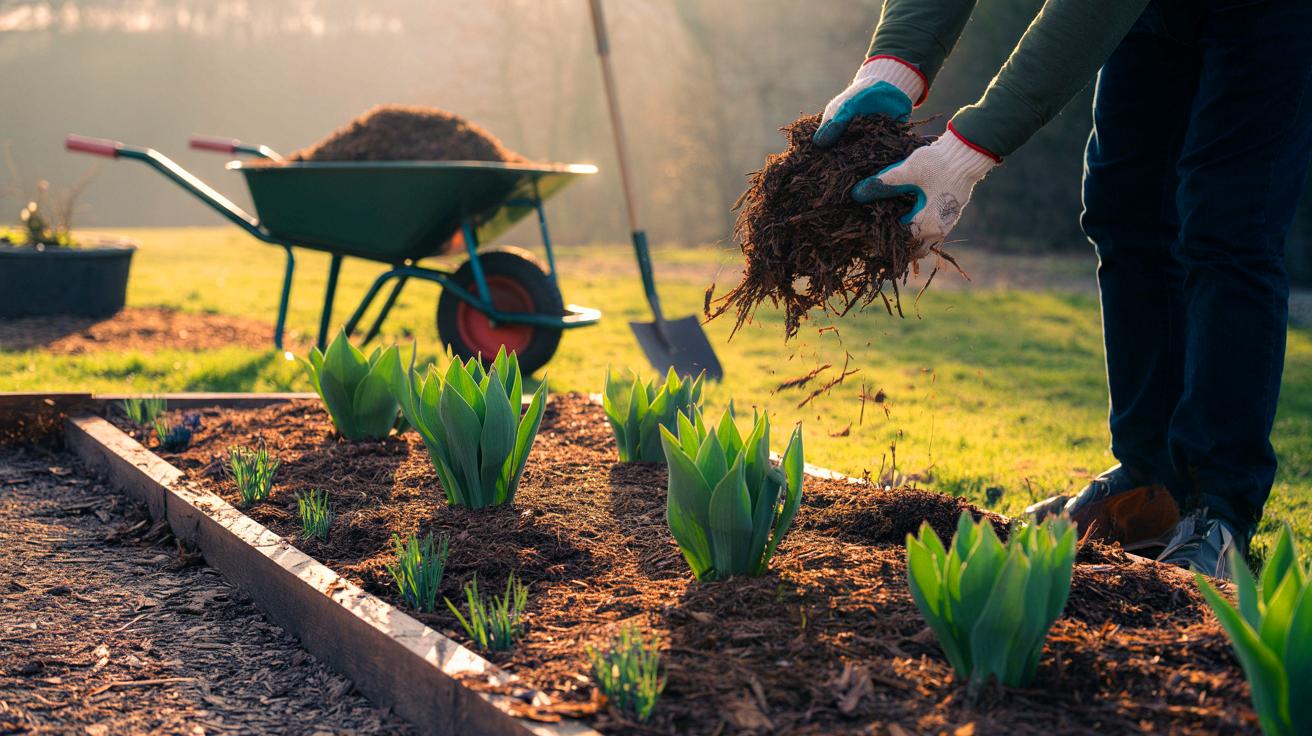
Gardeners who battle weeds know the season can be won or lost in a matter of weeks. That’s why spreading mulch in spring is a quiet act of strategy. Do it early, and you build a protective shield before dandelions, crabgrass, and purslane make their move. The payoff is big: fewer hours bent over weeding, steadier soil moisture, and plants that actually get the nutrients you paid for. The key isn’t just the mulch itself—it’s the timing. Apply when the ground is warming, perennials are emerging, and before the weed seed flush. Done right, this single step keeps beds clean all season.
How Spring Timing Disrupts Weed Germination
Weeds are opportunists. When spring soils reach roughly 55–60°F and daylight increases, the dormant weed seed bank wakes. If bare soil is exposed, seeds get light cues, find contact, and germinate fast. Mulching in spring interrupts that choreography. By laying down a uniform 2–3 inch layer before the first major flush, you cut off light at the surface and block seed-to-soil contact. Annual weeds like lambsquarters and foxtail never get their start. Perennial weeds are weakened too, forced to push through a heavier barrier that steals their energy reserves. Early mulch is a preemptive strike, not a rescue mission.
Timing also matters for your desired plants. In early spring, leaves and stems are visible enough to avoid smothering, yet open ground remains accessible for coverage. Spring rains help settle material into a tight mat, improving the barrier effect without compacting the soil beneath. Most crucially, you act before wind, birds, or foot traffic deliver a fresh crop of seeds onto exposed beds. Once that happens, you’ll trap seeds on top of the mulch—where they’re easier to yank—rather than sowing them into the soil for years to come.
The Science: Light, Moisture, and Temperature Under Mulch
Weed seeds need three things to sprout: light, warmth, and consistent moisture. Mulch changes all three. It blocks the wavelengths that trigger many seeds to break dormancy, especially those adapted to exploit disturbed soil. It also moderates temperature swings, keeping the surface cooler on hot afternoons and warmer on chilly nights. That steadiness favors perennials and shrubs while confounding opportunistic annual weeds that bank on brief, warm spikes to germinate. Where mulch goes, weed-friendly microclimates disappear.
There’s a moisture story, too. Mulch slows evaporation and softens the impact of rain, reducing crusting and the tiny cracks where seeds lodge and establish. The layer buffers splash, so fewer weed seeds are propelled into germination-friendly niches. Beneath, soil biology thrives. Fungi and microbes knit a spongey structure that resists weed invasion while making nutrients more available to ornamentals and vegetables. In effect, you’re not just smothering weeds; you’re engineering a below-ground ecosystem that favors your plants. The result is fewer weeds now and fewer viable seeds added to the seed bank later in the season.
Choosing the Right Mulch and Depth
The best mulch is the one that fits your bed, climate, and maintenance style. For most home gardens, a 2–3 inch layer of shredded bark, wood chips, or composted leaves balances weed control with soil health. Fine-textured mulches knit into a denser mat, thwarting light and seed contact. Coarser chips last longer and breathe well around shrubs and trees. Avoid ultra-thin dustings, which invite weeds. Likewise, mountains of mulch smother roots and invite rot. Depth matters: aim for coverage, not burial.
| Mulch Type | Ideal Depth | Longevity | Weed Control | Notes |
|---|---|---|---|---|
| Shredded Bark | 2–3 in | Moderate | Strong | Great all-purpose; tidy finish |
| Arborist Wood Chips | 3–4 in | High | Very Strong | Excellent around trees/shrubs; inexpensive |
| Composted Leaves | 2–3 in | Low–Moderate | Moderate | Feeds soil life; top up midseason |
| Straw (Clean) | 3–4 in | Low | Moderate | Good for veggies; ensure seed-free bales |
| Pine Needles | 2–3 in | Moderate | Moderate | Airy; excels in acid-loving beds |
Skip dyed, low-quality mulches that may introduce contaminants or break down into a weed-friendly silt. Rubber mulch suppresses weeds but offers no soil benefits. Around edibles, stick with clean, plant-based materials. Whatever you choose, keep mulch a few inches away from stems and trunks to prevent disease. The right material at the right depth delivers the long, slow release of weed suppression you want from spring to frost.
Smart Application Techniques for Season-Long Control
Preparation makes the difference between “nice try” and “no weeds.” Water the bed the day before, then slice off existing weeds at or below the crown. Edge the bed to stop lawn encroachment. Spread mulch evenly to the target depth, feathering it lightly around emerging perennials but keeping a clear “donut” around trunks and crowns. Never pile mulch against bark—mulch volcanoes invite rot and pests. For stubborn patches, lay a sheet of damp cardboard or 3–5 layers of newsprint beneath the mulch to create a stronger, yet still breathable, barrier.
To extend control, combine mulch with smart timing and small habits. If you use a pre-emergent herbicide in ornamental beds, apply it just before mulching so the chemical layer sits at the soil interface, not on top of the mulch. After windy weeks, rake the surface to disturb any sprouting seedlings. Top up a half inch by midsummer if the layer noticeably thins, especially with fast-decomposing leaf mulches. Most importantly, hand-pull any invaders while they’re tiny; they root shallowly in mulch and come out clean. A few five-minute patrols beat a weekend of regrets.
Mulching in spring isn’t a chore; it’s strategy disguised as routine. You preempt the weed flush, stabilize moisture, and build a soil ecosystem that favors your plants over freeloaders. The result is quieter beds, fewer emergencies, and time to actually enjoy your garden. One thoughtful morning with a wheelbarrow can save months of weeding. As you eye the season ahead, what combination of mulch type, depth, and timing will you test to keep your beds clean—and what signals will tell you it’s working?
Did you like it?4.3/5 (20)