In a nutshell
- 🌿 Vinegar’s acetic acid lifts mineral spots and deters soft-bodied pests; success hinges on careful dilution, cool-hour applications, and 24-hour patch tests.
- 🧪 Go-to recipe: 1 tbsp white vinegar per 1 qt distilled water for cleaning; 1–2 tbsp + 1 tsp mild soap for light infestations; use a fine-mist spray, treat leaf undersides, and rinse sensitive plants.
- 🐛 Effective on aphids, whiteflies, and sooty mold, but weak against scale, spider mites, and mealybugs; avoid soil—not for roots or microbes—and rotate to horticultural soap or neem oil as needed.
- ⚠️ Safety first: Never mix vinegar with bleach; avoid mid-day sun to prevent burn, skip blossoms and fuzzy leaves, label bottles, and protect eyes when spraying overhead.
- 🌎 IPM mindset: Use vinegar as a targeted, short-term tool; time sprays for dawn/dusk to spare beneficials, clean tools, quarantine new plants, and prioritize strong culture for fewer sprays.
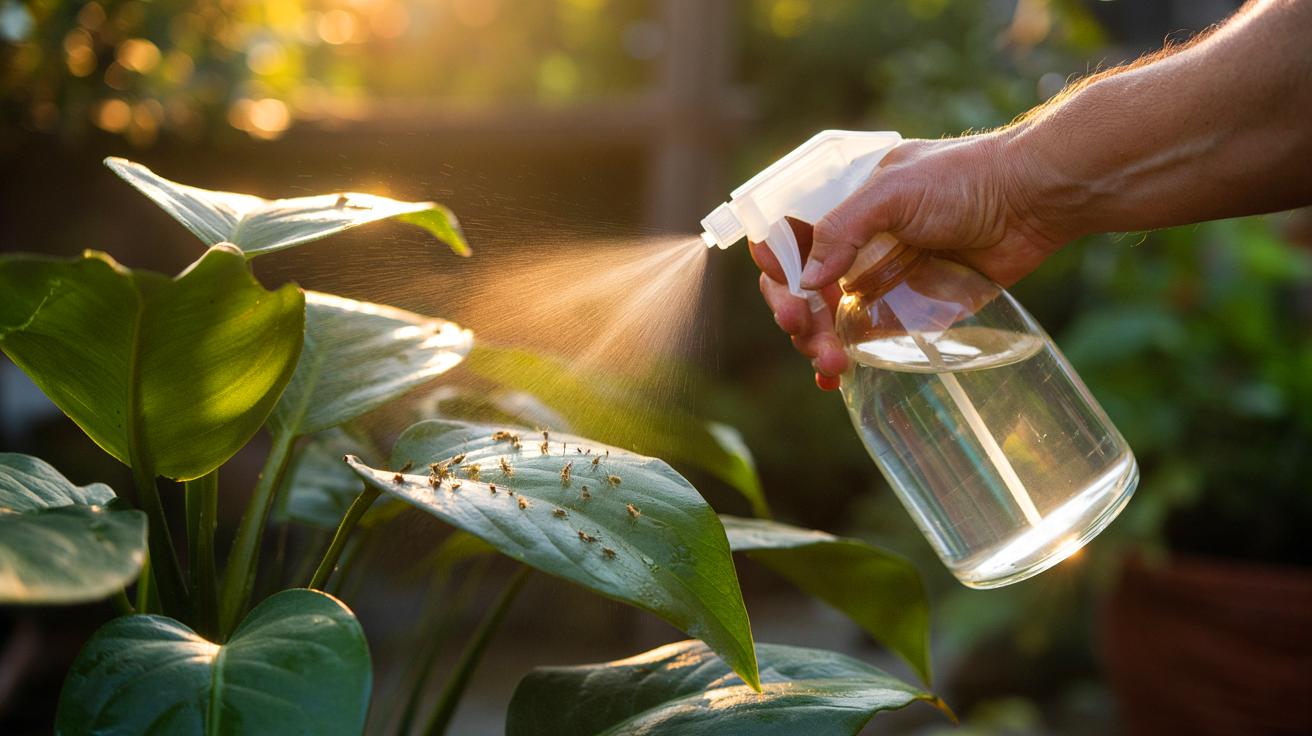
Garden forums hum with the same refrain: a humble vinegar spray can leave leaves spotless and discourage freeloading pests. It’s cheap, fast, and already in the pantry, which explains its cult following among thrifty green thumbs. But the trick isn’t the ingredient—it’s the dilution, technique, and timing. Used well, vinegar wipes away mineral spots, loosens grime, and deters some soft-bodied insects. Used badly, it can scorch. The difference between a quick shine and leaf burn is a teaspoon here, a sunny hour there. Here’s how to harness vinegar’s bite without wounding your plants—or the beneficials that keep your garden in balance.
Why Vinegar Earned a Place in the Shed
Vinegar’s power comes from acetic acid, a weak acid at household strength (around 5 percent) that dissolves mineral deposits and disrupts the waxy coatings of some pests. That makes it a double-duty helper: a cleaner for dusty, spotted foliage and a light deterrent to minor infestations. On leaves marked by hard water, a dilute wipe lifts the chalky film and restores a soft sheen. Used sparingly, it’s a tidy alternative to silicone leaf shines that can suffocate pores. For gardeners practicing integrated pest management (IPM), vinegar is a tactical tool, not a cure-all.
Limits matter. Even at kitchen strength, acetic acid can damage tender tissue, especially under hot sun. Succulents, ferns, African violets, calatheas, and newly unfurled leaves are notorious for reacting badly. Vinegar is also a poor systemic control; it won’t reach eggs inside leaf curls or under scale shells. Think of vinegar as a spot treatment and surface cleaner—effective on contact, fleeting in effect. To protect plant health, always test-spray, wait 24 hours, and work in the cool of morning or early evening.
The Recipe: Ratios, Tools, and Safe Technique
Household white distilled vinegar is best. Start mild: for routine cleaning, mix 1 tablespoon vinegar in 1 quart of distilled water. For light pest pressure, 1–2 tablespoons per quart plus 1 teaspoon mild liquid soap (as a surfactant) improves coverage. Load a fine-mist sprayer, or dip a soft microfiber cloth for a controlled wipe. Always treat undersides of leaves, where pests linger, and avoid runoff. After 20–30 minutes on sensitive plants, rinse with clean water to minimize leaf edge browning.
Label your bottle, shield your eyes, and never spray in direct sun. Ventilation helps indoors. Avoid blossoms and very young growth. If you see any puckering or dulling after a patch test, stop. For regular leaf care, a wipe beats a drench: less risk, better control. Below is a quick guide you can pin in the potting shed.
| Use Case | Ratio (Vinegar:Water) | Additives | Frequency | Notes |
|---|---|---|---|---|
| Leaf cleaning (wipe) | 1 tbsp : 1 qt | None | Monthly or as needed | Apply to cloth; avoid runoff |
| Light pest deterrent (spray) | 1–2 tbsp : 1 qt | 1 tsp mild soap | Weekly until controlled | Test first; rinse after 30 min on sensitive plants |
| Ant trails (non-plant surfaces) | 1:4 | None | As needed | Use on paths, not soil or foliage |
Pests It Helps—and Where It Falls Short
Vinegar’s acidity can disrupt aphids and whiteflies on contact, especially when paired with soap that breaks surface tension. It also helps dislodge sooty mold that grows on honeydew, revealing healthier leaves beneath. For ant trails, a stronger mix on hard surfaces erases the scent highways that shepherd sap-sucking insects back to your plants. Think: quick relief, not eradication. You’ll still need to remove heavily infested leaves and hose off colonies for lasting control.
Where vinegar falters: spider mites nestled in webbing, entrenched scale, and mealybugs hiding in leaf axils. It won’t penetrate protective coatings or eggs. Over soil, it’s a hard no—acetic acid can harm roots and beneficial microbes. For tougher enemies, rotate in horticultural soap, neem oil (per label), or isopropyl alcohol swabs for mealybug clusters. Reserve vinegar for light outbreaks and cosmetic cleanup, then escalate responsibly. This layered approach protects blooms, pollinators, and the microscopic allies that keep your ecosystem resilient.
Common Mistakes, Safety, and Eco Smarts
The biggest error is strength. Gardeners crank up the ratio, see a fast knockdown—and scorch their plants by afternoon. Another misstep: mid-day spraying. Heat plus acid equals burn. Skip blossoms and fuzzy leaves that trap droplets. Don’t use flavored or unfiltered vinegars; residues invite fungus gnats and sticky film. Never mix vinegar with bleach—chlorine gas is dangerous. Label bottles clearly, store out of reach, and wear eye protection when misting overhead leaves.
Eco-wise, treat vinegar as a pinpoint tool. Target pests, not everything that crawls. Spray only what you can see, wipe excess, and keep overspray off soil and waterways. Preserve beneficials by timing applications for dawn or dusk, when bees are less active, and by rinsing food crops before harvest. For prevention, bolster plants: bright light, steady airflow, and disciplined watering starve pests of stress cues. Strong plants need fewer sprays, vinegar or otherwise. That’s the quiet savings a healthy garden pays back every week.
A bottle of vinegar won’t replace a full pest-control arsenal, but used with intent it becomes a nimble, budget-friendly ally. Keep your mix mild, your tests diligent, and your sprays out of the noon sun. When infestations surge, step up to targeted soaps and oils, and lean on cultural fixes—clean tools, quarantined new plants, and a regular leaf check. The goal isn’t scorched-earth victory; it’s steady balance. What plants in your collection are begging for a careful trial run of the vinegar wipe, and what tweaks would you make to fit your climate and light?
Did you like it?4.5/5 (25)