In a nutshell
- 🌱 The eggshell trick creates a sharp, dry mechanical barrier that discourages slugs and snails from crossing, offering a non-toxic, budget-friendly defense.
- 🛠️ Preparation matters: rinse and bake shells, crush into coarse shards (not powder), lay a 2–3 inch continuous ring, refresh after rain, and water in the morning; use gloves and consider pet safety.
- ⚠️ Know the limits: performance drops in wet conditions or with large slugs; shells compact and lose “bite,” add calcium slowly, and aren’t ideal near acid-loving plants—treat as part of IPM, not a cure-all.
- 🧰 Layer defenses: combine eggshells with dusk hand-picking, iron phosphate bait, copper tape, strategic beer/yeast traps, habitat tweaks, and predator support for lasting protection.
- 📈 Track outcomes: monitor leaf damage weekly, prioritize high-value crops like lettuce, strawberries, and basil, and adjust tactics if barriers are breached.
They arrive after dusk, slick and silent, turning lettuce leaves into lace. Gardeners call them marauders; biologists call them gastropods. Either way, slugs and snails can devastate tender seedlings overnight. Enter a simple hack passed down between neighbors and through community plots: the eggshell trick. Save your breakfast shells, crush them, and build a scratchy moat around vulnerable plants. The idea sounds quaint, almost folkloric, yet it taps real principles of texture, dryness, and behavior. It’s not a poison, and it doesn’t rely on harsh chemicals. It’s a physical strategy that can fit into a broader, eco-minded defense plan—cheap, quick, and surprisingly satisfying to deploy.
Why Eggshells Deter Slugs and Snails
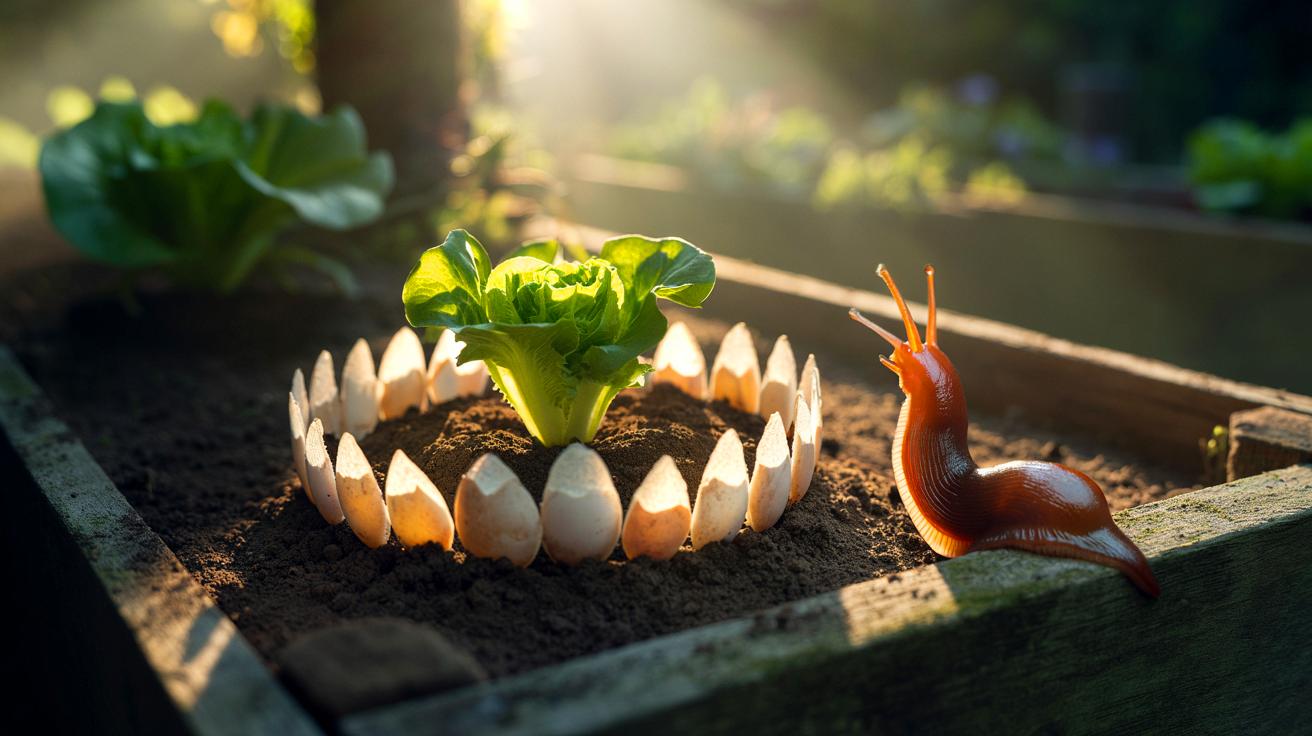
At its core, the eggshell method is a mechanical barrier. Slugs and snails explore with a delicate, mucus-lubricated foot. Sharp, irregular textures interrupt that glide. Freshly crushed shells form a gritty, jagged band—think micro-serrated gravel—that many pests avoid crossing. Eggshells are not poison; they are a tactile deterrent that makes travel uncomfortable and moisture management harder. Their dryness matters. Dry shell shards wick away slime and reduce traction, forcing gastropods to seek smoother, wetter routes. The shell’s chief ingredient, calcium carbonate, is incidental in this context. It doesn’t “melt” slugs; it merely creates an inhospitable surface.
Does every slug stop? No. Larger species with thicker mucus sometimes push through, especially after rain when shards compact. Studies and field trials are mixed: some show reduced damage, others see little change under wet, shady conditions. Yet gardeners report fewer nibbles where shells stay fresh and sharp. Birds occasionally peck the calcium, which helps keep the barrier disturbed and pointy. Key principle: texture plus dryness equals deterrence. Keep those shards coarse, not powdery, to maximize the scratch factor and avoid creating a soil amendment instead of a fence.
How to Prepare and Apply Eggshell Barriers
Start with clean, dry shells. Rinse to remove membranes, then heat for safety and crispness—15 minutes at 200–225°F on a baking sheet works. The goal is brittle shells that crush into coarse shards, roughly pea to rice size. Avoid powder; you want edges. Crush by hand in a bag or with a rolling pin. Build a continuous ring around plants, 2–3 inches wide and about half an inch deep. Leave a small gap around stems to prevent abrasion against delicate tissue. Continuity is crucial: one bridge invites a breach. Refresh after rain or heavy dew, when shards mat down, and inspect weekly during peak slug season.
| Step | Detail | Frequency |
|---|---|---|
| Cleaning & Heating | Rinse, bake 15 min at 200–225°F | One-time per batch |
| Crushing Size | Coarse shards (not powder) | Each application |
| Barrier Width | 2–3 inches around plant | Initial setup |
| Maintenance | Top up after rain; re-crush if compacted | Weekly in wet periods |
Practical tips: water in the morning so evening soil stays drier, intensifying the shell barrier. Use shells around high-value crops—lettuce, strawberries, basil—first. Keep pets from ingesting sharp shards. Wear gloves when handling coarse pieces. If you garden in slug-heavy, rainy zones, reinforce the ring with a thin band of copper tape on raised bed edges to create a dual deterrent.
Evidence, Limitations, and When It Fails
Reality check: the eggshell trick is effective under the right conditions, not all conditions. Field observations show reduced grazing when shells remain dry, coarse, and continuous. But after spring storms, shards compress, membranes rehydrate, and the “ouch” factor fades. Wet, compacted shells become a walkway, not a wall. Larger slugs, especially in marine-influenced climates, may barrel through anyway. Dense shade and constant irrigation also undermine results. And if you already have a thriving slug population, a thin ring won’t reverse an infestation overnight.
There are other caveats. Raw shells can harbor pathogens; baking mitigates that risk. Shells add calcium very slowly, which is fine for most vegetables but not for acid-loving plants like blueberries and azaleas—avoid piling shells near their root zones. Birds may scatter shells while foraging, creating gaps. Dogs might nibble, so place thoughtfully. Most important, eggshells are not a silver bullet. Consider them a component in an integrated pest management plan, not the entire strategy. If damage persists after two weeks of diligent maintenance, escalate to additional barriers or bait approved for organic gardens.
Complementary Strategies for Lasting Protection
Think layered defense. Hand-picking at dusk with a headlamp is low-tech yet potent; drop slugs into soapy water. Deploy iron phosphate bait (OMRI-listed) in pet-safe formulations to reduce populations without harming beneficials. A narrow strip of copper tape on bed edges creates an unpleasant galvanic tingle, deterring climbs. Beer or yeast traps lure slugs, but refresh often and place traps away from crops to avoid attracting more pests to the buffet line. Diversify your tools; don’t rely on one tactic.
Habitat tweaks matter. Water early morning so evening surfaces are less inviting. Thin dense groundcovers, remove slug shelters like stacked boards, and elevate ripe strawberries with clean mulch. Encourage allies—frogs, toads, ground beetles, and birds—by adding shallow water dishes, stones, and native plant borders. Consider plant choices: grow more slug-resistant herbs (rosemary, thyme) along the outer edge, placing tender lettuce and basil behind your eggshell moat. For seedlings, use temporary collars made from cut plastic bottles to shield until stems toughen. Combine these measures with eggshell rings and you build a resilient, low-chemical system.
Used wisely, crushed eggshells become more than kitchen scrap; they’re a tactile message to soft-bodied trespassers: not welcome here. They’re cheap, accessible, and easy to refresh, especially when paired with smart watering and nighttime patrols. Treat eggshells as a flexible line of defense, not magic dust. Observe, adjust, and layer tactics until the nibbling stops. What combination—eggshell rings, copper edges, iron phosphate, or habitat tweaks—will you test first in your beds this season, and how will you track what truly works in your microclimate?
Did you like it?4.7/5 (21)