In a nutshell
- 🧪 Dish soap acts as a contact insecticide and surfactant, spreading over soft-bodied pests to disrupt membranes; it kills on contact and leaves minimal residue.
- 📏 Safe mixing matters: typical rates are 0.5–1.0% (start low, spot-test), up to 2% for hot spots; spray early or late, and ensure full underside coverage.
- ⚠️ Not all soaps are equal—prefer insecticidal soap; household formulas can cause phytotoxicity. Use soft water, avoid mixing with sulfur or oils, and calibrate sprayers.
- 🐞 Effective on aphids, spider mites, whiteflies, thrips nymphs, and mealybugs, but weak on eggs and hard-bodied pests; protect beneficial insects and fold into IPM with spot-sprays and scouting.
- 🌱 Low-cost and quick-turnaround with potential OMRI-listed options for organic use; a light environmental footprint but requires vigilant monitoring to maintain control.
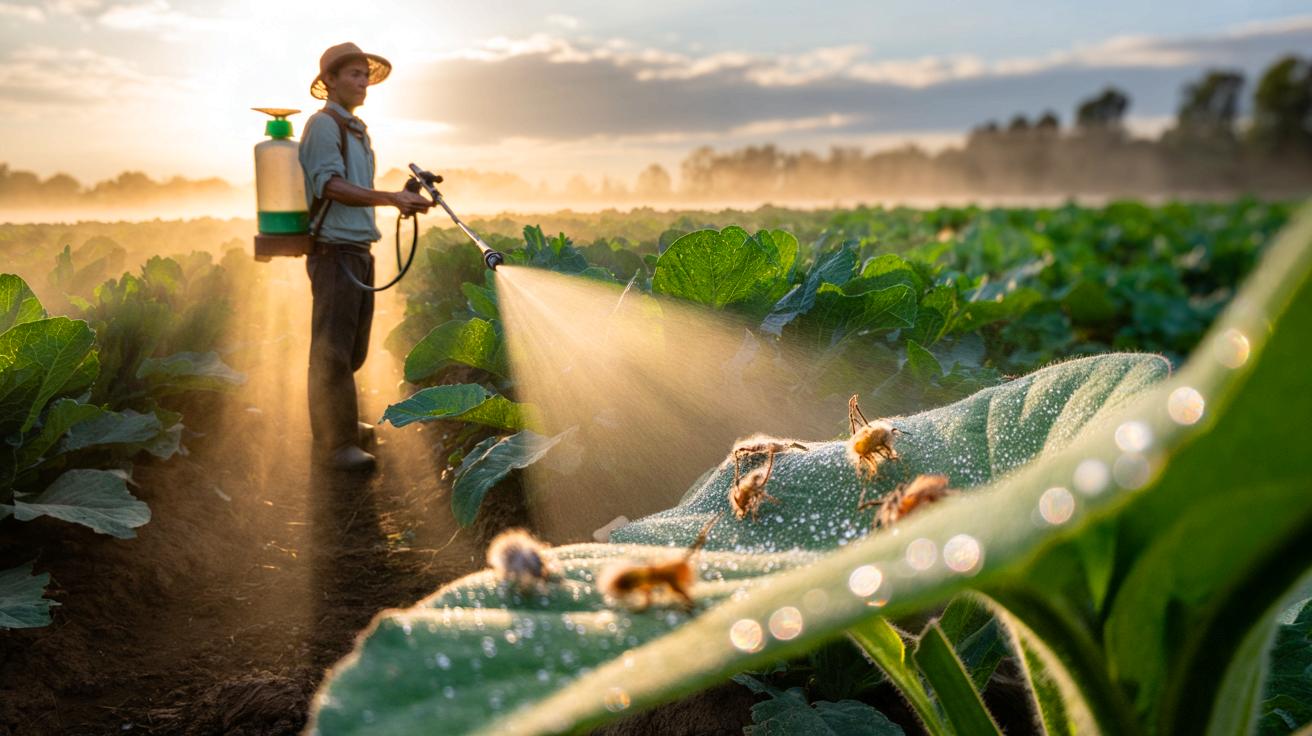
On small vegetable plots and commercial farms alike, a humble jug under the kitchen sink is pulling overtime. Many growers reach for diluted dish soap to quiet aphids, mites, and whiteflies without spraying conventional pesticides. It’s not magic; it’s chemistry and timing. Soap is a surfactant, and that matters. Used carefully, it can save fragile seedlings and protect market-ready greens. Used carelessly, it can burn leaves and anger beneficial insects. The trick is precision: right soap, right dilution, right moment on the right pest. Farmers have known versions of this for generations. Now, as consumers demand fewer residues, the practice is resurfacing with fresh data and clearer guardrails.
Why Soap Works on Soft-Bodied Pests
Dish soap solutions function as a contact insecticide. The molecules reduce surface tension, helping the spray spread across an insect’s body and into spiracles. On soft-bodied pests—aphids, spider mites, whiteflies, thrips, mealybugs—soap disrupts the protective cuticle and interferes with cell membranes. The result is desiccation and suffocation within minutes. Soap kills on contact and leaves almost no residual activity, which is a plus for harvest timing and worker safety, but it also means reinfestations can appear if scouting lapses.
There’s an important distinction: commercial insecticidal soaps are made from potassium salts of fatty acids curated for plant safety. Many dish soaps include degreasers, dyes, and fragrances. Those extras can cause phytotoxicity, especially under heat or intense sun. Farmers using household products mitigate risk by testing on a few leaves and choosing unscented, dye-free formulas. Not all soaps are equal in the field. In general, softer water and mild, simple formulations improve efficacy while reducing burn. Think of soap sprays as a scalpel, not a sledgehammer—precise, fast, and unforgiving if misused.
How Farmers Mix and Apply Soap Sprays
Growers talk in percentages. For field edges or hoop-house greens, a 0.5–1.0% solution is common: roughly 2–4 teaspoons of soap per quart of water, or 1–2.5 tablespoons per gallon. High-pressure infestations sometimes push to 2%, but the risk of leaf burn climbs. Always start low, spot-test, and scale only if plants show no injury after 24–48 hours. Use cool, clean water. Hard water binds fatty acids and weakens the mix, so some farmers add a small amount of vinegar to reach pH ~6.5–7, or they use rain or RO water. Coverage matters more than volume. Mist the undersides of leaves where pests feed and hide.
Ideal timing is early morning or late afternoon when stomata are open and temperatures are moderate. Avoid heat waves. Reapply at 4–7 day intervals until counts drop. Rinse residue off tender crops if a shine appears. Keep records: pest pressure, weather, and leaf response tell you when to stop or step up. Below is a quick field guide to rates.
| Purpose | Soap Ratio (v/v) | Notes |
|---|---|---|
| Light maintenance spray | 0.5% (1 tsp/qt; 2.5 tsp/gal) | Spot-test on tender leaves; good for seedlings |
| Active infestation | 1.0% (2 tsp/qt; 1–1.5 tbsp/gal) | Ensure full underside coverage; reapply in 4–5 days |
| Severe hot spots | 2.0% (4 tsp/qt; ~2.5 tbsp/gal) | High burn risk; test first, avoid heat/sun |
Never mix with sulfur, oils, or bicarbonates unless a label permits. Such combinations can scald leaves. Calibrate sprayers to fine droplets, and keep agitation gentle to limit foam.
What It Works on—and What It Doesn’t
Soap is a star against aphids, spider mites, whiteflies, thrips (nymphs), and mealybugs. It helps knock back soft scales when crawlers are active. Because the mode is contact, it misses hidden stages: eggs, pupae, and anything tucked deep in leaf curls or soil crevices. Soap does not translocate inside plants. Expect uneven results on hard-bodied beetles, adult leafhoppers, or thick-waxed pests. Caterpillars may be stunned but rarely controlled reliably unless they’re very small and exposed.
Soap also doesn’t discriminate. It can harm delicate beneficial insects like lacewing larvae and predatory mites if they’re hit directly. Farmers mitigate by scouting first, then spot-spraying only infested plants and edges, leaving refuges for natural enemies. They also alternate tactics: physical removal, reflective mulches that confuse whiteflies, row covers for seedlings, and trap crops to draw aphids. Integrated pest management, not soap alone, keeps pressure below economic thresholds. When pest counts crash, the sprayer rests—preventing resistance isn’t the goal here, but preserving beneficials and plant health is.
Costs, Certification, and Environmental Footprint
One draw is cost. A gallon of basic dish soap can service many beds at sub-penny-per-square-foot rates, and the labor is familiar: mix, spray, scout, repeat. Commercial insecticidal soap concentrates cost more up front but deliver consistent chemistry and clearer labels. For certified organic farms, that label matters. Not all dish soaps meet organic standards; inspectors typically require OMRI-listed products or documented approval. Growers operating in community-supported agriculture programs often choose certified products for uniformity and audit readiness.
Environmental footprints are relatively light. There’s little residue and a short pre-harvest interval, often effectively zero. Still, high-concentration runoff can stress aquatic life, and foam can be an eyesore near drains. Keep sprays plant-targeted and avoid overflows. Worker safety protocols are straightforward: gloves, eye protection, and hand-washing. Another advantage is compatibility with quick harvest cycles; salad mix cut this morning can be sold tonight. The tradeoff is diligence. Because soap doesn’t persist, success hinges on vigilant monitoring and fast follow-up. In a warm greenhouse, missing a day can erase a week’s gains.
Farmers have always blended thrift with ingenuity, and the dish soap spray is that ethic in a bottle. It’s fast, cheap, and—when used with care—remarkably effective on the soft-bodied pests that most often sink yields. The caveats are real: product choice matters, water quality matters, and timing is everything. Think of soap not as a cure-all, but as a nimble tool in a broader IPM kit. As climate swings remap pest calendars, will more growers lean on this simple chemistry, or shift to novel biocontrols and high-tech scouting to keep fields clean without conventional pesticides?
Did you like it?4.6/5 (27)