In a nutshell
- 🌿 Baking soda raises leaf surface pH to deter powdery mildew, working best as a preventive and early-intervention shield rather than a cure.
- 🧪 DIY recipe: per gallon, mix 1 tbsp baking soda + 1/2–1 tsp mild soap + 1 tbsp horticultural/neem oil; make small batches, use the same day, and shake often.
- 🕗 Application tips: spray mornings or dusk, coat both sides of leaves, repeat weekly and after rain; do a test spray, avoid heat, and prioritize coverage over concentration.
- 🌬️ IPM essentials: improve airflow, space plants, water at the base, remove infected leaves, choose resistant varieties, and avoid sulfur–oil overlaps and sodium buildup.
- ⚖️ Limits and alternatives: watch for phytotoxicity; consider potassium bicarbonate or biologicals if pressure is high—this $1 method is budget-friendly support, not a standalone cure.
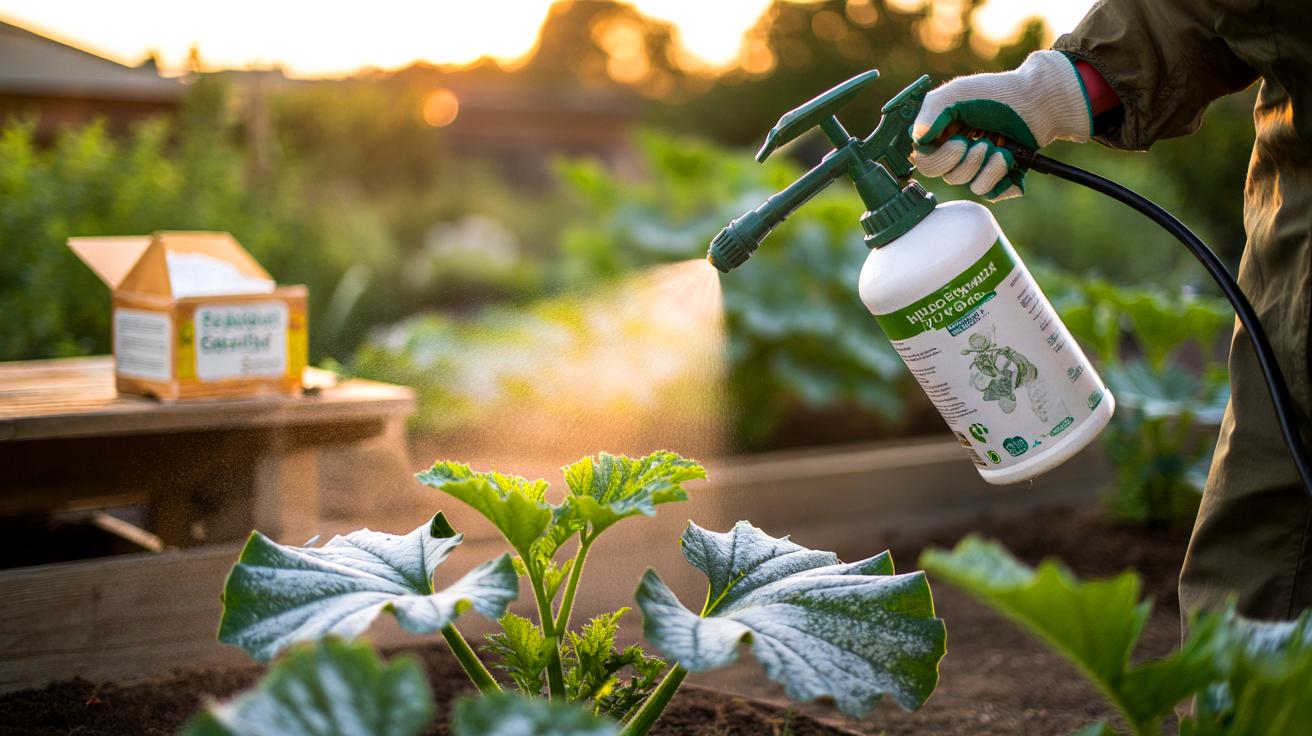
The white, talc-like dust on zucchini leaves and rose buds has a name—and a habit: powdery mildew loves crowded plants and dry days followed by cool nights. Gardeners fight it with pricey sprays, yet a frugal fix sits in most pantries. For about a dollar, plain baking soda can disrupt mildew’s grip, protecting foliage while sparing beneficial insects and your budget. The method isn’t magic, but it is practical, quick to mix, and easy to apply. Used consistently, it prevents outbreaks before they blanket your beds. Here’s how the chemistry works, what to mix, when to spray, and how to avoid common mistakes.
Why Baking Soda Deters Mildew
Powdery mildew spores prefer slightly acidic leaf surfaces. Baking soda (sodium bicarbonate) nudges that micro-environment in the opposite direction. By raising surface pH, it creates conditions where spores struggle to germinate and fungal threads can’t expand freely. This isn’t a systemic cure; it’s a protective shield that inhibits new growth of the pathogen on the leaf exterior. Add a dash of mild soap, and the solution spreads uniformly, clinging to the cuticle. Blend in horticultural oil and you enhance contact action, smothering exposed spores while improving coverage. Think of it as a thin, unfavorable film the fungus can’t tolerate.
Plant pathologists and university extension trials echo a key truth: the bicarbonate trick is strongest as a preventive and early-intervention tool. It slows disease pressure, especially on cucurbits, roses, zinnias, and phlox, when the first faint white patches appear. In head-to-head tests, potassium bicarbonate often outperforms sodium bicarbonate, but it costs more—hence the enduring appeal of the $1 box. Expect visible suppression, not perfection. Under heavy disease pressure or in tight, shaded plantings, you’ll need cultural fixes—airflow, sanitation, and smarter watering—to make the chemistry count. Spray early, spray evenly, and support it with good garden hygiene.
Mixing the $1 Spray
The core recipe is beautifully simple: per gallon of water, dissolve 1 tablespoon baking soda and 1/2–1 teaspoon mild liquid soap (castile or a gentle dish soap without degreasers or bleach). For added punch, include 1 tablespoon horticultural oil or neem oil. For small batches, use 1 quart water with 1/4 teaspoon baking soda, a few drops of soap, and up to 1 teaspoon oil. Stir until the crystals disappear. Use lukewarm water for faster dissolution and keep the mix agitated during spraying to prevent separation. Do not exceed these rates—stronger isn’t safer.
| Batch Size | Baking Soda | Soap | Oil (optional) | Use-By |
|---|---|---|---|---|
| 1 gallon | 1 tbsp | 1/2–1 tsp | 1 tbsp | Same day |
| 1 quart | 1/4 tsp | 3–5 drops | 1 tsp | Same day |
Mix only what you’ll use, as soap and oil can separate and efficacy declines on standing. Pour into a clean pump or trigger sprayer with an adjustable nozzle. Label the bottle and store it away from sun and heat if you pause briefly during the day. Always shake before every pass to keep coverage consistent. Cost per gallon? Pennies—typically under a dollar, even with oil.
How and When to Apply
Timing matters. Spray in the early morning or near dusk when temperatures sit below the mid-80s°F and leaves won’t scorch. Begin at the first hint of powdery blotches or, ideally, just before your garden’s usual outbreak window. Drench both sides of leaves until they glisten—especially the undersides and inner canopy where humidity lingers. Coverage beats concentration. Repeat weekly, and again after heavy rain or overhead irrigation. In dry climates with nightly cool-downs, a 5–7 day interval keeps the film intact during the peak threat.
Before treating an entire bed, perform a test spray on a few leaves and wait 24–48 hours to check for leaf spotting or burn. Some plants—tender ornamentals, new transplants, water-stressed foliage—can be more sensitive. Avoid blasting the mix into soil; consistent foliar drenching with sodium can accumulate salts over time. Pair the spray with integrated pest management (IPM) basics: prune for airflow, space plants generously, water at the base in the morning, remove heavily infected leaves, and avoid nitrogen surges that push soft, mildew-prone growth. Rinse edible leaves before harvest if a soapy taste is a concern.
Safety, Limits, and Smart Alternatives
Bicarbonate is low-toxicity, but it’s not consequence-free. Overuse or midday applications can cause phytotoxicity: leaf speckling, bronzing, or crisped margins. That risk rises with heat, drought stress, or high soap rates. When in doubt, dilute and re-test. Do not tank-mix with sulfur products, and avoid applying oils within about two weeks of sulfur to prevent burn. Keep sprays off open blooms where soap and oil may mar petals. If the disease is raging or weather heavily favors mildew, consider stepping up to a labeled potassium bicarbonate fungicide—often more rapidly curative.
Equally vital are cultural tactics that reduce humidity and leaf wetness duration. Thin dense canopies, stake vines, and direct irrigation to roots, not foliage. Choose resistant varieties for cucumbers, squash, and roses when possible. Sanitize pruners and dispose of infected debris in the trash, not the compost, if your pile runs cool. Some gardeners rotate with neem oil or biologicals (like Bacillus-based products). Milk sprays have their fans but can be inconsistent and odorous in heat. The bottom line: the $1 baking soda trick shines as part of a layered, preventive plan, not as the lone line of defense.
In a season of tight budgets and wilder weather, small, smart habits can protect your harvest without drenching beds in harsh chemistry. A dollar’s worth of baking soda, used thoughtfully, buys time, resilience, and fewer ruined leaves. The trick is consistency: light, regular coats paired with airflow and sanitation. If you try the recipe, keep notes on timing, rates, and plant response so you can fine-tune through the season. What will your first test be—roses on the patio, or the squash vines that always get hit by midsummer?
Did you like it?4.6/5 (24)