In a nutshell
- 🧪 The science: crushed eggshells are ~95% calcium carbonate, releasing slow-release calcium that strengthens cell walls, cuts risks like blossom-end rot, and offers micro-scale pH buffering that favors beneficial microbes.
- 🛡️ Better protection: a sharp, gritty mechanical barrier deters slugs and snails while sparing beneficial insects; unlike broad-spectrum sprays, it avoids leaf burn, toxin residue, and predator collapse.
- 🛠️ Practical use: rinse, dry, bake, then crush—fine powder for nutrition, coarse flakes for barriers; mix into soil or ring plants and refresh after rain, with a caution for acid-loving plants that prefer lower pH.
- 💰 Cost and ecology: near-zero, low-cost input that reduces waste, leaves inert residues, and offers longer longevity than many store sprays, with minimal risk to pollinators and soil life.
- 🌱 Garden strategy: pair eggshells with compost, mulch, and steady watering to build resilience; use chemicals only for true outbreaks in a regenerative strategy that strengthens plants over time.
Gardeners are embracing a humble, kitchen-born ally: crushed eggshells. The shift isn’t just thrifty. It’s science-driven. Researchers studying plant pathology and soil chemistry have shown that eggshells do more than distract pests—they strengthen plants and stabilize the microscopic world around roots. As store aisles fill with glossy bottles promising instant results, quiet evidence accumulates for a slower, smarter fix that nurtures resilience from the ground up. Crushed eggshells create a multi-mode defense—nutrition, pH buffering, and abrasion—without collateral damage. The result is protection that lasts, benefits that stack across seasons, and less risk to bees, predators, and soil life. Here’s how it works, and how to make it work for you.
The Science Inside Eggshells
Shell by shell, the chemistry adds up. Chicken eggshells are roughly 95% calcium carbonate (CaCO3), with a protein-rich membrane and traces of magnesium and phosphate. In soil, organic acids from roots and microbes slowly dissolve that carbonate, releasing slow-release calcium. Those Ca²⁺ ions fortify cell walls and improve membrane function, helping plants limit water loss and resist opportunistic pathogens. It’s why calcium management is central in stopping issues like blossom-end rot in tomatoes and peppers. Unlike soluble salts that wash away, ground shells persist, feeding the rhizosphere on a steady schedule plants understand.
There’s also a quiet microbial story. The shells’ porous microstructure creates tiny surfaces where beneficial bacteria can adhere. Localized pH buffering around each fragment nudges the microzone slightly less acidic, a condition that can discourage some fungal spores from germinating on leaf litter beneath plants. This isn’t a silver bullet; it’s a systems tool that shifts odds toward plant health. Combined with compost and mulch, eggshell fragments gradually knit into soil aggregates, improving texture while they release plant-available calcium over months, not minutes.
Physical Barriers Beat Chemical Shortcuts
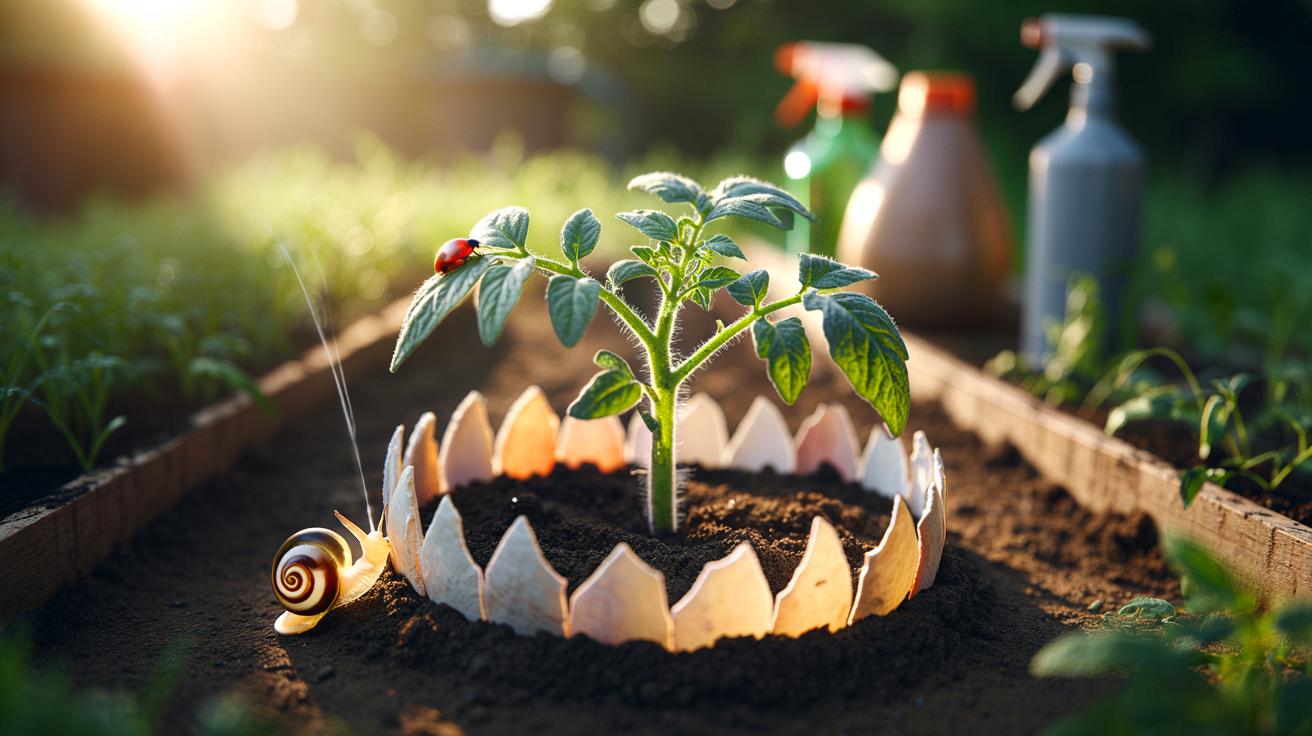
People reach for sprays to stop chewing and sap-sucking pests, but fast knockdowns come with trade-offs. Oils can burn leaves on hot days. Pyrethroids and broad-spectrum insecticides depress predators that keep aphids and mites in check, while copper-based fungicides accumulate in soil. Store-bought sprays often trade short-term knockdown for long-term ecosystem costs. Crushed eggshells, by contrast, add a mechanical barrier to the soil surface that soft-bodied pests dislike crossing. Slugs and snails slide less confidently over sharp, angular grit; the ring also dries quickly, reducing the moist microclimate they prefer.
Is it perfect? No. After heavy rain, refresh the ring and combine it with good sanitation and traps. But the barrier is only half the story. While it deters, it also nourishes. The calcium and buffering reduce plant stress, and less-stressed plants emit different volatiles that can make them harder targets for certain herbivores. Because the shell pieces don’t poison anything, beneficial insects—ground beetles, rove beetles, lacewings—keep patrolling. Over weeks, protection becomes cumulative: stronger tissue, fewer pest-friendly niches, and allies left alive to work.
How to Prepare and Apply Crushed Eggshells
Start simple. Rinse shells to remove residue, then dry. Bake at about 200°F (93°C) for 10–15 minutes to sanitize and make them brittle. For soil nutrition, grind to a fine powder using a mortar, rolling pin, or an old coffee grinder. For pest rings, keep a coarser crush—jagged flakes deter better. Always allow shells to dry thoroughly; damp shells attract smells and scavengers.
Application is easy. For new plantings, mix 1–2 tablespoons of eggshell powder per gallon of potting mix, or scratch in 1 cup per 10 square feet in garden beds. For protection at the soil surface, lay a 1–2 inch wide band of coarse shells around stems, leaving a small gap so stems don’t stay damp. Refresh after storms or heavy irrigation. For tomatoes and peppers, add a small handful of fine powder to the planting hole and water deeply—consistent moisture helps calcium move into fruit tissue. Note: avoid heavy use around acid-loving plants like blueberries and azaleas, where raised pH can be counterproductive.
Cost, Safety, and Impact at a Glance
Eggshells shine where budgets, pollinators, and soil life matter. They reduce packaging waste, cut household trash, and shift the garden’s protection strategy from reactive to regenerative. The comparison below highlights why many horticulturists now recommend eggshell amendments as a baseline practice, reserving store remedies for true outbreaks.
| Factor | Crushed Eggshells | Store Sprays |
|---|---|---|
| Upfront Cost | Near zero (household waste) | $10–$25 per bottle |
| Primary Mechanism | Physical barrier + slow-release calcium + pH buffering | Neurotoxic/antifeedant/fungicidal actives |
| Effect on Beneficials | Minimal disruption | Often harmful to predators and pollinators |
| Residue and Drift | Inert carbonate fragments | Potential leaf burn, environmental drift |
| Longevity | Months (gradual breakdown) | Days to weeks (reapplication needed) |
For long-term soil health, inert, mineral-based inputs are easier to live with than repeated chemical blasts. Add compost and mulch, and let eggshells serve as your steady baseline: protection that toughens plants, not the food web. The operating principle is simple and powerful—support the biology that supports the garden, and lean on chemicals only as a last resort.
In the end, a bowl of breakfast remnants becomes a durable ally. Crushed eggshells deliver incremental gains—a little barrier today, a little calcium tomorrow, a slightly friendlier pH for microbes all season. They don’t dazzle like a glossy spray, but they often outperform over time because they solve the garden’s real problem: fragility. Applied thoughtfully and refreshed after rain, they stack with compost, mulch, and smart watering to build resilience from root to leaf. Ready to try the slow, strong approach and see what changes—in pest pressure, plant vigor, and harvest quality—in your own beds?
Did you like it?4.5/5 (28)