In a nutshell
- 🌿 Build a living pest barrier with mint and basil; their aromatic oils (menthol, eugenol, linalool) confuse pests while attracting beneficial insects.
- 🧭 Plan smart: place mint along borders in containers to control spread, position basil near vulnerable crops, and orient plantings upwind with good sun and airflow.
- 🛠️ Plant and maintain: enrich soil, stagger spacing to close gaps, pinch basil for bushy growth, harvest mint weekly, mulch, add compost, and reset edges after storms.
- 🧪 Use trimmings for a DIY repellent spray: steep crushed leaves, add a drop of mild soap, spot-test, spray evenings, reapply after rain, and reuse spent leaves as fragrant mulch.
- 📈 Expect fewer aphids, whiteflies, spider mites, and mosquitoes while boosting pollinators—an affordable, chemical-light strategy that thrives on consistent aroma and tidy edges.
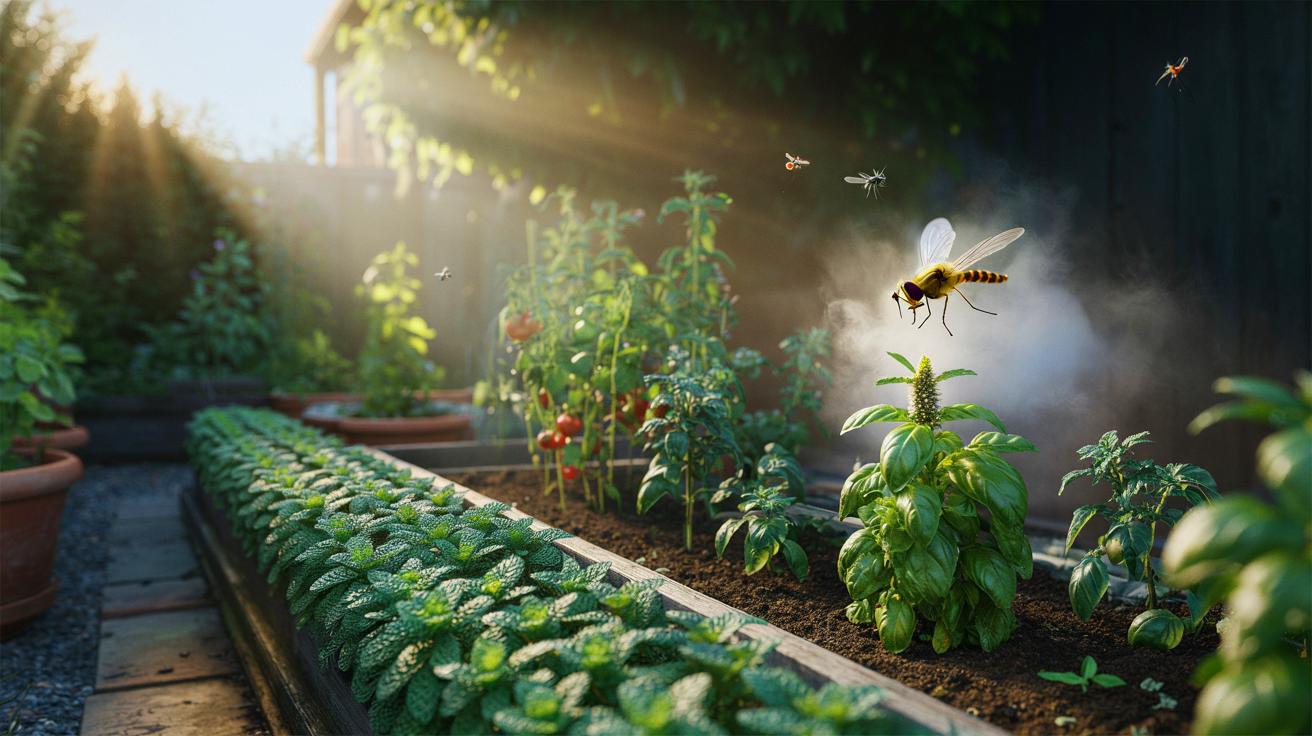
Forget harsh sprays and mystery pellets. A smarter garden defense sits right in the herb bed, where mint and basil broadcast aromatic signals that keep opportunistic insects at bay while leaving pollinators to work. Their leaves brim with volatile oils; a breeze turns those oils into a protective halo. It’s tidy. It’s fragrant. It’s affordable. With a little planning, you can steer aphids off lettuce, slow whiteflies on peppers, and blunt mosquito hangouts near seating areas. Think of these herbs as a living fence: dynamic, self-healing, and always on patrol. Here’s how to position, plant, and maintain a natural pest barrier that looks as good as it performs.
Why Mint and Basil Repel Pests
The science is simple and elegant. Mint carries menthol and pulegone; basil offers eugenol and linalool. These aromatic compounds confuse pest antennae, scramble feeding cues, and mask the scent of nearby crops. When the air is rich with herb volatiles, insects have trouble locating a host. You’re not poisoning anything; you’re changing the conversation in the air. That makes mint and basil a favorite line of defense in small spaces and urban beds where drift from chemical inputs is a concern.
Different pests respond to different notes. Mosquitoes detest mint’s sharp profile, while aphids and spider mites avoid basil’s sweet-clove edge. Tomato hornworms? They’ll think twice around a dense basil planting. By pairing distinct aromas, you create overlapping protective zones. Gardeners notice fewer scouting insects settling in, which lowers the chance of a later outbreak. The barrier isn’t absolute, but it is persistent, renewable, and resilient after rain.
There’s a bonus: the same oils attract allies. Hoverflies hunting aphids and parasitic wasps targeting caterpillars often visit herb blooms for nectar. Companion planting with mint and basil can therefore reduce pressure while boosting beneficial activity. Aim for steady fragrance, not occasional bursts; consistency beats drama.
Planning Your Living Barrier
Start with layout. Use mint along borders that meet walkways, patios, or fence lines, where its scent can drift across beds and seating. Keep basil closer to vulnerable crops—tomatoes, peppers, cucumbers—forming a breathable inner ring. Plan for airflow and sun, because aromatic oil production spikes in warm, bright conditions. Place plants upwind of your most tender greens if prevailing breezes are predictable. In small yards, alternating mint and basil every 18–24 inches builds a continuous aromatic band.
Containment is crucial. Mint creeps. Plant it in bottomless buckets sunk into the soil, long window boxes, or terra-cotta pots staged along the bed edge. Basil stays put but needs at least six hours of sun and consistent moisture. Think maintenance. You’ll harvest leaves frequently to keep oils high; that same routine keeps the shape tidy. Set irrigation to deliver steady moisture without wetting foliage at dusk, reducing disease while preserving perfume.
| Pest Pressure | Herb Choice | Placement Tip | Companion Benefited |
|---|---|---|---|
| Aphids, whiteflies | Basil (Genovese, Thai) | Inner ring near crop stems | Tomatoes, peppers |
| Mosquito hangouts | Mint (Peppermint, spearmint) | Border by seating and paths | Gardeners and guests |
| Spider mites | Basil dense blocks | Upwind of susceptible leaves | Cucumbers, beans |
Planting and Maintenance Steps
1) Prep the strip. Loosen soil 8–10 inches deep, add compost for drainage and nutrients. 2) Place containers of mint along the border every 16–24 inches; sink pot rims flush with soil to hide hardware. 3) Tuck basil transplants inside the border, offset in a zigzag to reduce gaps. Gaps are where pests slip through, so plant for overlap. Water in thoroughly, then mulch lightly with shredded leaves or straw to stabilize moisture and moderate soil temperature.
Pinch basil early and often. Removing the top two sets of leaves encourages branching, which thickens the scent wall. Harvest mint weekly to prevent lanky runners and stimulate new, oil-rich growth. Do not let mint run to flower if you’re battling mosquitoes; leafy growth is more aromatic. If flowers are welcome for pollinators, stagger trims so fragrance never dips across the entire barrier at once.
Every three to four weeks, add a handful of compost around basil and refresh the mulch. Replace aging mint pots yearly to keep vigor high. Watch the line after storms; recompact mulch and reposition containers if wind shifted them. Consistency matters. A tidy, replenished edge keeps the chemical conversation loud enough to matter.
Making Quick Repellent Sprays From Trimmings
Turn routine harvests into a supplemental shield. Fill a jar with one cup of crushed mint and one cup of crushed basil leaves, then pour in a quart of hot (not boiling) water. Steep 12–24 hours, strain, and add one or two drops of mild, biodegradable soap to help the solution cling. Always spot-test on a few leaves and wait 24 hours before broad application. Some plants are sensitive, especially under midday sun.
Spray the tea on fence posts, bed edges, and the outer leaf surfaces of non-blooming plants in the evening when pollinators are inactive. Focus on entry points: the first foot of foliage above soil, trellis bases, and undersides of leaves where whiteflies congregate. Reapply after rain or every three to five days during peak pressure. This is not a cure-all; it’s a nudge that strengthens the living barrier.
Use the spent leaves as mulch plugs around the border. As they dry, they continue releasing fragrance, then feed soil life. Nothing wasted: every trim reinforces the perimeter. If heat is extreme, dilute the spray 1:1 with water and shorten exposure by rinsing plants the next morning. Results improve when the spray supports, rather than substitutes for, dense plantings.
When mint and basil pull double duty—culinary staples and quiet sentinels—gardens feel calm yet prepared. The method scales: a balcony rail planter, a townhouse bed, a sprawling backyard. Keep the aroma consistent, the edges neat, and the airflow clear, and watch pest scouting drop while harvests rise. By choosing plants that speak the language of insects, you change the terms of engagement in your favor. What border will you design first, and where will your living fence make the biggest difference this season?
Did you like it?4.4/5 (22)