In a nutshell
- 🌾 Use rice water to gently feed soil microbes, improve moisture distribution, and support steady growth—expect subtle, cumulative gains rather than instant results.
- 🧪 Collect only unsalted, unseasoned rinse water, dilute 1:1, water every 2–4 weeks, store in the fridge up to 3 days, and let it warm slightly before use.
- 🌿 Best for tropical foliage (pothos, philodendron, monstera); avoid for succulents and cacti, and use extra dilution for sensitive orchids; monitor for smell or residue.
- ⚠️ Biggest risks: salt, oils, and overuse; consider safer alternatives like unsalted pasta/veg water, eggshell tea, or freshwater aquarium water; skip coffee grounds and sugary “teas.”
- 🪴 Practical care: improve airflow, bottom-water to deter fungus gnats, let soil dry appropriately, and favor small, consistent inputs paired with good light and drainage.
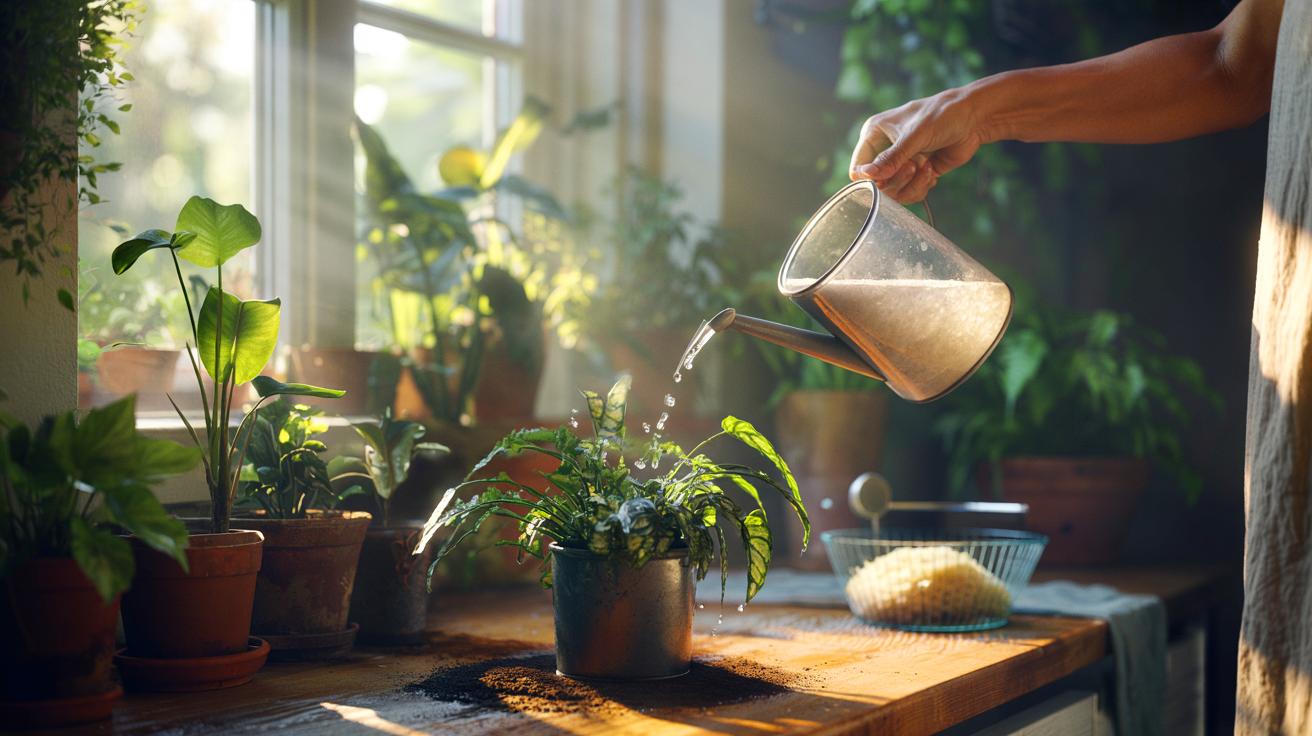
Before you order pricey fertilizers, check your sink. One of the most effective, no-cost boosters for houseplants is hiding in plain sight: the leftover liquid from your cooking and rinsing routine. Home growers swear by rice water and other gentle kitchen byproducts to nudge growth, green up leaves, and support the living soil that powers healthy pots. It’s not magic. It’s micro-biology and smart hydration. Done right, this simple habit can turn a watering day into a nurturing ritual that feeds roots steadily without burning them. Done wrong, it can invite pests and funk. Here’s how to keep the wins and ditch the risks.
Why Rice Water Works for Houseplants
Think of rice water as a soft nudge, not a jolt. When you rinse rice, tiny amounts of starch, trace minerals, and B-vitamins suspend in the water. That mild carbohydrate cocktail becomes food for beneficial soil microbes, which in turn unlock nutrients for your plants. Healthier microbes. Happier roots. Greener leaves. The effect is gentle and cumulative rather than dramatic, so you won’t see overnight transformation, but you can expect sturdier growth, improved moisture retention, and a subtle shine to foliage over time.
There’s a second advantage: texture. Slightly starchy water clings to potting mix, distributing moisture more evenly through the root zone. That helps prevent the classic problem of water rushing down the sides of a dry pot and leaving the core parched. Used in moderation, rice water supports the ecosystem in your planter rather than overwhelming it. It’s a sustainable habit, too. Instead of dumping rinse water down the drain, you’re closing a small loop at home.
How to Collect, Dilute, and Store It
Rinse one cup of rice in a bowl with two cups of tap or filtered water, swish for 20–30 seconds, and strain into a clean container. That cloudy liquid is your base. Always use unsalted, unseasoned water—no oil, no butter, no spices. If you cooked rice, you can also use the first cooking water as long as it contains zero salt. When in doubt, skip it.
For most houseplants, dilute at least 1:1 with plain water before use. Mark your watering can and stick to a routine: every two to four weeks during active growth, less in winter. Start small—one plant, one month—and watch for response. Leaf color deepening? New growth tips? Good signs. Any sour smell or fungus gnats? Pause and reassess.
Storage matters. Keep rice water in the fridge for up to three days in a sealed jar. Discard if it turns fizzy or smells yeasty. Never store at room temperature; fermentation can leap from helpful to harmful fast. Before watering, let the jar sit on the counter 15 minutes so it’s not ice-cold on roots.
Which Plants Benefit Most—and Which Don’t
Most tropical foliage plants welcome the gentle boost. Think pothos, philodendron, monstera, peperomia, calathea, and ferns. Semi-thirsty bloomers such as peace lily and begonia often show brighter leaves with periodic rice-water hydration. Herb fans report steady, compact growth on indoor basil and mint, provided the potting mix drains well.
Use caution, though. Succulents and cacti don’t need extra starch or frequent moisture; they prefer lean, fast-draining conditions. Water these with plain water only, and sparingly. Sensitive epiphytes like orchids and tillandsias may also dislike residues that can cling to aerial roots; if you experiment, dilute more (1:3) and test on one plant. If your potting mix already contains slow-release fertilizer, reduce rice-water frequency to avoid tipping the microbial balance. Watch the soil surface: a persistent film or musty odor means you’re overdoing it.
Common Mistakes and Safe Alternatives
Most problems come from seasoning and frequency. Salt is the plant killer in many kitchen leftovers. Pasta or potato water works well only if absolutely unsalted and fully cooled. Coffee grounds? Too acidic and mold-prone for most indoor pots; compost them first. Sweet banana “tea” attracts gnats. If rice water isn’t your thing, try gentle alternatives that keep risk low and benefits steady.
| Leftover | Main Benefit | How Often | Key Caution |
|---|---|---|---|
| Rice water (rinsing water) | Feeds soil microbes; even moisture | Every 2–4 weeks | Refrigerate; use unsalted; dilute 1:1 |
| Unsalted pasta/veg water | Trace minerals; mild carbs | Monthly | Zero salt or oil; cool completely |
| Eggshell “tea” (steeped shells) | Calcium for new growth | Every 6–8 weeks | Rinse shells; avoid odor; strain well |
| Aquarium water (freshwater) | Nitrogen-rich dilution | Every 4–6 weeks | No saltwater; watch for algae spores |
Whatever you choose, keep pots clean, improve air flow, and water by need, not schedule. If you see fungus gnats, let soil dry deeper, bottom-water, and add a top dressing of coarse sand. Small, consistent inputs beat occasional heavy feeds. Your plants will tell you what’s working—if you watch closely.
There’s satisfaction in turning rinse water into green life. It’s frugal, gentle, and surprisingly effective when paired with bright light and good drainage. Start with rice water, keep it dilute, and listen to your plants’ feedback. If leaves perk up and color returns, you’ve found your rhythm. If not, pivot to one of the safe alternatives and tighten your watering habits. Houseplant care is a conversation, not a lecture. What leftover from your kitchen will you try first, and which plant will be your test case?
Did you like it?4.7/5 (20)