In a nutshell
- 🔬 Cooling cooked rice promotes retrogradation, forming resistant starch (RS3) that reduces digestible calories and softens the glycemic response.
- 🧊 The method: cook as usual, cool quickly, refrigerate 12–24 hours, then reheat thoroughly to 165°F (74°C)—RS3 remains fairly heat-stable.
- 🛡️ Safety matters: prevent Bacillus cereus risks by refrigerating within 2 hours, storing at ≤40°F, using within 3–4 days, and reheating once.
- 🍚 Variety and texture: higher-amylose basmati and parboiled rice tend to form more RS3; add a splash of water when reheating to restore steam and avoid mushiness.
- 🍽️ Smarter meals: pair reheated rice with fiber, protein, and veggies for fuller satiety, steadier energy, and a lower overall calorie impact without changing portions.
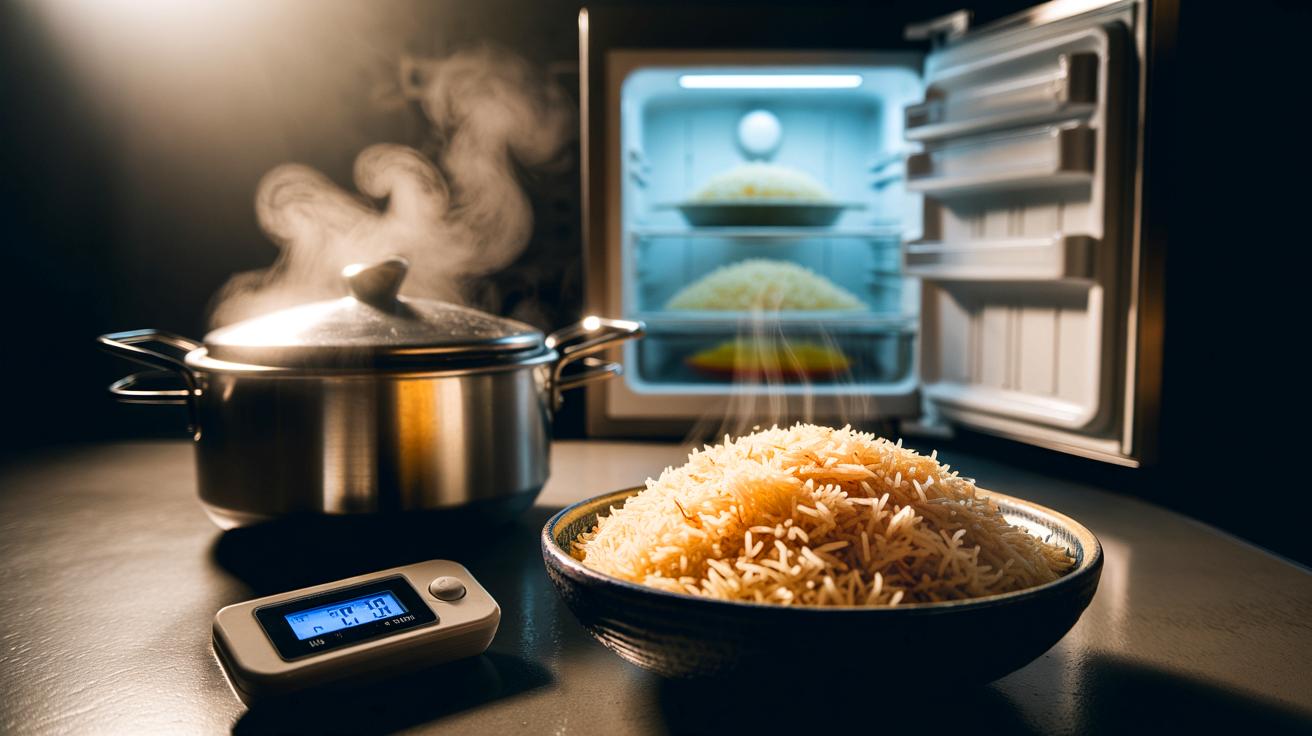
Reheating yesterday’s rice is usually a convenience play. But done right, it can also be a quiet nutrition upgrade. Scientists have shown that cooling cooked rice changes how its starch behaves in your body, trimming the amount you digest as quick energy. That means a smaller calorie impact and a gentler blood sugar rise, without changing what’s on your plate. The trick isn’t exotic or pricey; it’s timing, temperature, and handling. Cook, cool, chill, reheat—safely. In an era of budget stress and wellness fatigue, this simple kitchen habit delivers measurable benefits. Here’s how the chemistry works, and how to make it delicious.
The Science of Resistant Starch
Rice is mostly starch, and starch comes in two main flavors: amylose and amylopectin. When you boil rice, heat and water make these starches swell and unravel, a process called gelatinization. Fresh, hot rice is rapidly digested because those starch chains are wide open to your enzymes. Cool that same rice, though, and something else happens. The starches begin to reorganize and tighten into new shapes your small intestine struggles to break down.
That shift is called retrogradation, and it creates resistant starch—specifically RS3. RS3 behaves more like fiber than sugar, passing through to the large intestine, where your microbiome can ferment it. The practical effect is simple: fewer digestible calories and a softer glycemic response. Lab and kitchen studies have reported meaningful reductions in digestibility after cooling and reheating, with the size of the effect depending on rice type, cooking time, and storage conditions. In plain terms: properly cooled and reheated rice can deliver energy more slowly, and slightly less of it, while supporting gut-friendly fermentation.
Cooling and Reheating: The Calorie Hack Explained
Think of this as a two-step recipe that starts after cooking. First, cook rice as usual—absorption, boiled, or steamed. Then, cool it quickly. Spread the rice in a thin layer to shed heat, and refrigerate in shallow containers. This window is where retrogradation builds RS3, especially over 12–24 hours. When you reheat, aim to warm it through without prolonged simmering. RS3 is relatively heat-stable, so brief, thorough reheating won’t undo the benefit. It’s a routine you can fold into meal prep on Sunday and enjoy on Thursday.
| Step | What to Do | Why It Matters | Time/Temp |
|---|---|---|---|
| Cook | Prepare rice until tender | Gelatinizes starch for later restructuring | Simmer per package |
| Cool | Spread in a thin layer | Limits bacterial growth; speeds retrogradation | 15–30 minutes |
| Chill | Refrigerate in shallow containers | Builds resistant starch (RS3) | 12–24 hours at ≤40°F |
| Reheat | Microwave or steam until piping hot | Preserves most RS3; makes rice palatable | 165°F (74°C) center |
| Use | Serve promptly | Best texture and safety | Eat right away |
Batch-cook, chill overnight, reheat once. That cadence creates a steady pipeline of ready rice with a lower calorie punch and steadier energy. If you favor variety, try higher-amylose options—like basmati or parboiled—which tend to form more RS3 than stickier, lower-amylose varieties.
Safety First: Preventing Foodborne Illness While You Optimize Calories
Rice safety isn’t optional. Uncooked grains can harbor Bacillus cereus spores that survive boiling. When warm cooked rice sits out, those spores can wake up, multiply, and produce toxins that reheating won’t remove. That’s why the phrase to remember is simple: cool it fast, keep it cold, reheat it hot. Quick cooling and prompt refrigeration are the guardrails that let you pursue resistant starch without taking risks.
Here’s the safe path endorsed by U.S. food safety guidance. Refrigerate cooked rice within two hours—sooner if your kitchen is hot. Use shallow containers (about one inch deep) to speed chilling. Keep the fridge at or below 40°F, and use leftovers within three to four days. When reheating, ensure the thickest clump hits 165°F (74°C); stir midway in the microwave to eliminate cold spots. Reheat once, then serve. If rice smells off, looks slimy, or has been on the counter beyond the safe window, throw it out. Food waste stings less than food poisoning, and the resistant starch benefits only count if you stay well.
Taste, Texture, and Everyday Swaps
Good news for flavor chasers: this method can improve texture. Chilled grains firm up; a quick reheat with a tablespoon of water per cup restores steam and softness. For microwaves, cover loosely to trap moisture, stir, then finish in short bursts. On the stovetop, a splash of broth and a lid make a gentle steam bath. Avoid long re-simmering, which can get mushy. RS3 remains fairly heat-stable, so brief, thorough reheating keeps both the culinary and metabolic wins intact.
Want more from less? Build bowls that amplify the effect. Pair reheated rice with fiber-rich vegetables, protein, and a squeeze of acid—citrus or rice vinegar—to keep portions satisfying. Choose varieties that lean higher in amylose: basmati, jasmine-basmati hybrids, and especially parboiled rice often retrograde more readily than very sticky short-grain types. Try a chilled-then-reheated base for fried rice, grain salads, or burrito bowls. The grains separate, the chew improves, and the calorie impact dips. Small shifts. Big mileage. That’s the power of science-backed home cooking.
Reheating rice the right way uses chemistry, not willpower, to make comfort food work a little harder for you. By encouraging resistant starch and keeping a sharp eye on safety, you can stretch flavor, budget, and metabolic steadiness across the week. It’s a practical ritual: cook once, cool well, reheat right, enjoy on repeat. The next time you plan a meal prep session, which rice variety—and which dish—will you test to balance taste, convenience, and a lighter calorie touch?
Did you like it?4.5/5 (26)