In a nutshell
- 🔥 The simple spice swap: use smoked paprika to mimic roasted depth and deliver restaurant-level flavor in minutes.
- 🥄 Usage guide: start with 1/2–1 tsp per quart; bloom in fat for 30–60 seconds to unlock aroma and prevent a dusty finish.
- 🥣 Pairings and styles: elevate tomato, lentil, chowder, potato-leek, and chicken soups; balance with acid and salt (lemon, vinegar, yogurt).
- 🇪🇸 Sourcing smart: choose Spanish pimentón de la Vera—dulce, agridulce, or picante; buy fresh tins and store cool and dark.
- 🌶️ Pro tips: layer with tomato paste, cumin, or coriander; sprinkle at the end for aroma; use picante for heat or chipotle plus sweet paprika as a stand-in.
Great soup is a game of depth. Restaurants build it with roasted bones, reductions, and time you don’t have on a Tuesday night. Here’s the shortcut: swap your everyday paprika or chili powder for smoked paprika. One spoonful nudges tomato soup toward a wood-fired bisque, turns lentils luxurious, and makes humble chicken broth taste like it spent hours under a watchful chef. The move is small. The impact is large. This single substitution can mimic hours of simmering, delivering aroma, color, and a savory echo that reads as professional. Keep the rest simple, and let that smoky, sun-dried pepper carry the bowl.
Why Smoked Paprika Elevates Everyday Soup
Restaurant flavor often begins with controlled burn—bones roasted, vegetables charred, fond scraped. Smoked paprika packs that same suggestion of fire into a tin. Made from peppers dried over oak, it delivers phenolic compounds that whisper “brick oven” even in a quick weeknight pot. The spice adds a ruby glow, soft sweetness, and gentle savoriness that flat paprika can’t touch. Tomatoes taste riper. Potatoes feel richer. Lentils sing. Smoke triggers expectation: your brain anticipates complexity, so the broth seems deeper, the finish longer, the sip more satisfying. Big payoff. No fuss.
Chefs chase layering. They bloom spices in fat, caramelize tomato paste, and deglaze pans to weave flavor. Smoked paprika accomplishes a chunk of that layering in seconds. It doesn’t bulldoze; it amplifies. In chowders, it nudges bacon without adding more. In vegetable purées, it provides contrast to sweetness, adding backbone so carrots or squash don’t taste cloying. In chicken and bean soups, it reads as cozy hearth. Used judiciously, it’s depth without bitterness, complex without heat, unless you choose a picante style. Think of it as the shorthand for “roasted,” bottled and ready.
How to Use the Swap: Timing, Quantity, Pairings
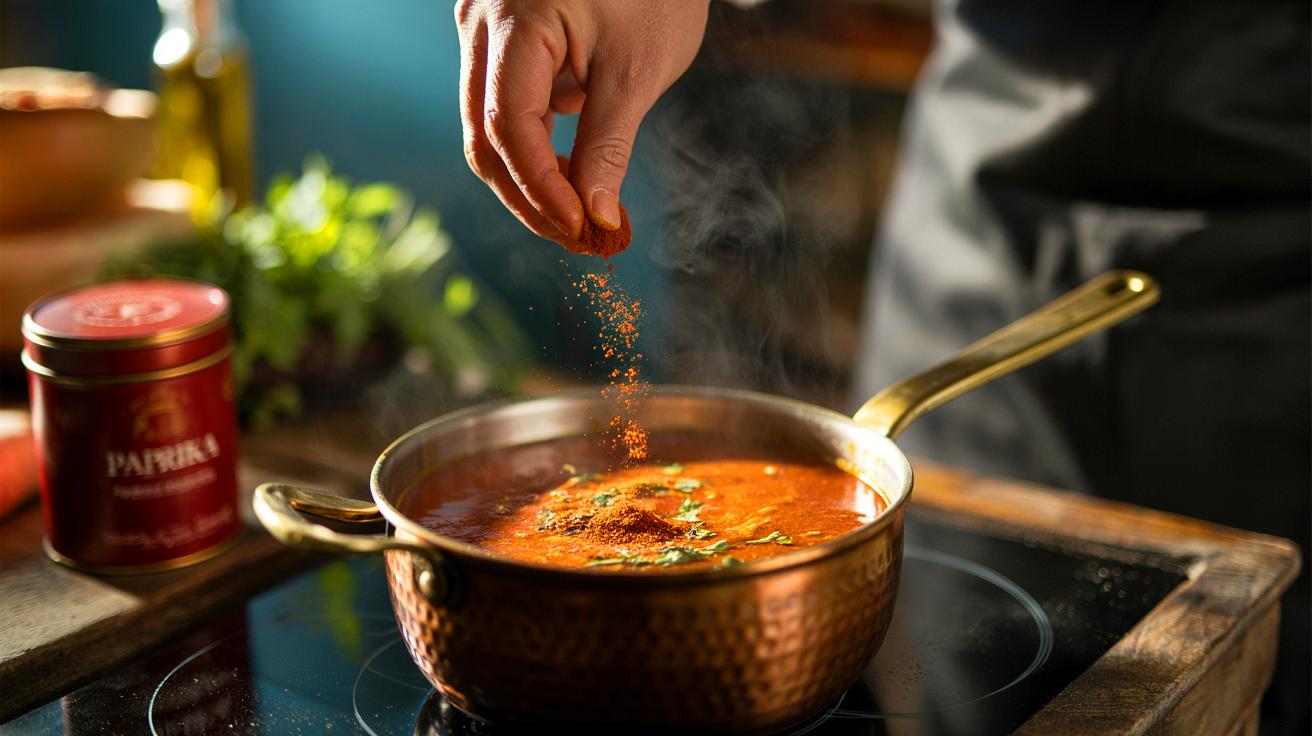
Measure first, then build. Start with 1/2 teaspoon of smoked paprika per quart of soup, adjusting to 1 teaspoon for heartier styles like lentil, chickpea, or tomato. Blooming is essential: warm the spice in a slick of fat—olive oil, butter, or chicken schmaltz—for 30 to 60 seconds with your aromatics, until fragrant and brick red. Add stock and simmer. This fat-first step dissolves flavor compounds and prevents a dusty finish. For brightness, finish with a squeeze of lemon, vinegar, or a dollop of yogurt. Add it early to bloom; add a pinch at the end to perfume.
| Soup Style | Swap Amount | When to Add | Flavor Buddies |
|---|---|---|---|
| Tomato Basil | 1/2–3/4 tsp per quart | Bloom with onions/garlic | Tomato paste, basil, cream |
| Potato-Leek | 1/2 tsp per quart | Bloom in butter with leeks | Bay leaf, sour cream, chives |
| Lentil or Chickpea | 3/4–1 tsp per quart | Bloom with cumin/coriander | Lemon, parsley, olive oil |
| Chicken Noodle | 1/4–1/2 tsp per quart | Bloom in schmaltz | Dill, black pepper, celery |
| Creamy Corn or Chowder | 1/2 tsp per quart | Bloom with bacon or butter | Thyme, scallions, lime |
Taste as brands vary in potency. If the soup tastes flat, you likely need acid or salt, not more smoke. A teaspoon of sherry vinegar wakes tomato bases; lemon juice lifts bean broths. Stir in a spoon of tomato paste during blooming for a restaurant-style caramelized base. For heat, add a pinch of the picante variety or crushed red pepper. For cream soups, a small finishing sprinkle on top doubles as garnish and aroma. Layer smoke, salt, and acid, and the bowl reads “chef-made”.
Choosing the Right Smoked Paprika
Not all tins are equal. Look for Spanish pimentón de la Vera, a protected-origin paprika traditionally oak-smoked. Labels signal style: dulce (sweet), agridulce (bittersweet), and picante (hot). Dulce is the safest swap for everyday soups—rich smoke, no heat. Agridulce adds a subtle edge that flatters legumes and mushrooms. Picante delivers true pepper heat; use sparingly. Color matters too: bright brick-red signals freshness. Dull, brownish powder often means stale spice. Fresh spice beats old spice every time, so buy smaller tins and replace every 6–12 months.
Quality cues are simple. You want “smoked over oak” on the label, not vague “smoke flavor.” Tins protect better than clear glass. Store in a cool, dark cabinet, tightly sealed. If you can’t find Spanish paprika, you can approximate the effect with a pinch of chipotle powder plus sweet paprika, though chipotle brings more heat and a different, earthy smoke. Expect to pay a few dollars more than regular paprika; the upgrade is worth it. A tiny investment changes every pot this season, from weeknight tomato to special-occasion chowder.
One small swap, many wins. Smoked paprika folds roastiness into simple broths, adding color, aroma, and a satisfying echo that lingers like a well-made stock. Use it wisely—bloom in fat, balance with acid, and keep an eye on quantity—and your soups begin to taste like they came from a stove that never sleeps. Friends will ask for the recipe. You can credit technique, but the secret sits in the spice drawer. Ready to test the swap tonight, and which soup will you upgrade first?
Did you like it?4.5/5 (28)