In a nutshell
- ❄️ Adopt the freezer habit: pre-portion, label, and freeze within 24–48 hours to capture peak quality, cut waste, and keep meals ready on demand.
- 🗂️ Treat the freezer like a second pantry: use small single-serving packs, clear labels with dates, and a FIFO system so the oldest items get used first.
- 🍲 Know what freezes well (cooked grains, beans, soups, bread, berries, herbs, shredded cheese) and what doesn’t (high-water produce, delicate dairy sauces unless adjusted).
- 🧊 Use smart prep tactics: flatten sauces and stews, tray-freeze berries, scramble eggs before freezing, and minimize air to reduce ice crystals and protect texture.
- 💸 Bank tangible gains: save money, reduce waste, speed weeknight cooking, and improve nutrition—an organized, fuller freezer even runs more efficiently.
Every year, American families throw away hundreds of dollars in spoiled groceries, a quiet drip of waste that feels inevitable until you change one routine in your kitchen. Nutritionists call it the freezer habit: a system that moves food into the cold before it becomes a problem, not after. It’s simple, and it sticks because it fits how real households eat. You buy. You cook. You portion. Then you freeze what won’t be used in the next two days. Freeze earlier than you think you need to—within 24 to 48 hours—so quality is captured at its peak. In the process, you cut waste, bank ready-to-eat meals, and save money without spreadsheets or apps.
What Nutritionists Mean by the Freezer Habit
The freezer habit isn’t a gadget or a diet plan. It’s a pattern: pre-portion, label, and date ingredients and leftovers as soon as they land in your kitchen, then rotate them using a simple first-in, first-out approach. The aim is to freeze foods while they’re still vibrant—think the night you cook, not a week later. Food frozen fresh tastes better, thaws safer, and reduces the temptation to order takeout. Nutritionists like it because it guards nutrients, particularly in produce and lean proteins, by arresting the slow decline that happens in a crowded fridge.
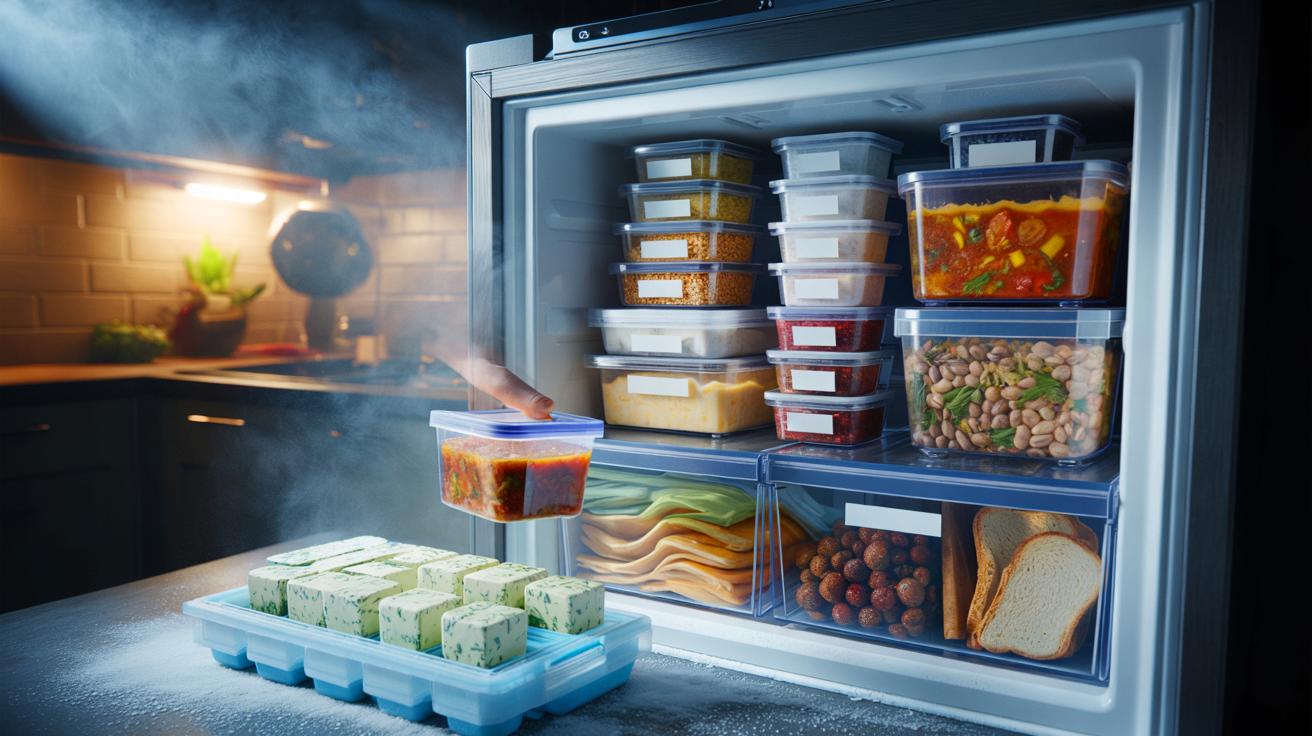
Here’s the twist that makes it stick: treat the freezer like a second pantry, not a graveyard. Clear bins. Visible labels. Small portions. Store chicken in single-cutlet packs. Spoon soups into one-cup servings. Freeze berries on a tray, then bag. The smaller the portion, the faster the freeze and the easier the weekday rescue. When dinner plans change, nothing spoils; it simply shifts to your “shop-at-home” stash, ready for next week’s menu.
How to Portion, Label, and Rotate Like a Pro
Start with containers that match real life. Use quart bags for family meals, sandwich bags or silicone pods for single servings, and shallow containers for faster freezing. Flatten sauces and stews to thin “file folders” that stack vertically; air expelled equals fewer ice crystals and better texture. Label with three details—what, quantity, and date—and add a quick cue like “tacos” or “oats” to speed decisions on busy nights. A label is a plan in shorthand.
Adopt a FIFO shelf: oldest items front, freshest in back. Make a five-minute end-of-week sweep to transfer at-risk fridge items—greens into pesto cubes, herbs into butter, bread into crumbs. Keep a freezer list on the door or a simple photo on your phone. To reduce fatigue, designate theme packs: grain bowls (rice + beans), soup starters (stock + veg + aromatics), breakfast bites (oat cups, smoothie packs). The system becomes automatic because it saves time today and tomorrow.
| Item | Prep to Freeze | Portion Size | Freezer Life | Fast Use |
|---|---|---|---|---|
| Cooked grains | Cool, spread to dry | 1 cup | 3 months | Microwave with splash of water |
| Chicken breast (raw) | Portion, wrap tight | 1 cutlet | 6–9 months | Overnight fridge thaw |
| Soup or chili | Cool, flatten in bag | 1–2 cups | 3–4 months | Pot or microwave from frozen |
| Berries | Freeze on tray | 1 cup | 6–8 months | Smoothies or sauces |
| Herbs | Chop, oil or butter | Ice cube | 3 months | Drop into hot pan |
What Freezes Well (and What Doesn’t)
Most foods freeze beautifully when prepped right. Great candidates: cooked grains, beans, stews, ground meats, sliced bread, tortillas, tomato paste, pesto, broth, shredded cheese, raw shrimp, and hardy vegetables after a quick blanch. Citrus zest, ginger, and tomato paste can be frozen in teaspoon portions. Eggs? Crack and scramble lightly with a pinch of salt before freezing for omelets or baking. Freeze foods in the form you intend to use them. That single step eliminates friction later and protects texture.
Some items are tricky. High-water produce like cucumbers and lettuce turns soggy. Soft cheeses can crumble; cream sauces may separate unless stabilized with a roux. Fried foods lose snap unless reheated in an air fryer or very hot oven. Dairy-heavy soups fare better if you add milk or cream after thawing. For best texture, cool foods quickly, minimize air exposure, and freeze in thin layers. And remember this quality rule of thumb: if you’d enjoy it chilled today, you’ll likely enjoy it thawed next week.
Savings You Can See: Dollars, Time, and Nutrients
Waste is expensive. The average family tosses hundreds of dollars’ worth of food annually; a steady freeze-first routine reroutes much of that into weeknight meals. One pound of chicken rescued from the edge of its fridge life? That’s dinner plus leftovers, not sunk cost. A pot of beans portioned into four cups? That’s two burrito nights and a soup base, all waiting. Every frozen portion is a decision you don’t have to make under pressure.
Time compounds the benefit. Weekend batch cooking pays you back on a Tuesday when traffic runs late. Nutritionally, you sidestep emergency takeout and lean into planned proteins, fiber-rich grains, and vegetables captured near peak quality. The environmental math improves too: less spoilage, fewer car trips, smarter energy use from a well-packed freezer that actually runs more efficiently when full. The habit feels small, almost invisible, until you open the door, scan the labels, and realize dinner is already halfway done.
The freezer habit works because it’s not a diet; it’s a workflow that keeps food delicious and dollars in your wallet. Start with a labeler or a permanent marker, a few flat containers, and a weekly five-minute “freeze-before-it-fails” check. Build your stash in portions that match your life, not an idealized version of it. When routines are humane, they last. Soon you’ll have meals on demand, less guilt, more control. What will you portion, label, and freeze this week to make Thursday night effortless—and what small tweak would make that habit permanent for your household?
Did you like it?4.4/5 (30)