In a nutshell
- 🧪 Microfiber mechanics: Split polyester–polyamide fibers mechanically lift and lock dust, oils, and residue via capillary action and mild electrostatic charge, delivering a streak-free, squeaky-clean finish.
- 🌬️ Cleaner air, fewer allergens: Traps pollen, pet dander, and fine dust to cut resuspension, helping allergy-prone homes and leaving glass, chrome, and screens visibly sharper and cleaner longer.
- ⏱️ Efficiency and sustainability: Often cleans with water only, reduces chemical use and paper towels, lasts 300–500 washes, and lowers cost per use while shrinking household waste.
- 🧼 Smart technique: Fold into quarters, work top-to-bottom and clean-to-dirty, use dry for dust and damp for grime, and deploy a tight-weave glass cloth to prevent lint and streaks.
- 🧺 Care that preserves performance: Wash warm with plain detergent, no softeners or dryer sheets, low-heat dry, launder separately, and pre-rinse greasy cloths to keep fibers unclogged.
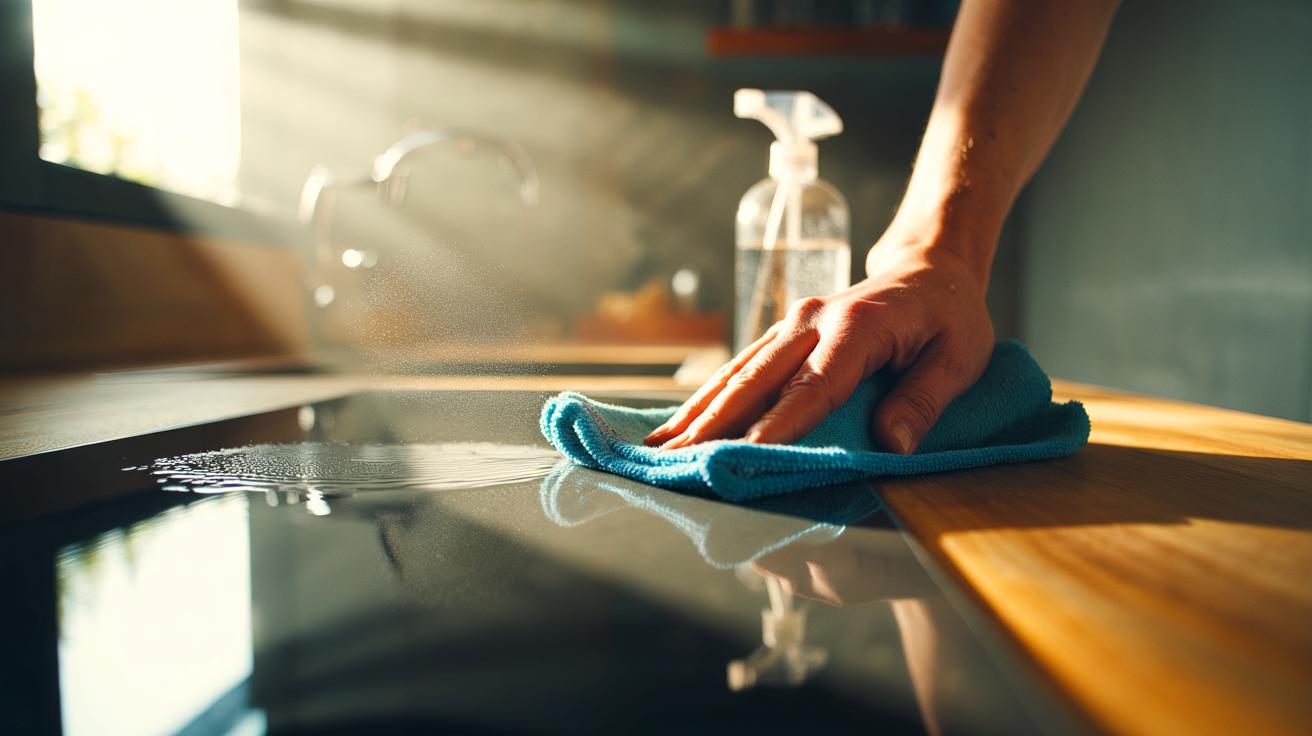
Walk into a freshly cleaned room and you can tell instantly—some homes feel light, crisp, almost new. That sensation isn’t only about scent; it’s about how completely dust, oils, and residue have been removed. Switching to microfiber cloths often flips that switch. The difference comes from physics, not marketing. Threads engineered at a microscopic scale grab what traditional rags slide past, leaving surfaces genuinely bare. Windows lose that faint haze. Counters feel squeaky, not tacky. Floors don’t re-dust themselves by late afternoon. The result is not just “looks clean,” but “feels clean,” the kind that lasts beyond a quick wipe-down.
What Microfiber Actually Does
Microfiber is a blend—typically polyester and polyamide—that’s been split into wedge-like filaments up to 1/100th the diameter of a human hair. Those wedges create enormous surface area and countless edges. Instead of pushing grime, they mechanically lift and lock particles through a combination of capillary action (for liquids), micro-scrubbing (for grease), and a mild electrostatic attraction (for dust). Water helps break surface tension, then the fibers do the rest. That’s why a slightly damp cloth outperforms a soaked one on glass and stainless steel.
Lab tests on nonporous surfaces show microfiber can remove a high percentage of bacteria with water alone. You’re not “killing” them; you’re removing them. That distinction matters for daily cleaning, especially in kitchens and bathrooms where residues build. On hard surfaces, microfiber can reduce reliance on harsh chemicals for routine wipe-downs because it captures contaminants instead of spreading them thin. It’s also why streaks disappear: once oils are trapped inside the split fibers, they’re less likely to smear across your range or mirror.
Texture counts, too. Run a fresh microfiber across a counter and you’ll hear it squeak—that’s clean contact. Cotton often glides over invisible films left by soaps or cooking vapor. Microfiber doesn’t glide; it grabs. The outcome is a surface that feels different to the touch and stays that way longer.
Cleaner Air, Fewer Allergens, and a Fresher Finish
Ever dust a shelf and watch a ghost cloud rise? That airborne plume lands on your TV, then your floors, then your lungs. Microfiber’s fine filaments catch pollen, pet dander, and dust mites before they launch, meaning less resuspension into the air you breathe. The payoff is noticeable for allergy-prone households. Curtains, lampshades, vents—hit them dry with microfiber to draw particles in and hold them. On floors, a microfiber mop head pulls debris from grout lines and board seams rather than dragging it along. Less dust resuspension means your room stays cleaner hours after you finish wiping.
There’s also the visual finish. Glass, chrome, and lacquered furniture can look clean but feel slightly filmy. Microfiber changes that. A damp glass cloth polishes mirrors without lint, then a dry finishing pass pulls the last traces of moisture for that streak-free pop. Stainless appliances keep their brushed clarity. Painted cabinets don’t develop wipe marks. Even electronics benefit: microfiber lifts skin oils from touchscreens while minimizing micro-scratching. Short version: the space looks sharper and the effect lasts because you removed, not redistributed, what makes rooms feel dull.
Efficiency, Sustainability, and Cost That Add Up
Less time, less water, fewer sprays—that’s the trifecta. Microfiber’s split fibers mean you can often clean with water only, reserving stronger disinfectants for high-risk zones. You’ll wring less, rinse less, and still clear greasy fingerprints. The environmental math improves, too. Fewer paper towels go to the landfill. Fewer plastic bottles of cleaner get purchased. Durability helps; a quality cloth can survive hundreds of washes if properly cared for. Over months, the switch quietly shrinks your waste stream while raising your standards for “actually clean.” The budget case is straightforward once you consider cost per use rather than shelf price.
| Material | Typical Lifespan (Washes) | Absorption | Chemical Use | Approx. Cost Per Use | Notes |
|---|---|---|---|---|---|
| Microfiber Cloth | 300–500 | Up to 7× weight | Water often enough | $0.01–$0.02 | Best for dust, glass, stainless, countertops |
| Cotton Rag | 100–200 | ~3× weight | Cleaner usually needed | $0.03–$0.05 | Good for spills; can smear oils |
| Paper Towel | N/A (single use) | ~1× weight | Cleaner often required | $0.05–$0.10 | Convenient, but creates waste |
The practical benefit is momentum. Because microfiber works quickly, you’re more likely to keep up. Counters get a pass after meals. Faucets get buffed while the coffee brews. Small wins accumulate, and the home’s baseline cleanliness rises without extra effort or expense.
How to Use and Care for Microfiber
Technique first. Fold a cloth into quarters to create eight fresh panels. Work top to bottom, clean to dirty: glass and mirrors, then counters, then appliances, then the floor. For light dusting, use microfiber dry. For sticky grime, use it damp—wrung out thoroughly—to maximize fiber contact. A separate glass cloth with tighter weave prevents lint on mirrors and screens. Color-code by room to avoid bathroom-to-kitchen crossovers. Changing panels as they load up keeps you lifting dirt rather than redepositing it.
Care is simple but specific. Wash in warm water with a plain detergent. Skip fabric softeners and dryer sheets; they clog the split fibers. Avoid bleach except for occasional sanitizing when necessary. Tumble dry low or line-dry to preserve the filaments. Launder microfiber separately or with other low-lint textiles so it doesn’t become a lint magnet. If you clean high-grease zones, pre-rinse in hot water to release oils before the main wash.
Build a small kit: two all-purpose cloths, one glass cloth, one scrubby-weave for the stove, and a microfiber mop head. That’s it. Store them visible and reachable. When the right tool is easy to grab, the habit forms—and the house stays consistently, noticeably cleaner.
Swap a few paper rolls and old tees for a handful of well-made microfiber cloths and your home’s cleanliness will read differently—to your eyes, your nose, even your fingertips. Surfaces stop buzzing with residue. Dust takes longer to return. Cleaning shrinks from a weekend task to quick daily passes that actually work. The science is humble, the impact tangible. Cleaner, faster, cheaper is hard to argue with. What room will you test first, and how will you tell if the “feel of clean” changes once microfiber becomes your default tool?
Did you like it?4.5/5 (21)