In a nutshell
- 🧺 Stopping fabric softener reveals true fabric feel: cottons turn crisper, synthetics may feel rougher, and towel absorbency improves as residue washes away.
- ⚡ Expect more static on polyester and activewear; manage it with dryer balls, lower heat, shorter cycles, and better sorting to avoid over-drying.
- 👃 Without fragrance masking, hidden odors surface—optimize detergent dosing, water temperature, and run washer maintenance cycles to improve hygiene and reduce buildup.
- 🌍 Skipping softeners cuts quats and VOCs, trims plastic waste, and saves $30–$60 per year; it also preserves performance in microfiber and athletic wear.
- 🧠 Use smart alternatives: wool/silicone dryer balls, moisture sensors, “rinse and spin,” hard-water treatment, and cautious vinegar use (never mix with bleach); avoid softener on flame-resistant sleepwear.
Quit the soft stuff? Many households are doing exactly that, skipping liquid fabric conditioner to see what really changes in the laundry room. The short answer: more texture, sometimes more static, and clearer insight into how clean your clothes truly are. The longer answer is more interesting. When you stop using fabric softener, coatings wash away, towels drink water better, and your washer may stay fresher. It’s not about “less clean” clothes—it’s about losing a cosmetic finish and revealing the actual wash performance. Here’s what laundry experts say you can expect, how to troubleshoot side effects, and which low-cost alternatives actually work.
What Changes in Fabric Feel and Static
Softener works by depositing cationic surfactants that lubricate fibers and cut down on friction. Pull the plug on that coating and your jeans, sheets, and tees may feel a touch rougher at first, especially if you tumble-dry on high. Synthetics like polyester are most affected. They’re notorious for cling in dry weather, and without softener’s smoothing agents, they can hold a charge. Cotton behaves differently. It can feel “crisper,” yet becomes more breathable and less waxy. Towels are the headline: ditch softener and their absorbency typically rebounds, since no film blocks water from wicking into loops.
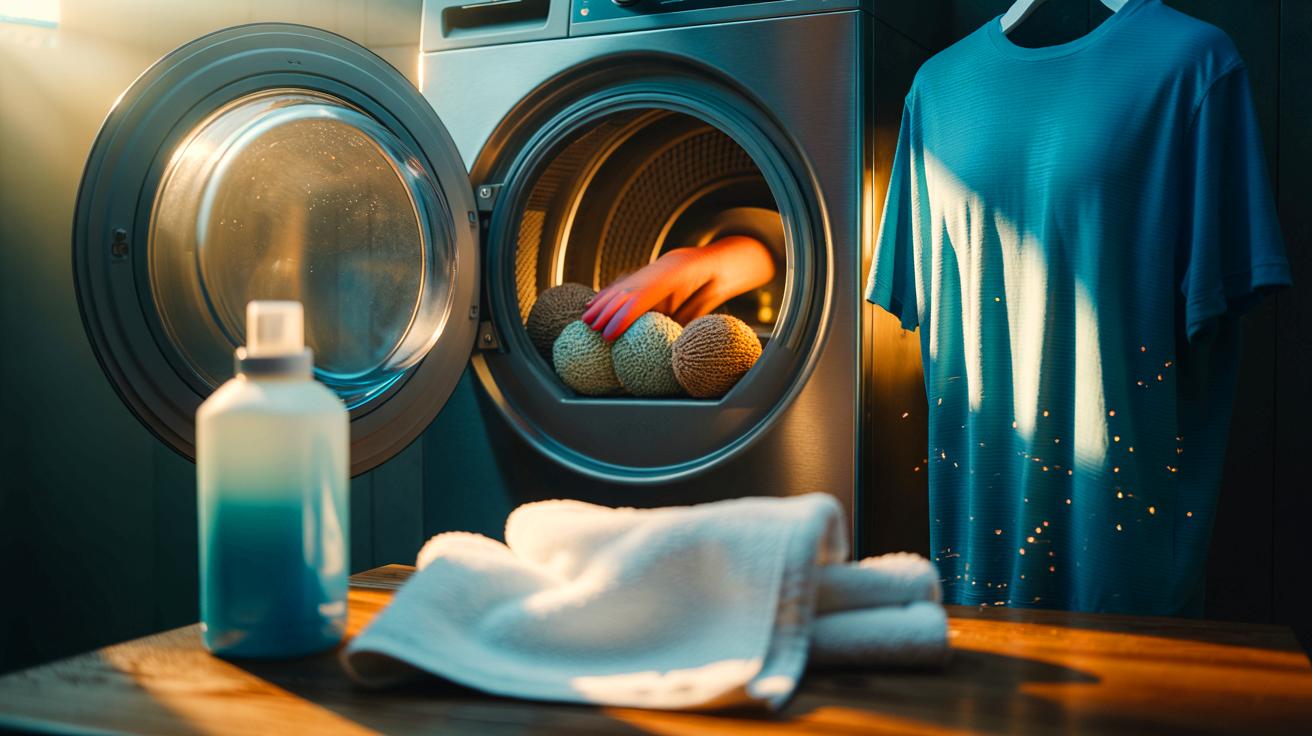
Static, however, is real. You’ll notice it most with leggings, workout shirts, and microfiber sheets. Practical fixes? Sort loads by fabric; don’t over-dry; lower dryer heat and use the moisture sensor; add two to four dryer balls to separate layers and bleed off charge. Air-dry the last 10 percent of moisture for synthetics. Reducing dryness by a few minutes often cuts static more than any additive ever could. Over a few weeks, as residual softener washes out, the “feel” stabilizes—and the fresh-from-the-dryer hand becomes the new normal.
Odors, Hygiene, and Machine Health
Fragrance can mask a lot. Remove softener and you might notice lingering gym funk or that dull “wet-dog” towel smell. That’s not because your wash got worse—it’s because perfume stopped covering it. If odors surface, address the fundamentals: right-size your detergent dose for load and soil level, avoid overstuffing the drum, and use warmer water for body soils when fabric care labels allow. Run a monthly maintenance cycle with a washer cleaner to purge biofilm. Softener residue can smear along dispensers and outer tubs, trapping lint and bacteria. Without it, detergents and rinses generally work more efficiently.
There’s a skin story here, too. Fewer fragrance allergens and quats on fabrics can help sensitive users. Parents take note: many fire-resistant children’s sleepwear labels warn against softener because it can impair flame resistance. The same goes for microfiber cloths and athletic wear—performance improves when coatings are gone. Stopping softener often improves hygiene inside the machine as well as on the fabric you actually wear.
| Factor | With Softener | Without Softener |
|---|---|---|
| Absorbency (towels, microfiber) | Can decrease | Typically increases |
| Static on synthetics | Lower | Higher (manage with dryer balls/settings) |
| Odor masking | High | None (reveals wash issues) |
| Machine residue/build-up | More likely | Less likely |
| Sensitive skin comfort | Can irritate | Often improves |
Environmental and Budget Impacts
Every capful weeps downstream. Many liquid softeners contain quaternary ammonium compounds (quats), which can be persistent in wastewater and harmful to aquatic life. Fragrance blends add VOCs and allergens. Packaging—bulky plastic jugs, often tinted—can be hard to recycle. Opting out reduces chemical load and waste immediately. There’s also a garment-care angle. Films from softeners can shorten the life of activewear by clogging wicking channels, prompting more frequent replacements. Skip the coating, and fabrics tend to perform as engineered, which keeps items useful longer. Fewer additives, fewer hidden costs to the planet and your closet.
The household math is straightforward. A typical U.S. family runs roughly 300 loads a year. At $0.10–$0.20 per load, that’s $30–$60 saved annually when you stop buying softener—before you count avoided “rescue” products for odors and residue. Energy-wise, the change is negligible, though in arid climates static can add a few minutes of dryer time on synthetic-heavy loads. Dryer balls usually offset that by improving airflow. If you prefer occasional softness for sheets or sweaters, using it selectively—rather than automatically—is the biggest budget lever of all.
Expert Alternatives and Smart Wash Settings
There are gentler ways to get comfort without the chemical coat. Use 3–4 wool or silicone dryer balls to separate layers and accelerate drying; swap them for clean, dry towels in small loads to speed evaporation. Rely on your dryer’s moisture sensor and choose “less dry” for synthetics. For cotton towels, warm wash, high spin, and a shorter, cooler tumble preserve loft and absorbency. Sort synthetics away from cottons to reduce static transfer. When rinsing, a “rinse and spin” add-on can reduce leftover detergent that sometimes feels stiff. Don’t chase softness by over-dosing detergent—that leaves residue and can worsen odors.
Some households use a splash of distilled white vinegar in the rinse to limit stiffness; check your washer manual first, and use sparingly. Never mix vinegar and chlorine bleach—combining them releases dangerous chlorine gas. If hard water is your culprit, a water softener or in-wash builder (like washing soda) improves detergent efficiency and fabric feel without perfumes. For occasional anti-static help, try a brief air-dry finish or hang synthetics in a slightly humid bathroom for a few minutes. And remember the red flags: avoid softener on microfiber, athletic wear, and flame-resistant sleepwear, where performance and safety matter more than “silky” touch.
Stopping fabric softener is less a sacrifice than a reset. You gain absorbent towels, clearer signals about cleanliness, and a cleaner machine—while still having tools to manage static and texture. The transition takes a couple of weeks as old residues rinse away, but the routine quickly settles. If you miss a plush finish, use softener sparingly and strategically instead of by default. What shift would most improve your laundry—tweaked dryer settings, better sorting, or experimenting with dryer balls to fine-tune the feel you want?
Did you like it?4.6/5 (27)
I stopped using softener a month ago after reading something similar, and my towelss are finally thirsty again. The initial crunch faded in two weeks. Thanks for explaining the why behind it—super helpful for my household.
If static is worst on polyester, is it better to run “less dry” with dryer balls, or lower heat without them? My dryer’s moisture sensor is finnicky—any tips to calibrate it or avoid over-drying?
Confession: without softener, my towels drank half the pool after swim class. Silver lining—I’m saving on paper towels and doing fewer panicked dab-drying dances in the kitchen. Static’s real, but the absorbancy glow-up is worth it.
Thank you for flagging the flame-resistant sleepwear issue. I had no idea softener could mess with safety labels. As a tired parent, that’s the kind of detail I might miss—appreciate the clear heads-up.
Great section on quats and VOCs. Do any brands list the specific quaternary ammonium compounds used, or is it usually hidden under “cationic surfactants”? I’m trying to reduce wastewater impact without sacrificing basic fabric care.
Quick check on vinegar: my manual says it’s okay in the rinse, but warns about rubber seals. Any guidance on dilution to protect gaskets, and whether stainless tubs can pit or corrode with repeated use?
I ditched softener, got zapped by leggings for a week, then started air-drying the last 10% like you suggested. Boom—less cling, and the fabric feels normal again. Dryer balls plus shorter cycles totally helped.
The math sold me. We run about 320 loads; cutting softener saved roughly $55 this year. Washing soda in hard water definately reduced that “stiff” feel, and my washer smells cleaner between maintenance cycles.
For hard water households, would you prioritize a small in-line softener or just add washing soda per load? Also, does an extra “rinse and spin” risk fading darks, or is detergent residue the bigger problem?
This explains the mysterious wet-dog towel smell I noticed when I quit the perfume haze. Upping water temp and not stuffing the drum fixed it fast. Thx for the practical, non-gimmicky tips.
I clean windows for work; microfiber is my life. Since stopping softener, glass comes out streak-free again. Any special wash temp or detergent dose you’d recommend to keep the fibers open without fraying them?
Just set my dryer to “less dry,” tossed in three wool balls, and sorted synthetics away from cottons—instant difference. My towels are fluffier and actually absorb! Consider me converted 🙂
Love the note on fewer fragrance allergens. For eczema-prone kids, would you pair fragrance-free detergent with occasional vinegar rinse, or skip vinegar entirely? Curious if dermatologists lean one way for sensitive skin.
Pro tip from my chaotic laundry cave: two tennis balls and one wool ball. The clatter is loud but the seperating magic reduces static a lot, and the load finishes faster. My jeans no longer feel waxy.