In a nutshell
- 🚶♀️ Studies show a five-minute walk after meals can lower postprandial blood sugar and ease the burden on insulin compared with sitting.
- 🌀 Gentle movement stimulates peristalsis, boosts visceral blood flow, and—combined with upright posture—can reduce bloating and nighttime reflux.
- ⚡ Contracting leg muscles enhance glucose uptake via GLUT4, flattening spikes and lifting energy, while adding to daily NEAT for cardiometabolic support.
- ⏱️ Timing matters: start within 10–20 minutes of finishing dinner; keep a conversational pace; begin with 5 minutes and build toward 10–15 minutes as desired.
- 🛡️ Practical safety: choose well-lit routes or indoor loops, watch for hypoglycemia if on glucose-lowering meds, and prioritize consistency over intensity.
That familiar after-dinner slump tempts most of us toward the couch. Yet a deceptively small habit—taking a five-minute walk—is attracting outsized attention from researchers. Short, gentle movement after a meal appears to smooth the body’s postprandial roller coaster and nudge the gut’s machinery into gear. It’s not about breaking a sweat. It’s about signaling. Large cohort analyses, controlled trials, and meta-analyses increasingly agree: light activity soon after eating trims blood sugar spikes, eases bloating, and may reduce nighttime reflux. Crucially, you don’t need a long workout to capture these benefits. Five minutes counts. Ten is better. The point is consistency, timing, and keeping the pace conversational, not punishing.
What Studies Reveal About Short Post-Meal Walks
In study after study, brief walking bouts performed shortly after a meal flatten postprandial glucose curves compared with sitting. Researchers have observed that even tiny “movement snacks”—as little as 2–5 minutes of light ambulation—help working muscles absorb glucose, easing the burden on insulin and curbing the sharp peaks that can leave you groggy and gassy. Trials in older adults, people with prediabetes, and healthy volunteers echo the same theme: timing matters more than intensity. Start soon after the last bite, keep it gentle, and you’ll likely notice steadier energy and less fullness.
Digestion is not just chemistry. It’s mechanics. After dinner, the gut relies on rhythmic contractions—peristalsis—to move food along. Light walking appears to amplify that rhythm while increasing visceral blood flow. Coupled with gravity and an upright posture, a short stroll can reduce acid reflux risk by discouraging acid from migrating upward. Five minutes won’t overhaul your fitness, but it can meaningfully improve the hour-to-hour experience of digestion. The classic advice to “let your food settle” has a caveat: let it settle while you move gently.
| Type of Evidence | Participants | Walking Protocol | Key Finding |
|---|---|---|---|
| Randomized trials | Older adults, prediabetes | Short walks after each meal | Lower post-meal glucose over 24 hours vs. one longer session |
| Meta-analyses | Mixed populations | 2–5 minutes every 20–30 minutes | Significant reductions in postprandial blood sugar vs. sitting |
| Acute crossover studies | Healthy adults | 5–15 minutes, light pace | Smaller glycemic spikes and fewer GI discomfort reports |
How a Five-Minute Stroll Aids Digestion
Think of a five-minute stroll as a nudge to the body’s conveyor belt. Gentle movement stimulates peristalsis, which shuttles food from the stomach into the intestines at a more comfortable tempo. The diaphragm and core muscles act like a pump, aiding gas transit and reducing pressure build-up that can feel like bloating. At the same time, light walking boosts visceral perfusion—blood flow to digestive organs—supporting the stomach’s mechanical churning and the small intestine’s nutrient absorption. Less pressure, smoother flow, fewer cramps. That’s the equation many people notice after a short, nightly loop around the block.
There’s also a metabolic assist. Contracting leg muscles take up glucose through GLUT4 transporters even with minimal exertion, trimming the postprandial surge that can slow gastric emptying. Flatter glucose curves often mean steadier insulin, less sluggishness, and fewer sweet cravings an hour later. Upright posture helps, too: staying vertical leverages gravity to keep stomach contents where they belong, which may ease heartburn. Meanwhile, you’re elevating daily NEAT (non-exercise activity thermogenesis)—the low-level movement that quietly supports weight maintenance and cardiometabolic health. Small, repeatable inputs produce outsized digestive dividends when timed right. Five minutes, finished before you’ve scrolled a feed, is surprisingly potent.
Practical Tips for After-Dinner Walks
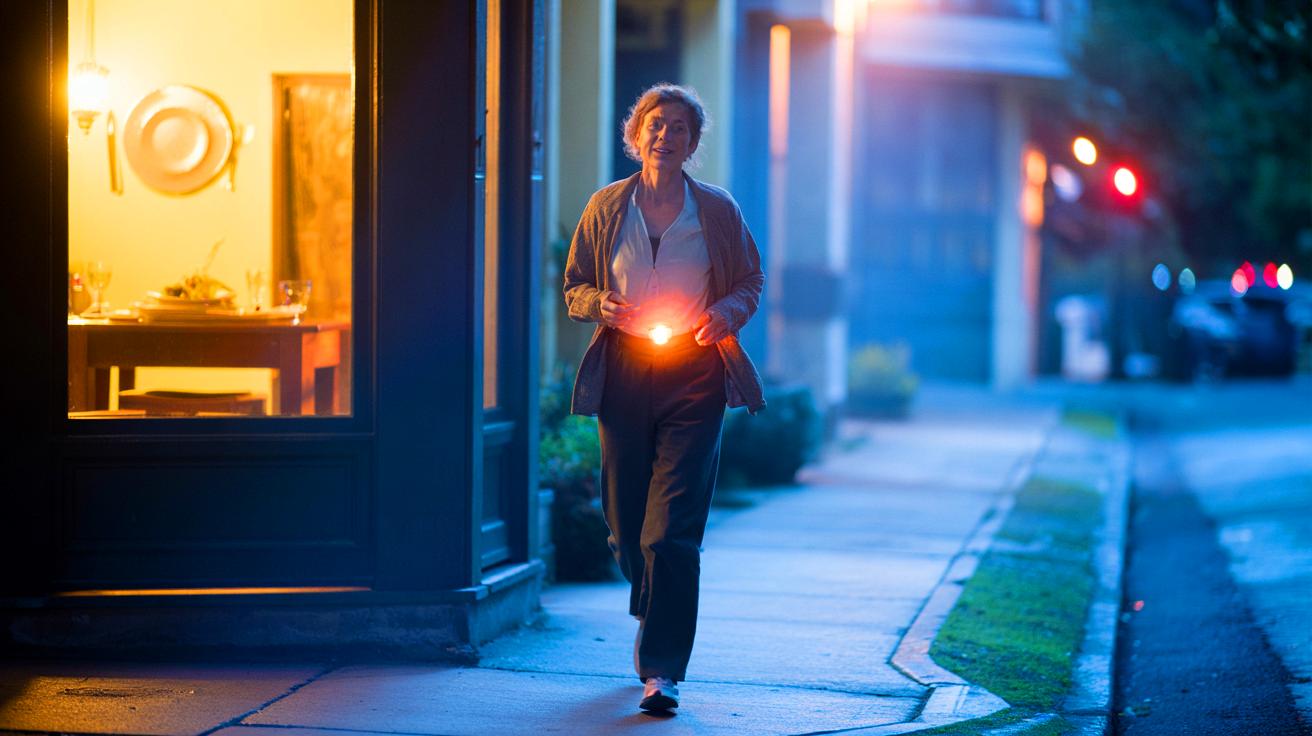
Timing first. Begin your stroll within 10–20 minutes of the last bite; that window captures the early rise in blood sugar and jump-starts peristalsis. Keep the pace easy—aim for the “talk test.” If you can converse in full sentences, you’re in the sweet spot. Start with five minutes. Add two-minute increments weekly until you’re at 10–15 minutes if it feels good. Short on daylight or space? Walk indoor laps, climb a few stairs slowly, or pace while loading dishes. Consistency beats intensity, every time. Shoes on, shoulders relaxed, arms swinging loosely—done.
Make it safe and comfortable. Choose a flat, well-lit route and reflective gear at night. If you experience reflux, keep it gentle and upright; avoid hills right after large, high-fat meals. People using insulin or secretagogues should monitor for hypoglycemia and carry a quick carb, especially if dinner was light. Those with neuropathy, balance issues, or joint pain can try a treadmill, a hallway loop, or even a stationary march in place. Pair the ritual with a cue you already do—closing the laptop, starting the dishwasher—so the walk becomes automatic. If you feel dizzy, short of breath, or have chest pain, stop and seek medical guidance.
A five-minute after-dinner walk is not a fitness plan so much as a digestive tool—simple, repeatable, and surprisingly effective. The science points in the same direction as common sense: light movement right after eating encourages the gut to move, keeps blood sugar steadier, and may calm reflux before bedtime. It’s an easy win on busy nights, and a gateway to longer strolls if you want them. Small habits stack. The only question is when you’ll start. Tonight, after the plates are cleared, what path—hallway loop, sidewalk, or stairwell—will you choose for your five minutes?
Did you like it?4.5/5 (28)