In a nutshell
- 🌱 Sugar jump-starts compost microbes with quick carbon, boosting the thermophilic phase, heat, and odor control via aerobic activity.
- 🍯 Molasses is the go-to: unsulfured blackstrap dissolves well and adds minerals; always dilute and mist across layers alongside aeration and dry browns.
- 🧪 Practical dosing: For a 3×3 ft pile, apply 1–3 tbsp diluted per layer, then mix; track temperature, moisture, and smell to gauge response.
- 🔬 Science-backed mechanism: microbes prioritize labile carbon, causing a short-lived bloom; sustained performance still relies on C:N balance, oxygen, and structure.
- ⚠️ Use sparingly: overuse can invite pests, create sticky anaerobic pockets, and drop pH—remember sugar is an accelerator, not a fix.
Gardeners swap plenty of unconventional tips at the fence line, but one suggestion consistently sparks curiosity: add a little sugar to your compost. The logic is simple and surprisingly scientific. Microbes are fueled by carbon-rich energy, and simple sugars are the express lane to that fuel. A pinch can jump-start a sluggish pile, sharpen the carbon-to-nitrogen (C:N) ratio, and wake up populations of bacteria and fungi that actually do the heavy lifting of decomposition. Results aren’t magic; they’re microbial. Used sparingly, sugar can accelerate heat, improve texture, and tame odors by empowering the right organisms to outcompete the wrong ones. Here’s how seasoned composters say it works—and how to do it safely.
Why Gardeners Add Sugar to Hot Piles
To microbes, sugar is quick energy. In compost, that means bacteria can multiply faster, push oxygen-driven respiration, and drive temperatures into the thermophilic phase sooner. Gardeners describe a noticeable microbial bloom after dosing a cool or sluggish heap with diluted molasses or another simple carbohydrate. The effect is short-term but potent: higher heat, faster breakdown of soft greens, and improved porosity as materials collapse into crumbly particles. When oxygen is available, this surge favors beneficial aerobic bacteria that consume odors before they form. Think fewer sour notes, more earthy steam.
The sugar story is also a carbon story. Green materials bring nitrogen; brown materials bring carbon. But not all carbon is equal. Woody browns lock energy away. Sugars offer it up immediately. That can help balance a pile that’s heavy on wet kitchen scraps or grass clippings, especially after rain compresses everything. Gardeners emphasize that sugar is a nudge, not a fix—structure, moisture, and aeration still rule. Used right, though, that nudge can turn a stall into a sprint.
Choosing the Right Sweetener for Microbes
Not every sweetener behaves the same. Gardeners tend to reach for unsulfured blackstrap molasses because it’s cheap, dissolves quickly, and includes trace minerals that microbes and fungi seem to appreciate. Plain white sugar works in a pinch. Brown sugar adds a bit of molasses back, while syrups and fruit scraps contribute sugars alongside acids and pectins. The goal is simple: offer readily available carbon without smothering the pile or attracting pests.
| Sweetener | Speed of Microbial Response | Notes From Gardeners | Risks |
|---|---|---|---|
| Blackstrap molasses | Fast | Easy to dilute; adds trace minerals | Can clump if poured undiluted |
| White sugar | Fast | Predictable, inexpensive | Overuse may spike pests |
| Brown sugar | Fast–moderate | Light molasses content | Similar pest risk if overused |
| Fruit juice/syrups | Moderate | Adds acids and aromas | Can invite fruit flies |
For compost teas, many gardeners mix 1–2 tablespoons of molasses per gallon to encourage bacteria during a short, actively aerated brew. In solid piles, they prefer dilution too—mist a solution across layers instead of dumping granules. The consensus: keep additions small and intermittent, and always pair sugar with aeration and sufficient browns to prevent soggy, anaerobic pockets.
How to Use Sugar Safely in Compost
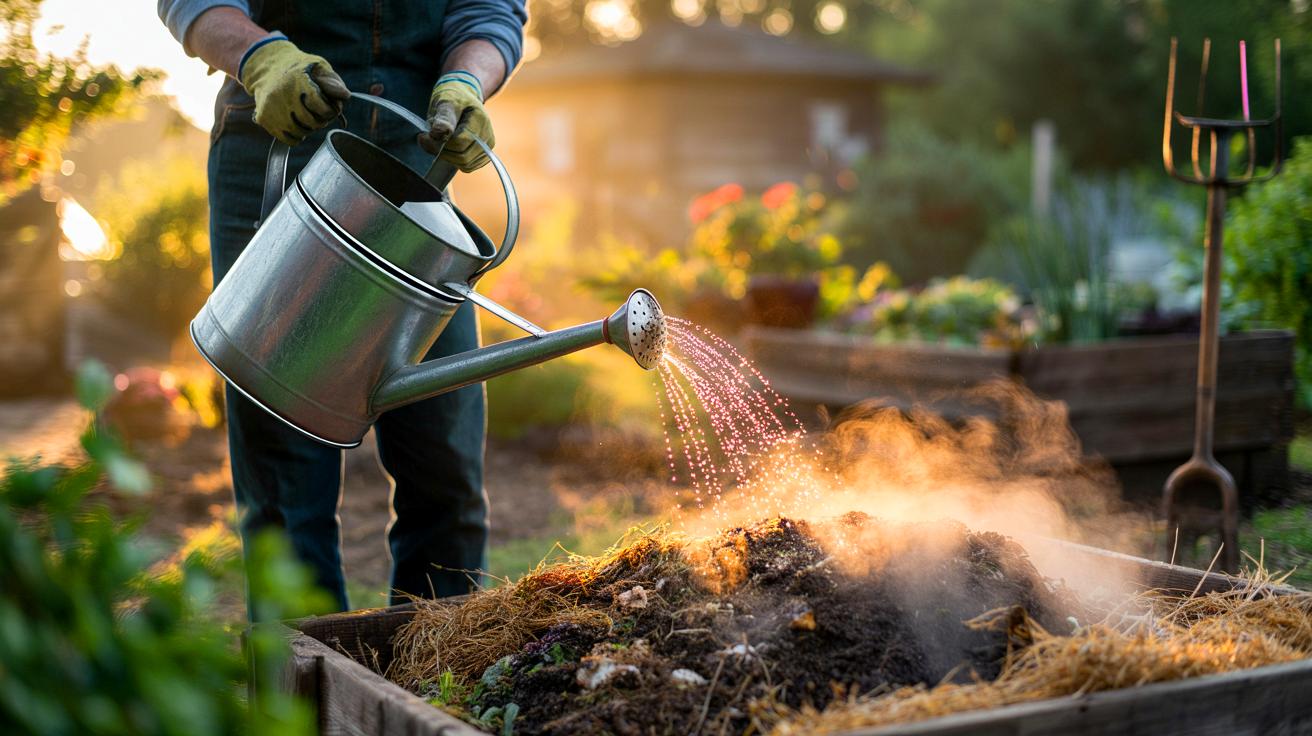
Start with scale. For a backyard bin or 3-by-3-foot pile, gardeners report success with 1–3 tablespoons of diluted molasses per layer, applied no more than once per turn cycle. A practical method: dissolve the sweetener in a watering can, sprinkle lightly as you add materials, then mix thoroughly. Do not pour cups of sugar into a compact, wet pile. That’s a recipe for sticky mats and oxygen starvation.
Watch moisture and airflow. Sugar accelerates breathing, which consumes oxygen and releases heat and water vapor. If the pile reads hot but smells sweet-sour, it’s time to turn. Add coarse browns—shredded stems, straw, even corrugated cardboard—to rebuild texture. Aeration keeps the rush aerobic and efficient. If pests are a concern, cap fresh layers with a dry carbon blanket and avoid sweet additions during peak fly season.
Measure outcomes. Gardeners track temperature with a compost thermometer, note odor changes, and squeeze-test moisture. If sugar use doesn’t raise heat within two days, the pile likely needs more structure or nitrogen, not more sweetness. The mantra holds: sugar is an accelerator, not a substitute for the basics—balanced ingredients, right moisture, and regular turning.
What the Science Suggests—and What It Doesn’t
The broad science aligns with the anecdotes. Heterotrophic microbes metabolize soluble carbon first. Provide simple sugars, and populations bloom, heat rises, CO2 flows, and materials decompose faster—until that sugar is consumed. Studies of compost dynamics and soil microbiology consistently show that labile carbon sparks activity. Gardeners are essentially applying a lab principle with a watering can. Short-term boosts are real; long-term outcomes still depend on feedstock mix and oxygen.
There are limits. Excessive sugar can tilt communities toward yeasts and facultative anaerobes, lower pH, and create sticky zones that repel airflow. Over time, piles overloaded with easy carbon may mineralize nitrogen too quickly or attract pests. The gap between backyard lore and peer-reviewed protocols lies in dosage and context. Still, seasoned composters argue that a light hand—especially with molasses—offers a predictable, useful kick when a pile hits a plateau. It’s pragmatic, inexpensive, and easy to dial back.
Sugar won’t rescue a poorly built compost heap, but it can sharpen one that’s close to right. The trick is restraint, timing, and oxygen. Start small, dilute well, mix thoroughly, and monitor heat and smell. If the pile responds with steady warmth and an earthy aroma, you’re on track. If it sours or stalls, adjust structure before adding more sweetness. In the end, composting is a conversation with microbes, and sugar is just one word in a larger vocabulary. How might you test a careful sugar trial in your own bin and track the difference?
Did you like it?4.5/5 (23)