In a nutshell
- 💆♂️ Boosts growth by improving microcirculation around the dermal papilla and triggering mechanotransduction signals, while stress-relieving minutes may lower cortisol and support the anagen phase.
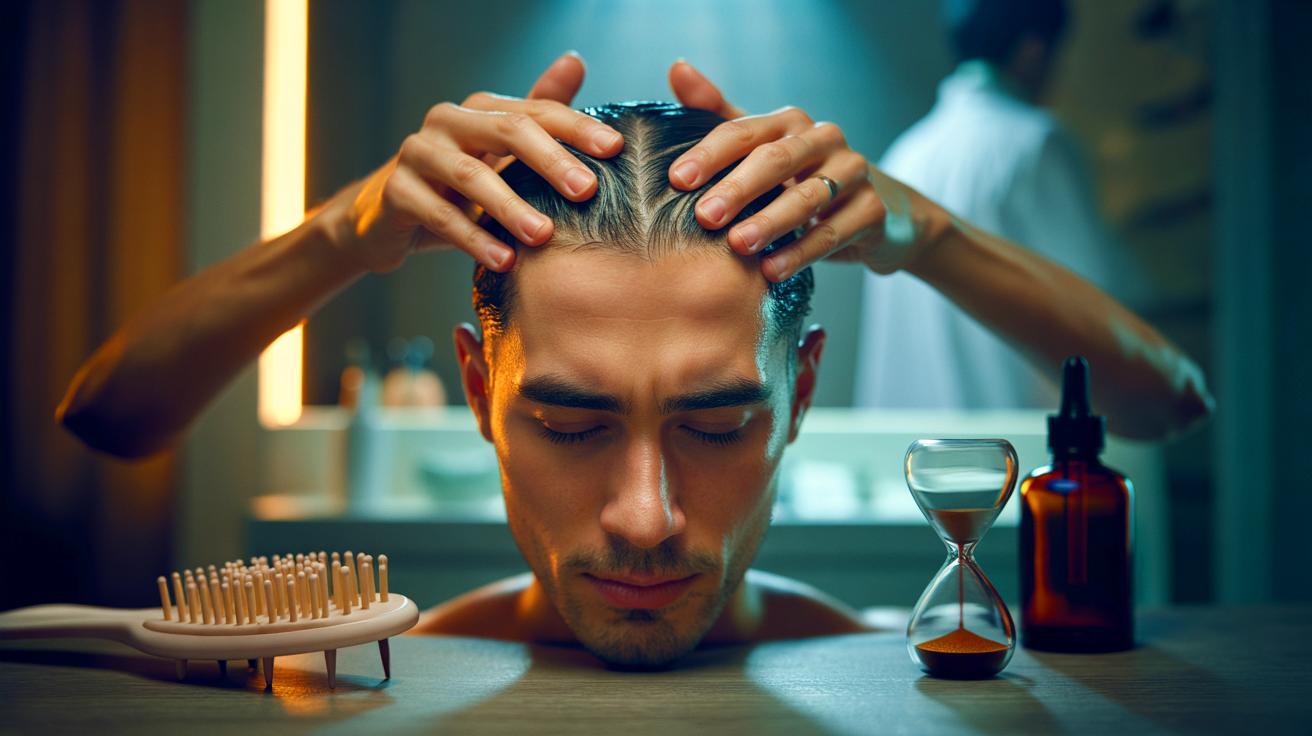
- ⏱️ Do it for 5 minutes daily: use fingertips (not nails), work in quadrants 45–60 seconds each, apply light to moderate pressure, and massage before topicals like minoxidil so you don’t rub them off.
- 🛠️ Keep tools simple: fingertips or a soft silicone brush; stay dry for oily scalps or add a drop of jojoba/argan for slip on dry scalps; pair with deep breathing to enhance relaxation.
- 📈 Set expectations: early comfort changes in ~2 weeks, shedding may improve by 4–8 weeks, and small studies suggest increased hair thickness—think months, not days.
- ⚠️ Use smartly: for androgenetic alopecia it’s an adjunct, not a cure; consult a clinician if you have inflammatory scalp conditions; track progress with same-light photos; it’s a low cost, accessible habit.
Five minutes. That’s all it takes to put a proven hair-health habit to work, say board-certified dermatologists who recommend a simple scalp massage for people noticing thinning, excess shedding, or a tight, stressed scalp. The trick isn’t mystical. It’s mechanical and consistent. By gently mobilizing the skin and connective tissue where hair follicles live, you nudge microcirculation, relieve tension, and encourage a friendlier environment for growth. It’s quick, free, and surprisingly relaxing. Done daily, this mini routine can pair with treatments you may already use, from minoxidil to low-level light devices. And because it’s low risk for most, it’s a rare wellness practice that fits busy mornings and late-night wind-downs alike.
How a Five-Minute Massage Nudges Follicles to Grow
Dermatologists point to two main drivers behind the five-minute scalp massage effect: circulation and mechanotransduction. First, rhythmic pressure boosts microcirculation around the dermal papilla, the growth command center at the base of each hair. More blood flow means better delivery of oxygen and nutrients that support the anagen phase. Second, light stretching of the scalp sends mechanical signals to local cells. That physical cue may shift growth-related pathways in ways that favor thicker strands over time, according to small human studies and laboratory models. Consistency beats intensity. Heavy force can irritate the skin, while steady, moderate pressure mobilizes tissue without harm.
Stress relief matters, too. Elevated cortisol is linked with shedding in some people. Those five mindful minutes act like a mini relaxation drill, lowering sympathetic tone and easing the “helmet-tight” feeling many patients describe. Dermatologists also note improved sebum distribution, which can support barrier function and reduce itch. The upshot: you’re not “forcing” hair to sprout. You’re improving the scalp ecosystem. In clinical reality, that supportive environment—combined with time—can translate into better density and fewer bad hair days. Gentle, daily input; gradual, sustainable results.
A Step-by-Step Routine You Can Keep
Start with clean hands and a dry or lightly damp scalp. Using fingertips—not nails—plant pads at the hairline. Apply small circular motions, moving skin rather than sliding over it. Think of the pressure you’d use to press a smartphone screen, not knead bread. Work in quadrants: front, sides, crown, nape. Spend about 45–60 seconds per zone. That’s your core five minutes. If it hurts, you’re pressing too hard. The goal is mobilization and comfort, not friction and heat.
Timing matters when pairings are involved. If you use minoxidil, dermatologists often advise massaging first, then applying the medication so you don’t rub it off. If you prefer oils, a few drops of jojoba or argan can add glide. Fragrance-free is best for sensitive scalps. Some people trial diluted rosemary oil, but patch-test first; essential oils can irritate. Consider a silicone scalp brush if your fingertips tire—keep pressure light. Anchor the habit to an existing routine: after brushing teeth, post-shower, or while your coffee brews. Five minutes, every day, beats 20 minutes once a week.
Tools, Pressure, and Pairings: What Dermatologists Recommend
Choosing the right tools and sequence makes this habit stick. Fingertips are ideal for control and feedback. Silicone brushes are fine for gentle circular strokes, especially on dense hair. Avoid rigid metal prongs or anything that scratches. If flaking is present, a pre-wash massage with a few drops of lightweight oil can loosen debris; follow with a medicated shampoo if prescribed. For people on active treatments—topical retinoids, ketoconazole, corticosteroids—schedule massage away from application times to limit spread. When in doubt, massage first, treat second.
Pressure should be light to moderate. Dermatologists often cue patients to imagine moving the scalp over the skull by a few millimeters. That’s tissue mobilization, not rubbing hair shafts. Aim for a cadence that’s relaxing but deliberate: slow circles at the temples, then the crown, then the occipital ridge. Over oily scalps, keep it dry; over dry scalps, add a drop of oil for slip. Pairing massage with deep breathing amplifies the stress reduction component, which may indirectly help shedding-prone individuals.
| Element | Recommendation |
|---|---|
| Duration | 5 minutes daily |
| Pressure | Light to moderate; no pain |
| Tools | Fingertips or soft silicone brush |
| Timing | Before topicals; or after they fully dry |
| Goal | Improve microcirculation and tissue mobility |
What Results to Expect—and When
Results vary, but dermatologists generally set realistic timelines. Early changes are tactile. Within two weeks, many people report a “looser” scalp and less itch. By four to eight weeks, shedding may normalize if stress was a driver, and hair can feel fuller at the roots when styled. In small, monthslong studies, standardized scalp massage was associated with increased hair thickness, not overnight length gains. Think months, not days.
For those with androgenetic alopecia, massage is an adjunct, not a standalone cure. It can complement evidence-based therapies—oral finasteride for eligible men, topical minoxidil for many adults, low-level light therapy devices—by improving the scalp environment and adherence (ritual builds routine). People with inflammatory scalp conditions should check with a clinician before starting, particularly during flares. Photographing your hairline and part every month in the same lighting can help you notice subtle progress. The key markers: easier styling, fewer strands on the pillow, more coverage at the crown in photos. Small gains add up when the habit sticks.
Five minutes a day sounds trivial, yet it stacks up—35 minutes a week of targeted care that strengthens a foundation other treatments rely on. The scalp massage habit is accessible, low cost, and compatible with busy lives. It encourages you to pause, breathe, and invest in the overlooked terrain that frames your face. If you decide to try it, set a reminder, keep pressure gentle, and track changes monthly to stay motivated. What would it take for you to commit to a daily five-minute ritual and see what your scalp can do with a little consistency?
Did you like it?4.5/5 (25)