In a nutshell
- 🔬 The science: cotton’s higher friction and absorbency lift the hair cuticle, driving frizz and breakage; smooth, less-absorbent fabrics like silk or quality satin reduce abrasion and moisture loss.
- 🧵 Material match-up: Silk (19–25 momme charmeuse) offers the best glide; Satin is a budget-friendly weave with variable quality; Bamboo Lyocell/Tencel stays cooler; Cotton is affordable but rough on hair.
- 🛍️ Smart shopping: prioritize mulberry silk, charmeuse weave, 19–25 momme, and OEKO-TEX; for satin, feel for a dense, snag-free finish and pick envelope closures to avoid zipper snags.
- 🧺 Easy care: wash in a mesh bag on cold, gentle with pH-balanced detergent; skip softener, line-dry or low tumble, and rotate cases to keep glide and hygiene high.
- 🌙 Routine boosters: sleep with hair fully dry, “pineapple” or twist, use silk scrunchies, and pack a satin case for travel—expect fewer tangles, less static, and longer-lasting styles across hair types.
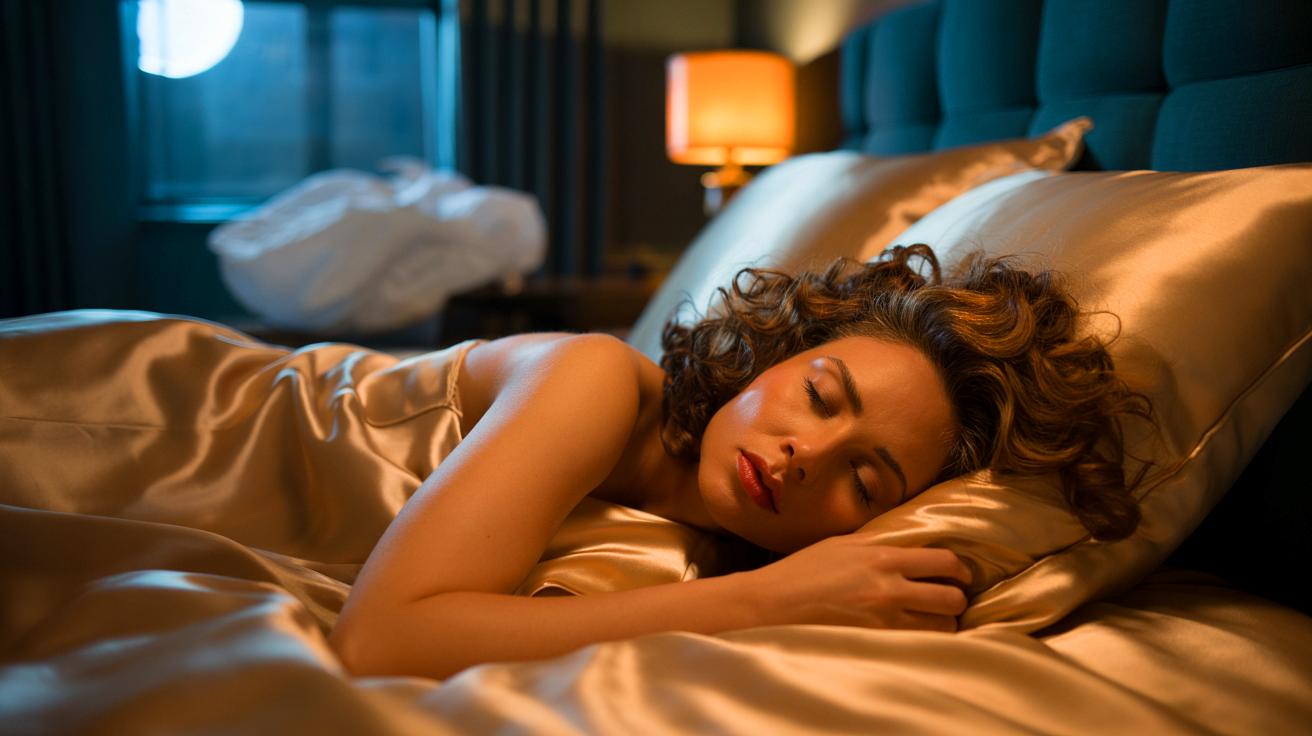
Every night, your pillowcase becomes a tiny battleground for your hair. The wrong fabric drags against strands, lifts the cuticle, and leaves you with halo frizz by sunrise. The right one? It glides. It protects. It keeps moisture where it belongs. Switching your pillowcase can be the single easiest upgrade to prevent overnight frizz and breakage. It’s low effort, high impact, and surprisingly affordable. Whether you wear a silk press, nurture curls, or just want fewer split ends, your fabric choice matters. Here’s how a simple swap—from absorbent cotton to glide-forward silk or satin—can reset your morning routine and your hair’s long-term health.
Why Fabric Matters: The Science Behind Frizz
Hair is sheathed in overlapping plates called the cuticle. When those plates lie flat, light reflects, strands feel smooth, and tangles stay at bay. The villains at night are friction and water loss. Cotton has a higher coefficient of friction and its fibers are slightly rough, so as you toss, they grip hair and lift the cuticle. That raised cuticle catches on neighboring strands, creating knots and micro-snags that turn into breakage over time.
Absorbency adds another hit. Cotton pulls oils and moisture from hair. That dryness makes hair less elastic, so it snaps more easily under stress. For curls and coils, there’s a second mechanism: hygral fatigue. When hair repeatedly swells and shrinks as it loses and reabsorbs water, the cuticle weakens. Glide and moisture retention are the antidotes. Smooth fabrics like silk or well-made satin reduce abrasion during movement and don’t wick hydration away as aggressively, which keeps the cuticle flatter and the ends intact.
Even straight hair benefits. Less static. Fewer pillow creases. Reduced morning detangling. You’ll notice styling lasts longer because the set isn’t roughed up overnight. For color-treated or heat-styled hair that’s already compromised, the protective effect is dramatic—like night guard dentistry for your strands.
Silk vs. Satin vs. Cotton: What to Choose
Let’s decode the options. Silk is a natural protein fiber (think: hair-like) and, in a charmeuse weave, it’s exceptionally smooth on the skin-side. Look for 19–25 momme (a weight measure) for durability without overheating. Satin is a weave, not a fiber. Most “satin” pillowcases are polyester; quality varies widely. Good satin mimics silk’s slip at a lower price and is vegan-friendly, but cheaper versions can trap heat. Newer contenders like bamboo lyocell and Tencel are plant-based, cool, and less absorbent than cotton, though not as frictionless as silk.
| Material | Typical Price | Pros | Cons | Best For |
|---|---|---|---|---|
| Cotton (percale/sateen) | $10–$40 | Breathable, easy care | Higher friction, absorbs oils | Short-term use; not ideal for frizz |
| Silk (19–25 momme charmeuse) | $40–$120 | Lowest friction, moisture-friendly, luxe feel | Price, delicate care | Damage-prone, curly, color-treated hair |
| Poly Satin | $10–$30 | Affordable, smooth glide, vegan | Can run warm, quality varies | Budget protection, teens, travel |
| Bamboo Lyocell/Tencel | $25–$60 | Cool, soft, less absorbent than cotton | Not as slippery as silk | Hot sleepers wanting some glide |
If your goal is maximum cuticle protection, silk wins. But don’t underestimate a well-made satin—especially if you’re not ready to invest. Prioritize a smooth face-side, a tight weave, and solid stitching so the case doesn’t snag. Hot sleeper? Bamboo lyocell is a smart compromise: cooler than polyester, kinder than cotton. All three outperform standard cotton on frizz and breakage.
How to Shop and Care for Your Pillowcase
Labels matter. For silk, look for “mulberry,” “charmeuse,” and a 19–25 momme rating. Lower momme is lighter but can wear faster; above 25 gets weighty and warmer. Verify standards like OEKO-TEX to avoid harsh finishes. For satin, ignore “thread count” and feel the finish—your fingers should glide with a faint, dry slip. Dense, snag-free weaving beats shine alone. Envelope closures prevent zippers from catching hair. Deep cases that fully cover a fluffy pillow protect edges from rubbing your face—and your blowout.
Care is simple, and crucial. Wash inside a mesh bag, cold, on gentle with a pH-balanced detergent. Skip fabric softener; it can leave a film that dulls glide. Line-dry or tumble on low, then cool iron the silk side if needed. Clean fabric is less abrasive and less likely to trigger scalp or skin irritation. Rotate two pillowcases to reduce wear and to keep oils from building up.
Pair the switch with small nighttime tweaks for compounding benefits. Sleep with hair fully dry to prevent swelling. Use a loose pineapple or two-strand twist to minimize tangles. Swap elastic ties for silk scrunchies. If you’re traveling, pack a satin case—it weighs almost nothing and saves your style. These habits don’t replace the pillowcase; they amplify it. Less friction. Less moisture loss. More good hair days.
One change can alter the rest of your routine. Wake up with fewer knots, less static, and ends that look like you just trimmed them last week. A smoother pillow surface means healthier hair over months, not just a better morning. It’s the rare beauty tip that respects both budgets and busy lives. The glide you sleep on writes tomorrow’s hair story. Ready to make the switch—and if you already have, what fabric, weight, or weave gave you the biggest before-and-after?
Did you like it?4.6/5 (20)