In a nutshell
- ✨ A cold water rinse helps the hair cuticle lie flatter, improving light reflection, reducing friction, and preserving a micro-film of natural sebum for visible shine.
- 🧴 Stylists tailor advice by texture and porosity: fine hair needs 15–20 seconds, curls/coils 30–60; color-treated benefits from cooler finishes to minimize fade.
- 🧊 Do it without shock: cleanse lukewarm, condition, then finish cool-to-cold for 10–60 seconds; tilt the head, use a detachable showerhead, blot with microfiber, and apply a lightweight leave-in/serum.
- ⚠️ Know the limits: a cold rinse won’t repair split ends or heat damage; hard water and humidity blunt results—use a clarifying shampoo, heat protectant, and consistent routine.
- ✅ The payoff: an affordable, under-a-minute habit amplifies the shine equation—smoother cuticle + balanced moisture—especially when paired with pH-balanced conditioners and tracked over two weeks.
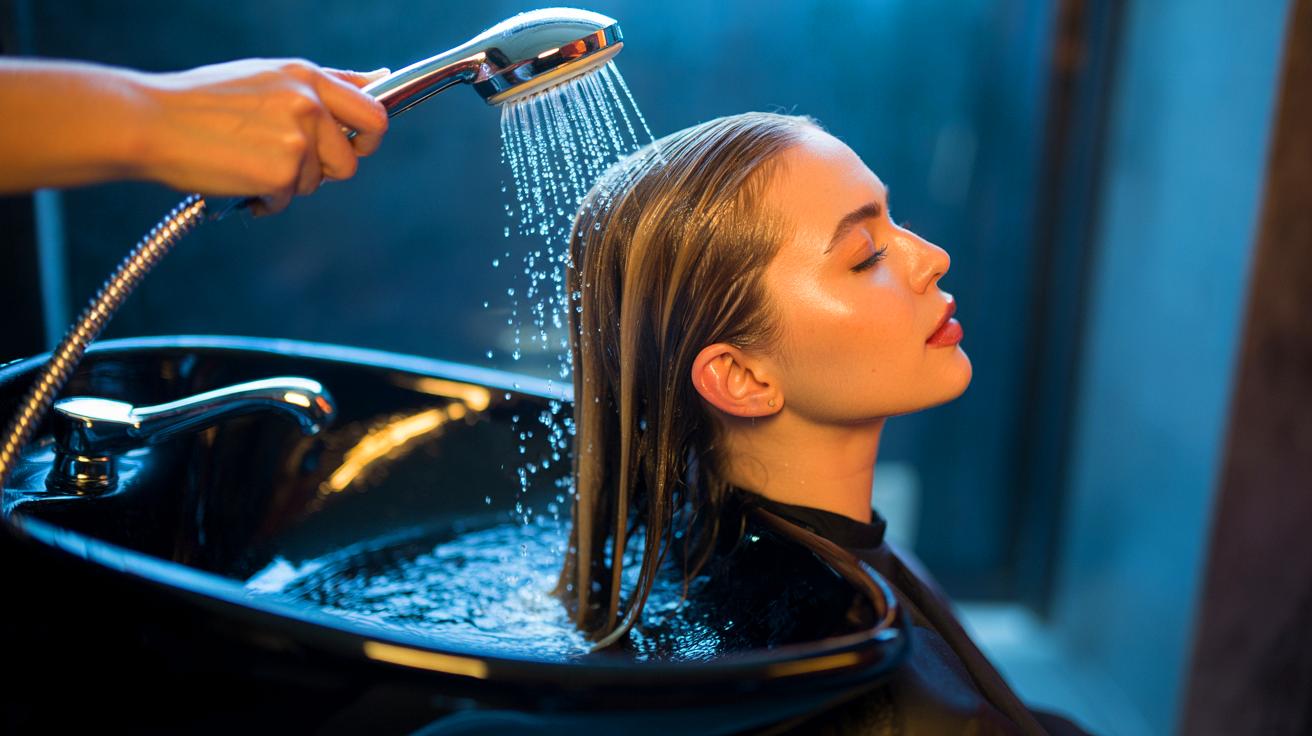
Ask any stylist about a low-effort way to boost gleam, and you’ll hear the same tip: finish with a cold water rinse. It sounds almost too simple. Yet behind that bracing splash lies a neat bit of hair science that directly affects how light bounces off your strands. Cold water can help the outer layer of hair lie flatter, limit frizz, and lock in a touch of your natural sebum—the protective oil that enhances sheen. It’s not a cure-all. It’s a smart habit. Used at the right moment and temperature, a cold rinse helps your hair look smoother, shinier, and more polished—often instantly.
How Cold Water Affects Hair Cuticles
Think of the cuticle—the outermost layer of your hair—as overlapping shingles. Heat, steam, and alkaline formulas (think many shampoos) lift those shingles, creating a rougher surface that scatters light. Cold water does the opposite. It encourages the cuticle to contract slightly and lie flatter, which reduces friction between strands and boosts reflectivity. The result is visible. Flatter cuticles reflect light in a cleaner line, so you perceive more shine. Shine isn’t just about product; it’s about the smoothness of a surface and how it handles light.
Stylists also point to the role of natural oils. Warm water can strip or relocate sebum down the shaft; a cool finish helps keep a micro-film of oil evenly distributed, creating that coveted gloss without greasiness. Another factor: water temperature works in tandem with pH. Acidic conditioners help the cuticle lie flat, and cold water reinforces that effect. Together they reduce swelling, tame flyaways, and help preserve color vibrancy by minimizing dye leaching from a raised cuticle. Simple physics. Real results.
What Stylists Recommend for Different Hair Types
Not every head of hair wants the same chill. Fine, straight hair benefits from a quick cold pass to prevent limpness, while coily textures enjoy a longer rinse to lock in moisture and definition. Color-treated hair usually prefers lukewarm products and a cooler final rinse to minimize fading. High-porosity hair, which soaks up water like a sponge, gains the most from closing that cuticle down. Match the temperature and timing to your texture and porosity for the biggest payoff.
| Hair Type | Cold Rinse Duration | Temperature Cue | Frequency |
|---|---|---|---|
| Fine/Straight | 15–20 seconds | Cool to cold, not icy | Every wash |
| Wavy/Curly | 30–45 seconds | Comfortably cold | Every wash or co-wash |
| Coily/Kinky | 45–60 seconds | Cool to cold, steady flow | Every wash day |
| Color-Treated | 20–30 seconds | Cool, avoid hot water | Every wash |
| High Porosity | 30–60 seconds | Cool to cold | Every wash |
Stylists add one caveat: scalp comfort matters. If you shiver, you’ll rush the process and miss the benefits. Aim for “refreshingly cool,” not glacial. Pair the rinse with a leave-in conditioner or lightweight serum after towel-blotting to seal in moisture and amplify gloss without heaviness.
How to Do a Cold Rinse Without the Shock
Timing is everything. Wash with lukewarm water to effectively cleanse. Apply conditioner and detangle while the cuticle is more open. Then switch to cool for the final rinse, focusing on mid-lengths and ends where shine matters most. Ease into it. Start lukewarm, dial down to cool, finish at cold for 10–30 seconds. The goal isn’t suffering—it’s strategic temperature control that leaves hair smooth, not startled.
Technique helps. Tilt your head back to keep cold water off the face and chest. Use a detachable showerhead to target sections. For long or dense hair, work in two passes to ensure even coverage. Post-shower, blot—don’t rub—with a microfiber towel to prevent frizz. Add a pea-size amount of silicone-free serum or a drop of lightweight silicone (if you tolerate it) to enhance slip and shine. Then air-dry or blow-dry on low with a nozzle to keep cuticles aligned in the direction of growth. Small tweaks. Big payoff.
Limits, Myths, and the Shine Equation
Cold water isn’t a miracle. It won’t repair split ends or replace solid conditioning. It won’t fix heat damage from aggressive styling, either. But it will improve the “optics” of hair by smoothing the surface and helping products perform better. Think of a cold rinse as a force multiplier for the care you already give your hair. If your water is hard, minerals can dull the cuticle; a clarifying shampoo once a week (or a shower filter) can prevent buildup that defeats your shine efforts.
There’s also the climate question. High humidity lifts cuticles and invites frizz; a cold rinse won’t overcome a tropical day without some anti-humidity help. Choose a lightweight heat protectant before styling and finish with a flexible-hold spray to keep alignment. And yes, temperature has limits: ice-cold water isn’t better than cool, especially if it irritates the scalp. Consistency wins. When used alongside balanced pH conditioners and gentle drying habits, cold rinses become the smallest step that makes the most visible difference.
In the end, shiny hair is a simple equation: smoother cuticle plus balanced moisture equals better light reflection. A cold water rinse is the quick, affordable variable you control every wash day. It plays nicely with color, curls, and blowouts, and it takes less than a minute. Used consistently, the effect compounds—more alignment, less frizz, brighter gloss. Ready to test it for yourself? Start with cool, track your results for two weeks, and tweak by hair type and climate—what’s your plan for making that final rinse work for your routine?
Did you like it?4.5/5 (28)