In a nutshell
- 🔥❄️ The real skincare saboteur is water temperature: extremes strip the barrier, trigger redness, and cause rebound oil or dullness.
- 🌡️ Aim for lukewarm (90–98°F) to stabilize the barrier, support effective cleansing, and improve penetration of actives without irritation.
- 🧪 Heat melts barrier lipids and raises TEWL; cold slows enzymes and microcirculation—bad news for turnover, tone, and rosacea-prone skin.
- 🧼 Routine fixes: cleanse 20–30 seconds with consistent mid-range temp, skip “pore-closing” icy rinses, pat dry, then within 60 seconds layer humectants and ceramides/occlusives.
- 👩⚕️ Skin-type tactics: Sensitive—treat heat as a trigger; Oily/Acne—lukewarm post-workout, add salicylic; Dry/Melanin-rich—keep showers warm, moisturize immediately for barrier resilience.
Your skincare routine can be airtight on paper—well-formulated cleanser, targeted serums, diligent sunscreen—yet deliver lackluster results in real life. The culprit is so ordinary that we rarely question it: water temperature. Each time you wash your face or shower, you’re sending a thermal message to your complexion that either stabilizes the barrier or scrambles it. The wrong temperature undermines cleansers, triggers redness, and speeds dehydration. In bathrooms across America, the misstep shows up as tightness after hot showers, or as oil rebounds after ice-cold splashes meant to “close pores.” Here’s the temperature mistake that ruins your skincare—and the simple, science-backed ways to fix it.
The Hidden Temperature Mistake
Most people don’t sabotage their skin with the wrong product, but with the wrong temperature. Extreme heat or cold during cleansing destabilizes the skin’s lipid matrix and confuses its inflammatory response. Hot water feels luxurious. It also melts the intercellular fats that keep the barrier supple and intact, inviting transepidermal water loss and leaving skin tight, reactive, and paradoxically oilier by afternoon as sebaceous glands compensate. On the flip side, an icy splash seems refreshing, yet it can stall microcirculation and slow the enzymes that naturally shed dead cells, dulling tone over time.
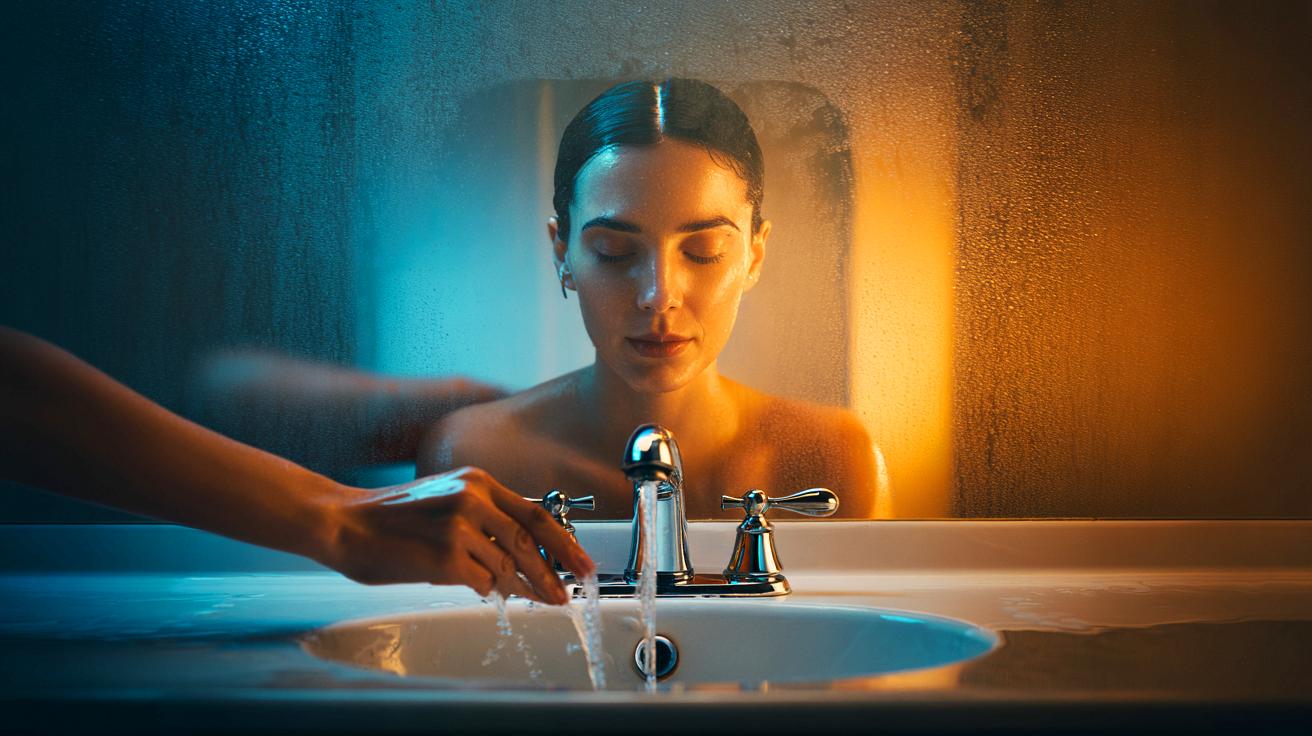
The overlooked sweet spot is unglamorous: lukewarm water. Not tepid to the point of unpleasant, not steamy to the point of fogged mirrors. Think baby-bath warm, roughly 90–98°F. Consistent mid-range temperatures allow your cleanser to work, your barrier to remain coherent, and your post-wash actives to penetrate predictably. Once you calibrate the faucet, tightness fades, redness settles, and that mysterious afternoon shine often eases without adding new products.
The Science of Skin and Temperature
Your skin barrier is a brick-and-mortar system: corneocytes (bricks) embedded in lipids (mortar) made of ceramides, cholesterol, and fatty acids. Heat softens this mortar. When water runs hot, these lipids become more fluid, and surfactants in cleansers can strip them faster. Result: elevated TEWL and micro-inflammation. Cold pulls in the opposite direction, constricting vessels and slowing enzyme activity needed for orderly desquamation. Too cold hinders turnover; too hot accelerates loss. Temperature also nudges oil physics—warmth liquefies sebum, aiding removal, while chill thickens it, which can encourage congestion in the long run if cleansing is incomplete.
Circulation matters, too. Heat dilates capillaries, worsening flushing for rosacea and sensitized skin. Cold can tamp down puffiness briefly, but overuse may blunt delivery of oxygen and nutrients to the epidermis. The right middle range preserves pH, reduces post-wash sting, and keeps actives predictable. That’s why derms talk less about miracle ingredients and more about consistency. Temperature is the quiet variable controlling how your routine lands day after day.
| Water Temp Range | Primary Skin Effect | Best Uses |
|---|---|---|
| Cold (50–70°F) | Vasoconstriction; slower enzyme activity | Brief de-puffing; post-workout cool-down |
| Lukewarm (90–98°F) | Stable barrier; efficient cleansing | Daily face washing; removing SPF/makeup |
| Hot (105°F+) | Lipid melt; increased TEWL; flushing | Avoid for face; limit in showers |
How to Fix Your Cleansing Routine
Start at the tap. Set to lukewarm—comfortable, not steamy. If you own a shower thermometer, aim for 95°F; otherwise, use the wrist test often used for baby bottles. Your cleanser’s surfactants work best when the water helps them glide without melting your lipids. Massage for 20–30 seconds. Don’t rush; speed leads to friction, which compounds thermal stress. Rinse thoroughly, but resist the temptation to chase a squeaky feel. That squeak is stripped skin, not cleanliness.
Double cleansing? Keep phase one (oil or balm) at the same mid-range temperature to liquefy makeup and SPF. For phase two (gentle gel or cream), stay consistent. Skip the popular ice-cold “pore-closing” rinse—pores don’t have muscles. A brief cool splash after rinsing can reduce visible redness, but it should be cool, not frigid, and never replace barrier-respecting water during cleansing. Pat, don’t rub, with a soft towel, leaving a whisper of dampness on the skin.
Seal the window. Within 60 seconds, layer a humectant-rich serum (glycerin, hyaluronic acid) to trap water, then add a ceramide or light occlusive to lock it in. At night, if you enjoy warm showers, wash your face at the sink first with controlled lukewarm water, then step into steam. Protect the face from the hottest water and your barrier stays resilient.
Smart Temperature Strategies for Different Skin Types
Sensitive or rosacea-prone? Treat heat like a trigger. Use strictly lukewarm water for the face, and keep showers short. If flushing hits, a brief cool compress can calm it—think cool cloth for 60 seconds, not ice packs. Consistency beats extremes when your capillaries run reactive. Pair with fragrance-free cleansers and barrier creams. Many report fewer flare-ups within two weeks of temperature discipline alone.
Oily or acne-prone skin benefits from mid-range temps that loosen sebum without kicking glands into overdrive. Lukewarm enables thorough removal of SPF and grime, while preserving the acid mantle that keeps acne bacteria in check. After workouts, avoid scalding showers. Wash the face first at the sink, then shower. Heat-swollen pores plus friction from towels is a breakout recipe. Incorporate salicylic acid two to four times weekly; temperature control helps it penetrate evenly.
Dry or melanin-rich skin thrives when the barrier is protected. Lukewarm water prevents micro-ashiness and post-wash tightness that magnify dullness. Follow immediately with humectants and lipids; consider slugging a few nights weekly if you live in arid climates. For body care, keep baths warm, not hot, and apply lotion within three minutes. Temperature, time, and texture—get those right and your products finally pay dividends.
Your skincare products work only as well as the climate you create for them. Temperatures that coddle the barrier and avoid extremes deliver clearer tone, calmer cheeks, and steadier moisture day after day. Control the tap, and you control a hidden lever of skin health. Swap scalding showers and icy shock rinses for a reliable midline, and watch the rest of your routine click into focus. Ready to test it? For the next two weeks, will you commit to lukewarm cleansing and track how your skin feels morning and night?
Did you like it?4.6/5 (23)