In a nutshell
- 🫁 Athletes use the physiological sigh—a double inhale followed by a long exhale—to rapidly lower anxiety by normalizing CO2 and engaging the body’s calming pathways.
- 📦 Rhythmic patterns like box breathing (4-4-4-4) and cadence breathing (e.g., 4 in, 6 out) act as metronomes that steady focus while keeping reaction speed intact.
- 🧠 Longer, controlled exhales stimulate the parasympathetic nervous system, improve heart rate variability (HRV), and reduce tunnel vision during high-pressure moments.
- ⏱️ A 90-second routine—physiological sighs, then box breathing, then cadence—offers a discreet courtside or sideline reset that reliably restores poise.
- 🗣️ Practical cues—nasal inhales, soft pursed-lip exhales, and a single word on the out-breath—help align breath with intention and make composure a trainable skill.
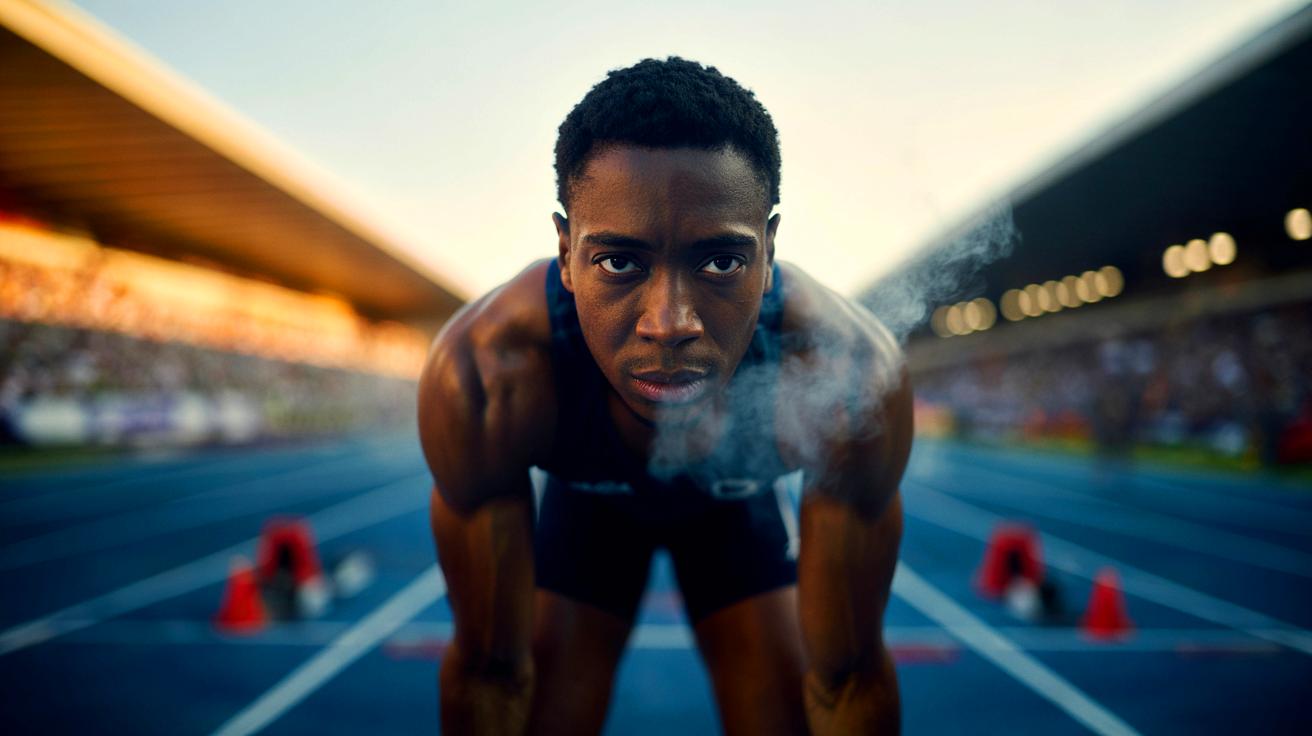
In tense arenas—from the hush of a starting block to the roar before a penalty kick—athletes turn to one simple tool: breathing. Not vague, not mystical. A precise pattern, practiced like a playbook. The aim is to steady the hands, sharpen focus, and keep the moment from swallowing the mind whole. Experts point to a few reliable techniques athletes deploy seconds before action to dampen adrenaline and brighten attention. The most effective share a theme: longer, controlled exhales that cue the body to settle. Breath becomes strategy, a lever on the nervous system, not just air in the lungs. And the results arrive fast.
The Physiological Sigh: Science’s Fast Reset
When time is tight and nerves surge, athletes often use the physiological sigh, a two-part inhale followed by a slow, extended exhale. It works like this: inhale through the nose, then take a short, second sip of air to “top off” the lungs; exhale long through the mouth until empty. That’s one cycle. Two to five cycles, done deliberately, can cut anxiety quickly. It feels almost too simple. It isn’t. The second inhale recruits tiny air sacs called alveoli, improving oxygen exchange while helping purge excess carbon dioxide (CO2), a key driver of stress sensations like chest tightness.
Why it calms: the extended exhale activates the parasympathetic branch of the nervous system via vagal pathways, nudging heart rate downward. As CO2 normalizes, the urge to breathlessly gasp fades. Athletes report clearer vision. Sharper timing. Less shaking. It’s a rapid reset that slots neatly into the last 15 seconds before a serve, a shot, or a vault. Coaches favor it because it’s discreet; on camera it looks like a steady breath, not a ritual. On the inside, though, it’s a switch from panic to presence.
Used correctly, the physiological sigh doesn’t sedate. It trims noise. It lets a sprinter hold the set position without tremor and enables a closer to stare down a 3-2 count without tunnel vision. The technique scales, too—one cycle between points, five cycles during timeouts, a brief refresher before overtime. And because the pattern is bodily driven, it’s dependable on bad days when self-talk goes fuzzy.
Box Breathing and Cadence: Game-Day Metronomes
For slightly longer windows—team huddles, pre-rollout routines, sideline resets—athletes turn to box breathing and cadence breathing. Box breathing runs on equal counts: inhale 4, hold 4, exhale 4, hold 4. It’s rhythmic. Geometric. Think of it as a metronome for your nervous system. The holds constrain over-breathing, while the symmetry fosters a sense of control when the environment feels chaotic. Cadence breathing softens the edges: inhale for 4 to 5 seconds, exhale for 6 to 7, no holds. The slightly longer out-breath is the headline. Longer exhales tilt the autonomic balance toward calm without blunting alertness.
Different sports tailor the counts. A hitter may run 3-3-6 cadence to stay quick. A golfer might stretch to 5-5-7 for steadiness over the ball. The sweet spot is personal; the principle isn’t. Even pacing plus extended exhale equals steadier hands and cleaner decisions. And because these patterns are noninvasive, athletes can run them while listening to a coach or walking to the line. The body gets the message: safe enough to focus, sharp enough to pounce.
| Pattern | Counts | Use Case | Main Effect |
|---|---|---|---|
| Physiological Sigh | Inhale + sip, long exhale | Last 15–30 seconds | Rapid CO2 reset, fast calm |
| Box Breathing | 4-4-4-4 (flexible) | Huddles, pre-play | Rhythm, control, focus |
| Cadence Breathing | 4-6, 5-7, 3-6 | Between points, walk-ups | Parasympathetic tilt, poise |
How It Works in the Body
Performance anxiety is partly chemistry. Rising CO2 levels heighten the feeling of air hunger, push heart rate up, and tighten the chest. The respiratory system talks to the heart through baroreflex and vagal pathways; when you lengthen the exhale, you stimulate vagal tone, which nudges heart rate down and stabilizes blood pressure. That’s not placebo. It’s anatomy. Longer, controlled exhales are a direct line to the braking system of the body. With that braking system engaged, attention widens, reaction time improves, and decision-making recovers from stress-induced tunnel vision.
There’s also the rhythm effect. Even-paced breathing entrains the cardiovascular system, increasing heart rate variability (HRV), a sign of adaptable stress response. When HRV rises, athletes feel less jittery and more ready to move fluidly. Meanwhile, nasal inhalation recruits nitric oxide, improving airflow distribution and potentially easing perceived effort. The physiological sigh adds another layer by reinflating collapsed alveoli and offloading CO2 swiftly, which can lift the suffocation-like feeling that derails composure in tight moments.
Put simply: breath is leverage. Choose rates that the nervous system recognizes as safe, and the body shifts state. Choose a pattern that lengthens the exhale, and the brain is granted a moment to interpret pressure as information rather than threat. This is why breath training shows up in elite locker rooms as consistently as video study.
A 90-Second Pre-Performance Routine
Consider this compact routine used across sports. Step 1 (20 seconds): two to four cycles of the physiological sigh to cut the spike. Step 2 (40 seconds): box breathing at 4-4-4-4, syncing breath with posture—shoulders down, jaw relaxed, gaze steady. Step 3 (30 seconds): cadence breathing at 4 in, 6 out, imagining the exhale sweeping tension from forearms to fingertips. That’s 90 seconds, done quietly on a sideline, tee box, or baseline. It’s quick enough to fit inside real-world timeouts and powerful enough to change state on command.
Two cues keep it crisp. First, breathe through the nose on inhales whenever possible—clearer airflow, better control. Second, make the exhale audibly soft through pursed lips; it extends the out-breath without strain. Layer in a single phrase on the exhale—“smooth,” “now,” or a play call—to align breath with intention. Repeat between points. Use one cycle before each serve or free throw. The routine becomes a bridge from chaos to execution, a ritual that carries from practice cages to the biggest stage.
The beauty of these patterns is their portability. No apps, no gadgets, just a script you can run anywhere—a bus tunnel, a quiet tunnel, the top step of a dugout. Athletes who practice daily find the breath responds faster under lights, the way a muscle fires after repetition. In moments that decide seasons, composure is a skill, not a mood. And skills can be trained. If you had 90 seconds before your biggest shot, how would you pace your breath to make your body believe you’re ready?
Did you like it?4.6/5 (30)