In a nutshell
- ⚡️ A 30-second reset is possible by shifting from the sympathetic to the parasympathetic nervous system, using fast, body-first signals that calm the brainstem and reduce stress chemistry.
- 🫁 The physiological sigh—two nasal inhales followed by one long mouth exhale—rapidly off-loads CO2, boosts vagal tone, and lowers arousal in 20–30 seconds with 2–3 cycles.
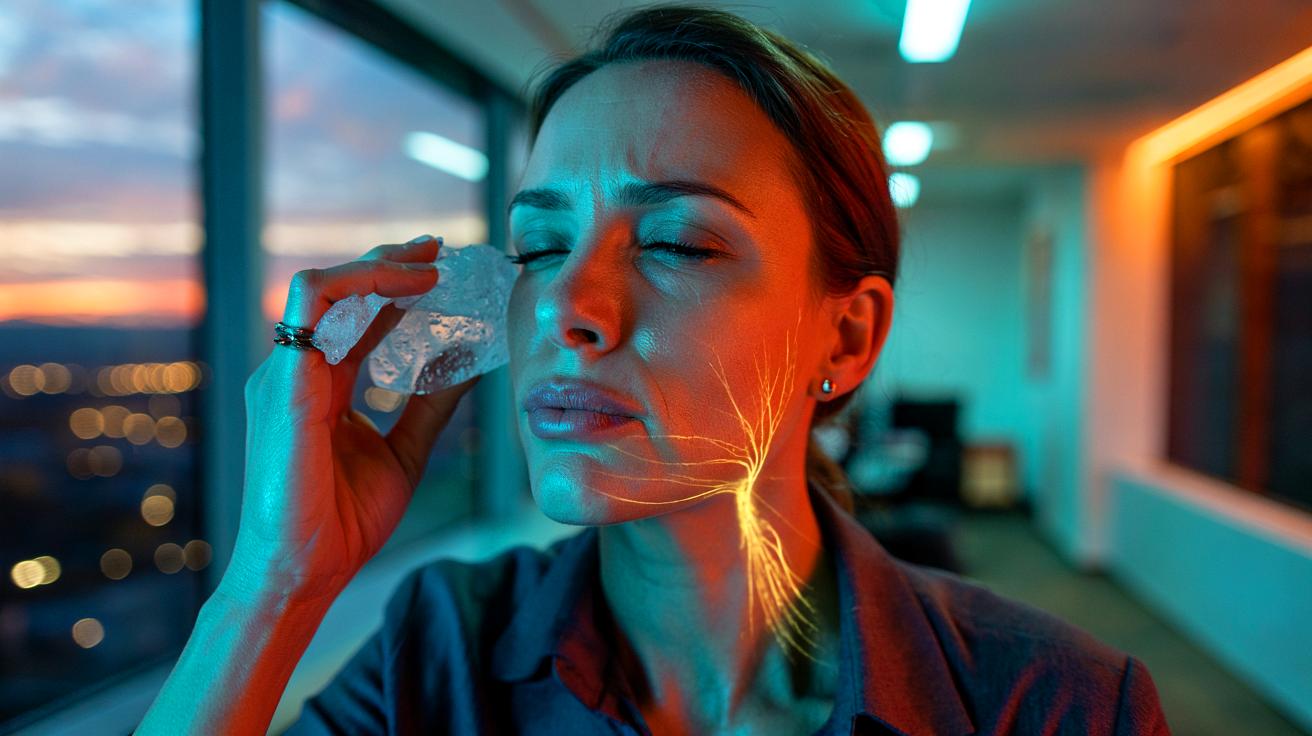
- ❄️ Splashing cool water on the face or applying a cold pack triggers the mammalian dive reflex via the trigeminal nerve, slowing heart rate and easing panic or anger in 15–30 seconds.
- 👀 Pair a long exhale with a shift to panoramic gaze to counter tunnel vision, reduce rumination, and signal safety—stacking two independent pathways for a swift state change.
- 🧭 Keep it practical: choose one technique, practice when calm, then deploy under pressure; these tools build agency fast but don’t replace professional care when needed.
Stress isn’t just a feeling; it’s a full-body reflex that can hijack your focus and decision-making in seconds. The good news: neuroscience has mapped fast, physical levers that can interrupt this cascade and restore control before a meeting, a tough conversation, or the moment your inbox explodes. Think of it as a manual override. In as little as 30 seconds, you can shift your body from red alert to ready. The following techniques aren’t woo. They’re grounded in respiratory physiology, the vagus nerve, and the reflexes that govern arousal. When practiced deliberately, they can become your on-demand reset button—a compact toolkit you can deploy anytime, anywhere.
The Neuroscience of a 30-Second Reset
Stress activates the sympathetic nervous system, priming you to fight, flee, or freeze. Heart rate climbs. Pupils narrow. Breath shortens. At the brain’s center of this surge sits the amygdala, pushing the hypothalamic–pituitary–adrenal (HPA) axis and the locus coeruleus to release stress chemicals like cortisol and norepinephrine. Helpful in danger, unhelpful in a performance review. The way back runs through the parasympathetic brake, largely mediated by the vagus nerve. You don’t need minutes of meditation to tap it. You need a signal the brainstem trusts.
Breath is the fastest lever. Not all breaths are equal. Short, panicked inhales drive CO2 up and trigger chemoreceptors to shout “threat.” Deliberate patterns that off-load carbon dioxide and extend the exhale do the opposite, shifting your state in under half a minute. Cold applied to the face is another reliable route. The mammalian dive reflex—a built-in circuit connecting the trigeminal nerve to the vagus—slows the heart almost instantly. These resets work because they change physiology first, letting the mind catch up.
Vision also steers arousal. Tunnel vision tracks threat; panoramic vision signals safety. A quick shift from narrow, object-locked focus to broad, peripheral awareness feeds the brain “all clear” data. When you pair that with a long exhale, you’re stacking signals the autonomic nervous system cannot ignore.
The Physiological Sigh: Two Inhales, One Long Exhale
Popularized by Stanford neurophysiologists and validated in recent breathing studies, the physiological sigh is a tiny, elegant hack for state control. It consists of a deep inhale through the nose, a second quick “top-off” inhale to fully inflate the lungs and alveoli, then a long, slow exhale through the mouth. That last part matters most. Try 2–3 cycles. It takes about 20–30 seconds and works sitting, standing, or discreetly at your desk.
Why it works: the second inhale pops open collapsed alveoli, improving gas exchange, while the extended exhale dumps excess CO2. This combo lowers the drive to breathe, signals lung stretch receptors and the brainstem that danger has passed, and increases vagal tone. In experiments comparing breath protocols, cyclic sighing was associated with greater reductions in anxiety and improved mood compared with mindfulness alone. It’s a portable parachute when your heart and mind are racing.
How to do it, step by step: Inhale deeply through your nose. Without exhaling, sip a second fast inhale through the nose until your chest expands a bit more. Then exhale slowly through pursed lips, longer than both inhales combined. Pause. Repeat once or twice. Keep shoulders relaxed and jaw loose. If you feel lightheaded, sit down and slow the tempo. For most people, two cycles are enough to reset attention and reduce physiological arousal quickly.
Cold Water to the Face: The Fast Dive Reflex
When cold water hits your cheeks and the bridge of your nose, it trips the trigeminal nerve and activates the dive reflex. Heart rate drops. Blood shunts toward vital organs. The vagus nerve gains the upper hand. This isn’t biohacking bravado; it’s an ancient mammalian program designed for survival. And it’s remarkably fast.
Here’s a 30-second protocol: hold your breath, splash cool-to-cold water on your face, or press a gel-ice pack (wrapped in a thin cloth) across your cheeks and nose for 15–30 seconds. Keep the rest of your body warm. Breathe normally when you release. Most people feel an immediate downshift—like a dimmer switch on urgency. Use this in the bathroom before a presentation or after a high-stakes call.
Mechanistically, cold stimulation sends a high-priority signal through the trigeminal pathway to brainstem centers that govern heart rate and respiration, boosting parasympathetic output. Where it shines: acute spikes—rage, panic, mounting anxiety. Caveats: if you have heart, respiratory, or cold-sensitivity conditions, talk to a clinician first and start milder (cool water, shorter duration). You don’t need an ice bath. Your sink, a chilled compress, and half a minute will do.
Quick Techniques at a Glance
When time is tight, you need clarity. Below is a compact guide to the fastest resets, what to do, and when to use them. These interventions are intentionally simple because, in the storm of stress, complexity fails. Pick one technique, practice it when calm, then deploy it under pressure. Rehearsal builds reliability, and reliability builds confidence.
| Technique | How To | Time | Best Use |
|---|---|---|---|
| Physiological sigh | Inhale, quick top-off inhale, long mouth exhale | 20–30s | Rapid anxiety spike; pre-meeting reset |
| Face cold exposure | Splash or cold pack on cheeks/bridge of nose | 15–30s | Overwhelm, anger, panic |
| Long exhale + panoramic gaze | Soften eyes to peripheral vision while exhaling longer than inhaling | 30s | Rumination, mental gridlock |
For the long exhale + panoramic gaze, stand or sit upright. Inhale gently through the nose for 3–4 seconds. Exhale for 6–8 seconds, lips slightly pursed. While exhaling, shift from object focus to a wide visual field—notice walls, floor, ceiling—without moving your head. Peripheral vision cues safety and reduces “tunnel” threat signaling. Two to four breaths are enough. Add a subtle shoulder drop on each exhale to release neck and jaw tension. This pairing—vision plus breath—stacks two independent pathways into one rapid state shift that feels surprisingly physical, then mental.
None of this replaces therapy or medical care, but it does restore agency in the moments that matter. With a few seconds of breath, a splash of cold, or a softening of the eyes, you can interrupt the body’s alarm and re-enter the conversation with poise. Mastery comes from practice, not intensity. Try one technique twice a day for a week, then deploy it in the wild. When your next surge of stress hits, which 30-second reset will you reach for first—and where will you test it?
Did you like it?4.5/5 (29)
Is the physiological sigh safe for people with mild asthma, or should we modify the exhale length?
Tried the double inhale + long exhale before a Zoom pitch and felt my heart decelerate fast. Bookmarked this—clear, practical, no fluff.
So you’re telling me my face just wants a tiny winter and my lungs want a top-off? Adding ‘splash-and-sigh’ to my morning chaos ritual.
This is gold! I practised the panoraminc gaze on a crowded train and it calmed the mental chatter in seconds. Huge thanks for the step-by-step.
How often should we pratice these drills when calm to make them automatic—daily, or a few sessions a week?
Physiological sighs have been a game-changer during cowork quarrels—two cycles and I can think again. Thank you! 🙂
Used the cold-pack-on-cheeks trick after a heated call; heart rate watch showed a drop within 25s. Wild how fast physiology shifts.
For the long exhale timing, is 4 in / 8 out the target, or should we scale to comfort if lightheadedness pops up?
New rule: before replying to spicy emails, I’m doing a sink splash like a dramatic movie scene. Cheaper than broken keyboards.