In a nutshell
- 🌙 Adopt the Screen Sunset Rule: stop bright, interactive screens 90 minutes before bed or switch to dim, warm, low‑arousal viewing to help reset your circadian rhythm within days.
- 🔵 Understand the biology: blue light hits melanopsin cells, signaling the suprachiasmatic nucleus and delaying melatonin and DLMO; a phone close to your face disrupts more than a distant TV.
- 🗓️ Follow a practical timeline: T–3h <100 lux, T–2h <50 lux, T–90 start the Screen Sunset, T–30 zero screens; pair with a consistent routine and anchor your wake time.
- 🛠️ Use tech and environment tweaks: enable Focus/Do Not Disturb, warm Night Shift modes, dim backlights, red‑tinged lamps <30 lux; remember the “3 Ds”: Distance, Dimness, Dullness (amber glasses help but don’t replace dimming).
- ✅ Expect tangible gains: earlier sleep onset, fewer awakenings, brighter mornings; if you slip, just resume the next night—consistency beats perfection, even when traveling.
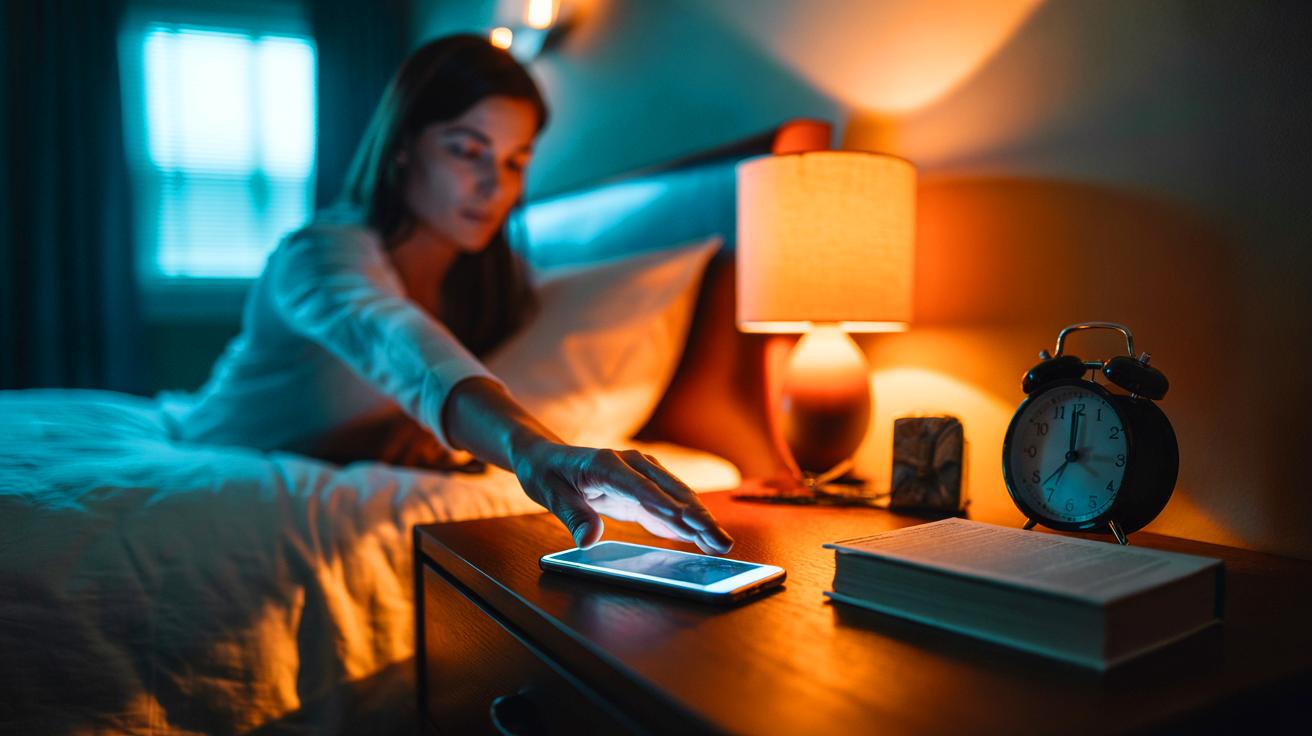
Sleep researchers have a blunt, workable fix for late-night tossing: the evening screen rule. Think of it as a “screen sunset,” a simple routine designed to nudge your internal clock back on schedule after weeks of drift. The idea is easy to say and hard to do. But the science is firm. Light from phones, tablets, and TVs delays the body’s sleep hormone and pushes tomorrow’s wake time later. The rule: stop using bright, interactive screens for 90 minutes before bed, or downgrade to extremely dim, warm, low-arousal viewing only. Applied consistently, this deceptively small behavior can reset your circadian rhythm within days.
What Sleep Scientists Mean by the Screen Sunset Rule
When clinicians talk about a “screen curfew,” they’re not just wagging fingers about TikTok. They mean a specific protocol that reduces retinal exposure to short-wavelength (blue) light and removes cognitively stimulating content in the last 90 minutes of wakefulness. In practice, that means either no screens or strict limits: brightness near the lowest setting, warm color temperature, and content that won’t raise heart rate or rumination. Think a static playlist or a nature doc at low volume, not competitive gaming, doomscrolling, or late-night email.
Why 90 minutes? This window captures the transition into dim light melatonin onset (DLMO), the point your brain’s master clock, the suprachiasmatic nucleus, expects darkness and begins melatonin production. Shift DLMO earlier, and sleep pressure builds sooner; shift it later, and you’ll feel wired. Controlled studies show e-readers and tablets can delay DLMO by up to an hour and reduce melatonin levels meaningfully. The Screen Sunset Rule counters that by reducing photic input and lowering mental arousal, the twin engines that keep you up when you’d rather drift.
How Evening Light Hijacks Your Circadian Rhythm
Your eyes house specialized cells with melanopsin pigments tuned to blue-rich light around 480 nm. These cells report directly to your circadian pacemaker. Evening blue light sends a daylight signal: stay alert, delay melatonin, push sleep later. The effect isn’t trivial. In lab settings, even modest tablet use at typical brightness suppresses melatonin, increases time to fall asleep, and shifts next-day alertness. Even if your eyelids feel heavy, bright screens tell your brain it’s noon. That’s why a single late binge can ripple into a rough morning and a later bedtime the next night.
It isn’t only wavelength. Intensity and duration matter, as does distance from your face. A phone 10 inches from your eyes at 70% brightness hits harder than a TV across the room. Content matters, too. Interactive, emotionally charged, or work-related tasks spike noradrenaline and keep cortical networks humming. The Screen Sunset Rule targets all of it: dimmer, warmer light; fewer minutes; more distance; calmer content. Do this for 7–10 days and the clock re-anchors, moving your sleep window earlier with fewer middle-of-the-night awakenings.
A Practical Nightly Plan You Can Actually Follow
Perfection is impossible on a deadline. Consistency isn’t. Anchor to your target bedtime—say 11:00 p.m.—then count back. At T–90 minutes, initiate your Screen Sunset. That means phones down or in do-not-disturb, laptop lid closed, notifications quiet. If you must use a device, keep brightness near minimum, switch to an amber mode or night shift setting, and hold the screen at least 16–18 inches away. Stick to passive, low-arousal viewing and set a hard stop at lights-out.
| Time (Before Bed) | Light Target | Screen Guidance | What To Do Instead |
|---|---|---|---|
| T–3 hours | < 100 lux; warm | Finish high-stakes work | Plan tomorrow; light dinner |
| T–2 hours | < 50 lux | No complex emails; avoid news | Stretching; a book (paper) |
| T–90 minutes | < 30 lux; amber | Screen Sunset starts | Bath, journaling, calm music |
| T–30 minutes | Very dim | Zero screens | Lights out routine |
Small wins compound. Pair the Screen Sunset with a warm shower, a five-minute tidy-up, and a short novel chapter. Keep the sequence in the same order nightly to create cue-dependent drowsiness. If your bedtime has drifted, hold the wake time steady and apply the rule; within a week, sleep pressure catches up and the earlier window returns.
Tech Tweaks and Behavioral Tricks That Make It Stick
Automate your environment to make the healthy choice the default. Set your phone to shift into Focus and warm color temperature at the same time nightly. Use red-tinged bedside lamps under 30 lux. Enable app limits for social platforms, and schedule your email client to snooze. If television is non-negotiable, dim the backlight, sit farther away, and enable a warm picture mode. Distance, dimness, and dullness are your three Ds. Some people add amber-tinted glasses that block a high percentage of blue; they help, but they do not replace dimming and curfew.
On tough nights, swap stimulation for ritual: a breath practice (4-7-8), a short body scan, or pen-and-paper worry time. Keep a “next steps” list on your nightstand so stray thoughts have a landing pad. If you slip, resume the next evening; one miss won’t erase progress. Travelers can keep the rule by using e-ink readers, switching hotel lamps off in favor of a small amber night light, and keeping wake time anchored. The payoff isn’t abstract. People report earlier sleep onset, fewer nighttime awakenings, and brighter mornings within days.
Here’s the promise of the Screen Sunset Rule: by controlling what your eyes see, you re-teach your brain when night begins. It’s simple, not easy. Yet it works because it maps onto how human clocks evolved—dark nights, calm minds, reliable routines. Give yourself seven nights and guard the 90-minute window like an appointment. Notice whether your eyelids grow heavy earlier, whether mornings feel less punishing, whether cravings for late-night scrolls fade. If you tried this for a week, what would you change in your evening to make the reset truly stick?
Did you like it?4.5/5 (26)